From Mecca's red line to the 'Gate of Tears': How US-Iran war is closing in on MBS
Source Entity
ABHISHEK MISHRA
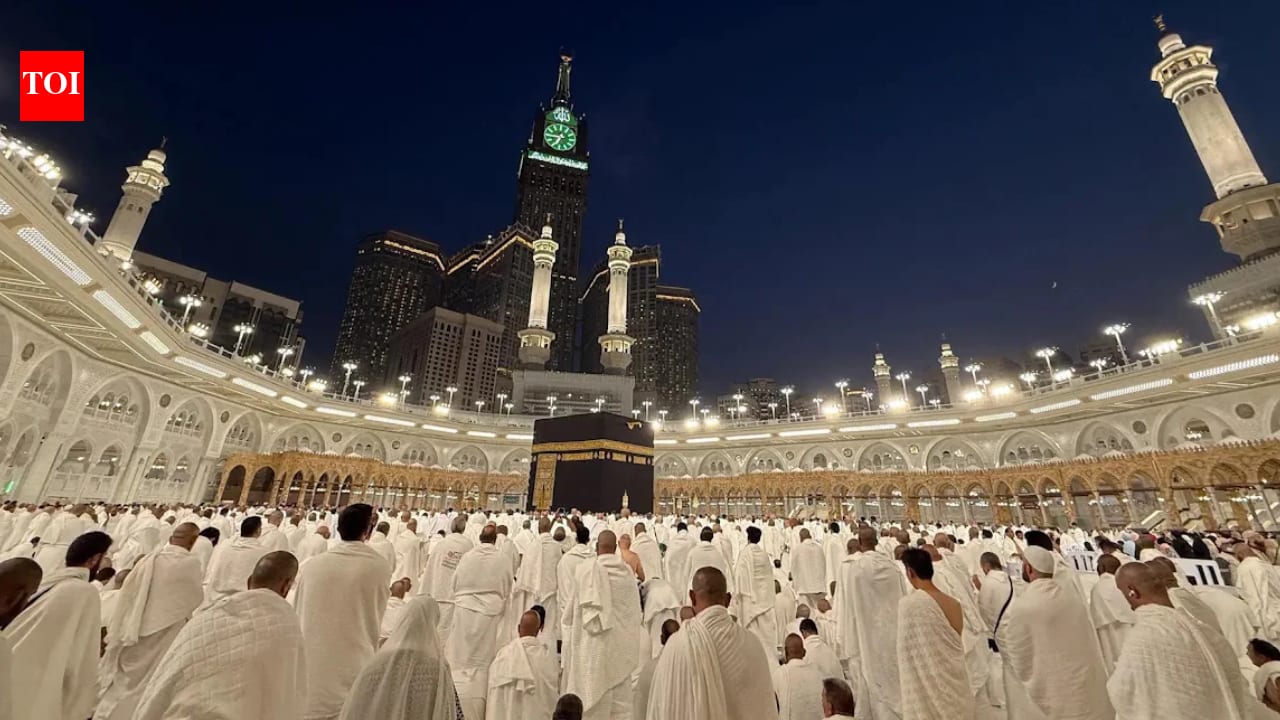
Saudi Arabia claims to have intercepted a Houthi drone targeting Mecca, a move the coalition labels a violation of a 'red line.' The Houthi militia has denied the accusation, asserting that their military operations are strictly limited to Saudi infrastructure.
The Escalation of Conflict: Mecca and the 'Red Line' Doctrine
Recent reports indicate a significant escalation in the ongoing regional conflict, with Saudi Arabia claiming that its air defenses successfully intercepted a drone launched by Houthi forces near the holy city of Mecca. This development marks a potentially volatile shift in the tactical landscape of the Saudi-Houthi conflict, which has been ongoing since 2015. By framing the security of Islam’s holiest site as a 'red line,' the Saudi-led coalition is signaling that any perceived threat to religious landmarks will be met with severe, retaliatory military force.
The Nature of the Allegations
The Saudi coalition, through spokesperson Turki al-Malki, asserted that the drone was destroyed before it could penetrate the prohibited airspace surrounding Mecca. The significance of this event cannot be overstated, as Mecca serves as the focal point for the annual Hajj pilgrimage and holds profound spiritual importance for the global Muslim community. The Organization of Islamic Cooperation has already moved to condemn the alleged strike, labeling it a 'heinous' act, which underscores the high diplomatic stakes involved in these accusations.
Houthi Denials and Strategic Objectives
In direct opposition to the Saudi narrative, the Iran-backed Houthi militia has categorically rejected the claims, dismissing them as an 'worn-out lie.' The group maintains that their military strategy is focused exclusively on Saudi military bases and oil facilities rather than religious or civilian centers. This denial reveals the deep-seated propaganda war that parallels the physical conflict, where both sides utilize information operations to influence regional and international public opinion regarding the legitimacy of their military targets.
Regional Instability and Broader Context
While the situation in Mecca remains a focal point of tension, it exists within a broader, deteriorating security environment. Reports from the Strait of Hormuz highlight that the regional conflict has expanded well beyond the Saudi-Houthi sphere. With negotiations between the U.S. and Iran currently stalled following the outbreak of wider hostilities in February 2026, the potential for miscalculation remains dangerously high. The intersection of these local skirmishes and larger geopolitical maritime tensions creates a complex, multi-front crisis.
Future Trends and Diplomatic Implications
Looking ahead, the 'red line' doctrine articulated by the Saudi coalition suggests that the rules of engagement are narrowing. If such incidents continue, the coalition may feel compelled to intensify their aerial operations, potentially leading to a broader regional conflagration. The hardening of rhetoric from both the Saudi government and the Houthi leadership suggests that diplomatic pathways to de-escalation are currently blocked, with both parties prioritizing military posturing over mediation. As the conflict reaches closer to the heart of Saudi religious centers, the international community faces the challenge of preventing a localized aerial incident from spiraling into a systemic collapse of regional stability.
Multiple Citing Sources