'Paper Agreement With Turkey, Pak Will Not Bring You Security': Iran To Saudi
Source Entity
NDTV News Search Records Found 1000
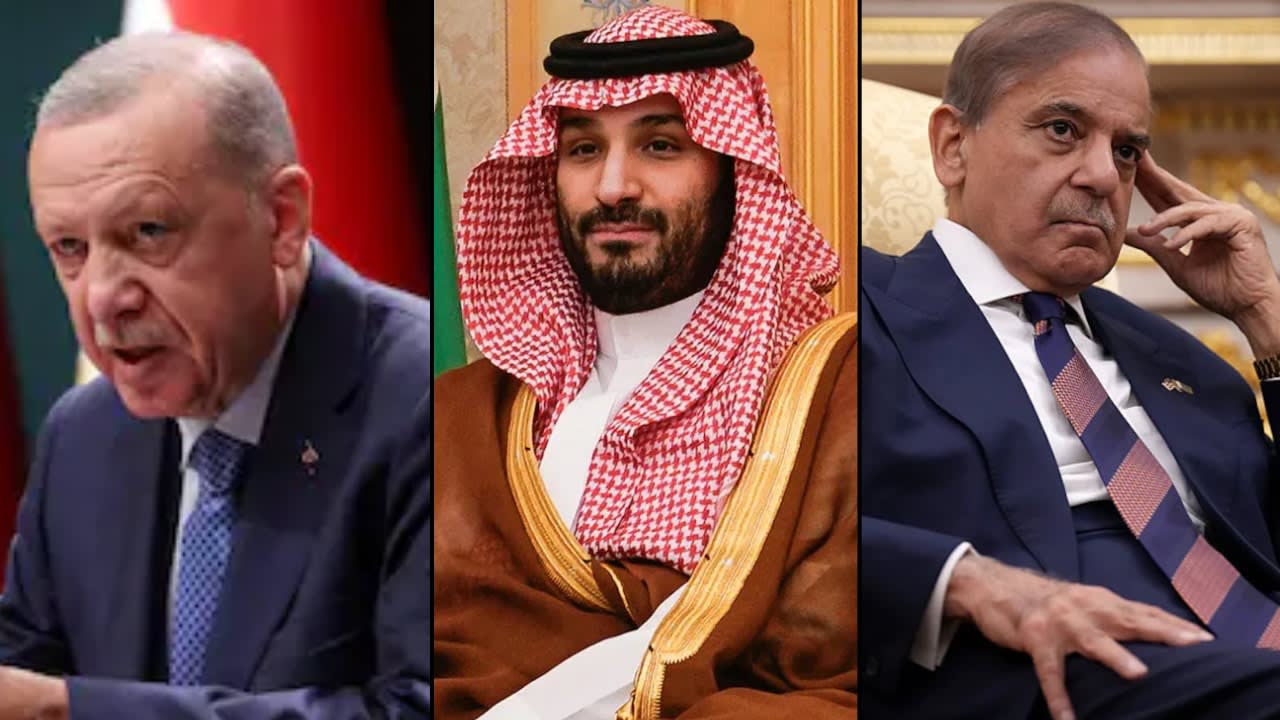
Saudi Arabia, Turkey, and Pakistan have signed a trilateral defence pact in Jeddah to bolster regional security. The move has drawn sharp criticism from Iranian officials, who argue that such alliances fail to provide genuine security.
The Jeddah Trilateral Defence Pact: A New Security Paradigm
In a significant development for West Asian geopolitics, Saudi Arabia, Turkey, and Pakistan have officially signed a trilateral defence agreement in Jeddah. This pact, formalized following a summit attended by Saudi Crown Prince Mohammed bin Salman, Turkish President Recep Tayyip Erdogan, and Pakistani Prime Minister Shehbaz Sharif, marks a strategic realignment in a region already grappling with profound instability. The leaders, who convened after performing the Umrah pilgrimage, characterized the agreement as a manifestation of longstanding historical ties and enduring bonds of brotherhood.
Strategic Synergies and Collective Security
Each signatory brings distinct strategic strengths to this alliance. Saudi Arabia contributes significant economic and regional influence, Turkey provides advanced military industrial capabilities and NATO-aligned tactical experience, and Pakistan offers a substantial military force and deep regional intelligence networks. By pooling these resources, the three nations aim to create a collective security framework that acts as a hedge against the volatile security climate currently permeating West Asia.
The Iranian Perspective and Regional Friction
Predictably, the agreement has been met with skepticism from Tehran. An Iranian Member of Parliament has publicly dismissed the efficacy of the pact, suggesting that agreements with external actors like Turkey and Pakistan will not yield true security for Riyadh. The Iranian stance posits that Saudi Arabia’s quest for safety through military pacts is misplaced, arguing that the Kingdom would be better served by reforming its internal and regional policies rather than seeking external security guarantees.
Historical Context and Diplomatic Rifts
This trilateral alignment highlights the deepening divide between the bloc led by the Gulf states and the influence of Iran. The rhetoric from Tehran—suggesting that Saudi Arabia is 'begging' for security—underscores the intense ideological and strategic competition that defines the current West Asian landscape. For decades, these nations have navigated a complex web of alliances, but this specific pact suggests a move toward formalizing military cooperation to address shared threats, which Iran views as a direct challenge to its regional interests.
Future Implications for West Asian Stability
The signing of the 'Mecca' pact is likely to alter the regional power balance, forcing neighboring states to recalibrate their diplomatic strategies. As the conflict in the region persists, the solidification of this trilateral block may lead to increased military exercises and intelligence sharing, potentially escalating tensions with Iran. The long-term success of this agreement will depend on the signatories' ability to maintain cohesion despite their sometimes-divergent foreign policy priorities. The international community will be closely watching to see if this pact serves as a stabilizing force or a catalyst for further regional friction.
Verification Required?