Trump teased an Iran deal that didn't come, but markets soared. Here’s why it keeps happening
Source Entity
US Top News and Analysis
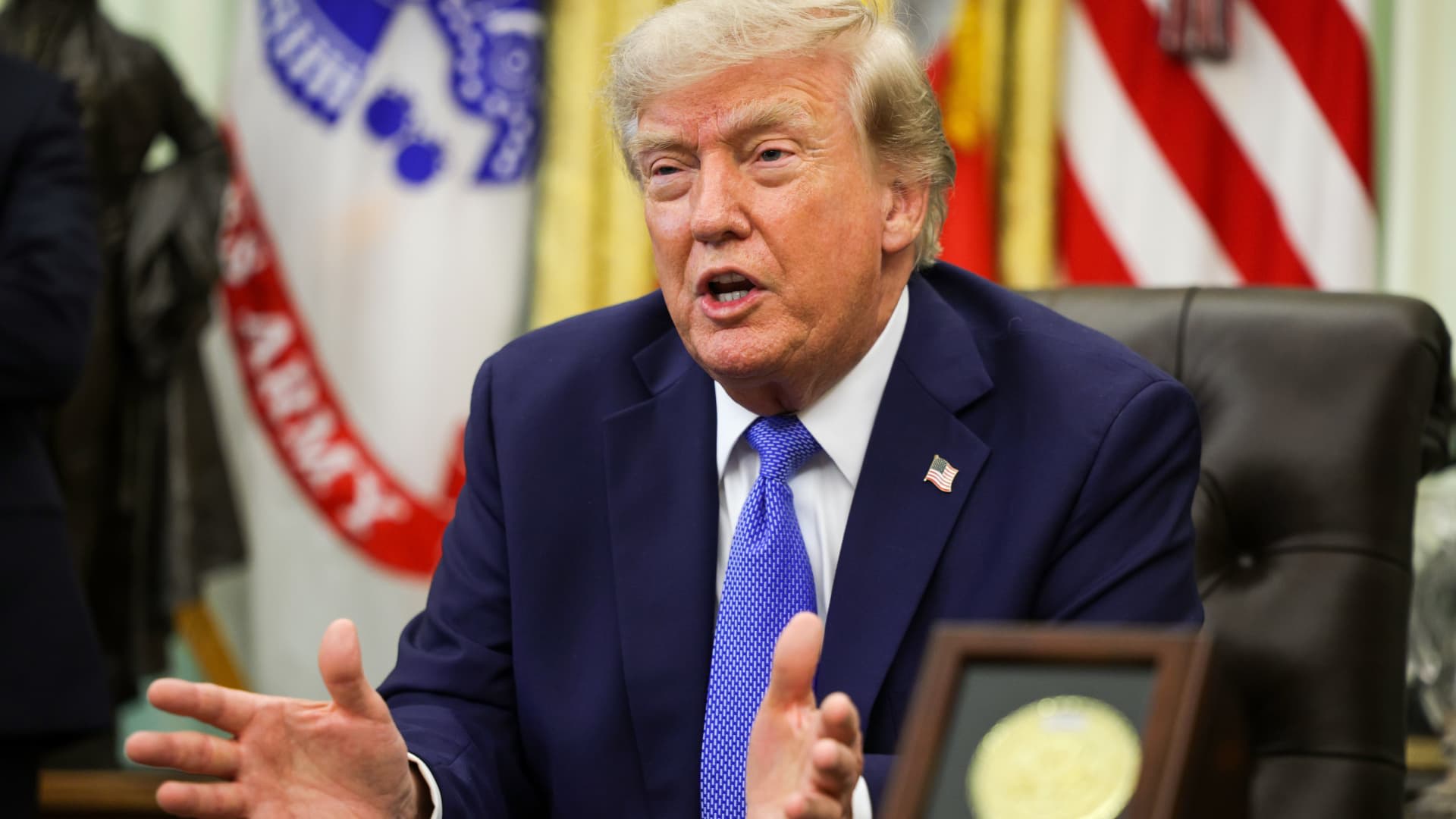
Markets continue to rally on unverified claims of a potential U.S.-Iran deal despite no tangible progress. Analysts warn that this cycle of optimism is increasingly disconnected from the reality of a widening conflict and dwindling resources.
The Cycle of Speculative Optimism: Assessing the U.S.-Iran Market Dynamic
Recent market behavior has highlighted a recurring phenomenon in the U.S.-Iran conflict: the tendency for investors to respond aggressively to signals of diplomatic progress, even when those signals fail to materialize into substantive policy shifts. Despite President Donald Trump’s repeated assertions that a deal regarding the Strait of Hormuz is imminent, these claims have consistently been followed by a lack of concrete diplomatic results. This cycle suggests that financial markets are currently driven more by the hope of de-escalation than by the geopolitical realities on the ground.
The Disconnect Between Rhetoric and Reality
The fundamental issue at play is a widening gap between administrative messaging and the actual status of the conflict. While the Trump administration has framed the situation as being on the verge of a breakthrough, the war has now persisted for over five months with no clear signs of a ceasefire. Furthermore, the objective of containing Iran's nuclear ambitions remains at a standstill, contradicting the narrative of progress that often triggers market rallies. Investors, eager for stability in the energy sector, appear to be pricing in a resolution that has yet to be negotiated.
Strategic Resource Constraints
Beyond the diplomatic impasse, there are growing concerns regarding the physical sustainability of the current conflict. Reports indicate that both oil reserves and munitions stockpiles are dwindling, raising questions about the long-term viability of the status quo. If the administration continues to dangle the prospect of a deal to pacify markets without executing one, the eventual depletion of these critical resources could force a market correction that is far more volatile than the recent surges.
Market Volatility and Investor Sentiment
Financial markets rely on predictability, and the current administration's strategy of using diplomatic rhetoric as a tool for economic management has created a feedback loop of volatility. Every time a potential deal is teased, oil prices drop and stocks rise, providing a temporary cushion for the economy. However, as these claims prove hollow, the credibility of such announcements is likely to erode, potentially leading to a 'boy who cried wolf' scenario where future, genuine diplomatic overtures might be ignored or met with skepticism.
Future Implications and Outlook
Looking ahead, the sustainability of this market trend is highly questionable. Should the war continue to widen and resources continue to dwindle, the pressure on the Trump administration to move beyond rhetoric will intensify. If no substantive agreement is reached to secure the Strait of Hormuz, the reliance on speculative surges will likely fail, leaving markets vulnerable to the underlying geopolitical instability that the administration has yet to resolve.