Pakistan, Turkey reaffirm Mecca commitment as Houthis renew attacks on Saudi Arabia
Source Entity
Latest News: Todays Latest News Headlines from India & World | Hindustan Times | Hindustan Times
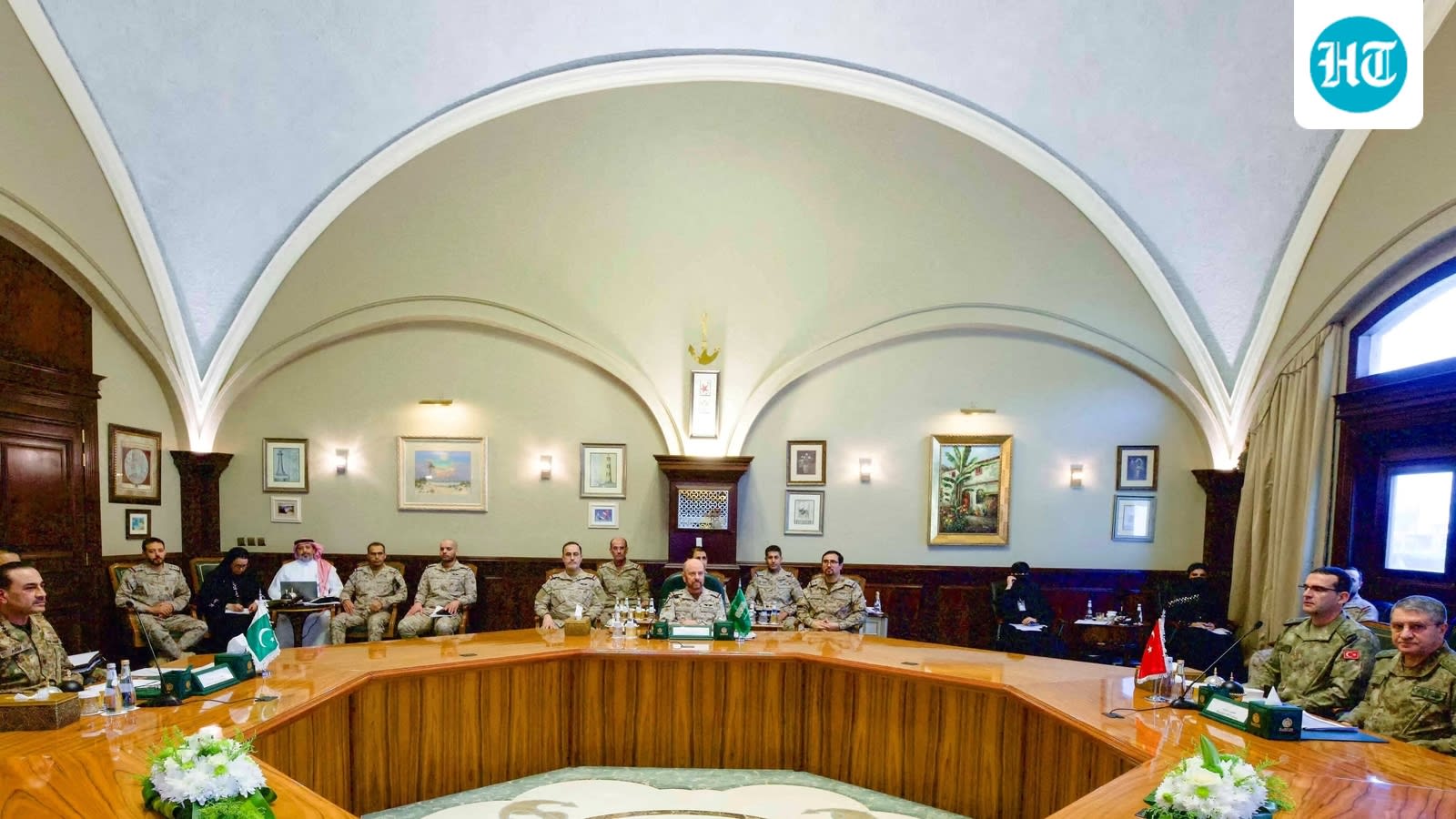
Saudi Arabia, Turkey, and Pakistan have convened a high-level military meeting in Riyadh to operationalize the 'Mecca Pact' defense agreement. The coalition aims to bolster collective security and integrate military capabilities in response to intensified Houthi attacks on Saudi territory.
The Mecca Pact: A New Trilateral Defense Architecture
The recent high-level meetings in Riyadh involving the military chiefs of Saudi Arabia, Turkey, and Pakistan signal a significant shift in regional security dynamics. Following the formalization of the 'Mecca Pact' on August 7, these nations have moved quickly to translate diplomatic commitments into actionable defense strategies. The urgency of this gathering, spurred by persistent Houthi attacks, underscores a growing consensus among these powers that the current regional threat environment requires a unified, multi-national response.
Operationalizing Collective Security
At the core of the Riyadh summit—attended by Turkish Chief of General Staff General Selcuk Bayraktaroglu, Saudi Chief of General Staff General Fayyadh bin Hamed Al-Ruwaili, and Pakistani Chief of Army Staff Field Marshal Asim Munir—was the practical application of the Mecca Pact. By focusing on intelligence sharing, military coordination, and capability integration, the signatories are moving beyond symbolic gestures. This trilateral framework effectively pools the resources of a major Gulf power, a NATO-member military, and a nuclear-armed South Asian state to create a robust deterrent against external aggression.
Strategic Implications of the Houthi Threat
The Houthi movement’s continued targeting of Saudi Arabia, particularly threats directed toward the holy city of Mecca, has necessitated a more aggressive posture from the Kingdom. Saudi authorities have signaled a heightened state of readiness, with troops instructed to be prepared for intense combat operations. This escalation has prompted Turkey and Pakistan to fulfill their obligations under the pact, reflecting a broader geopolitical alignment where regional stability is viewed as a prerequisite for national security.
Diplomatic Foundations and Future Coordination
The momentum for this military coordination was built during high-level discussions in New York, where the foreign ministers of the three nations—Prince Faisal bin Farhan, Hakan Fidan, and Mohammad Ishaq Dar—first reviewed the security situation. This diplomatic groundwork facilitated the subsequent military-to-military dialogue in Riyadh. The seamless transition from ministerial talks to strategic military planning highlights the high level of trust and shared strategic interests currently defining the Saudi-Turkey-Pakistan relationship.
Analyzing Regional Trends
Looking ahead, the Mecca Pact likely represents the beginning of a more formal security bloc in the Middle East and South Asia. By integrating their defense apparatuses, these nations are attempting to create a 'burden-sharing' model that reduces reliance on traditional Western security umbrellas. If the coordination in Riyadh leads to sustained joint operations or standardized military protocols, it could significantly alter the balance of power in the region, effectively neutralizing the asymmetric threats posed by non-state actors like the Houthi rebels.
Conclusion
The activation of the Mecca Pact serves as a clear warning to regional adversaries that Saudi Arabia is no longer acting in isolation. With the combined military weight of Turkey and Pakistan supporting the Kingdom’s defense, the trilateral alliance is poised to play a decisive role in regional security. The success of this pact will ultimately depend on the signatories' ability to maintain this level of operational synergy in the face of ongoing geopolitical volatility.
Multiple Citing Sources
Verification Required?