'Can Standard 6 be spared 3-language plan this year?' asks SC
Source Entity
DHANANJAY MAHAPATRA
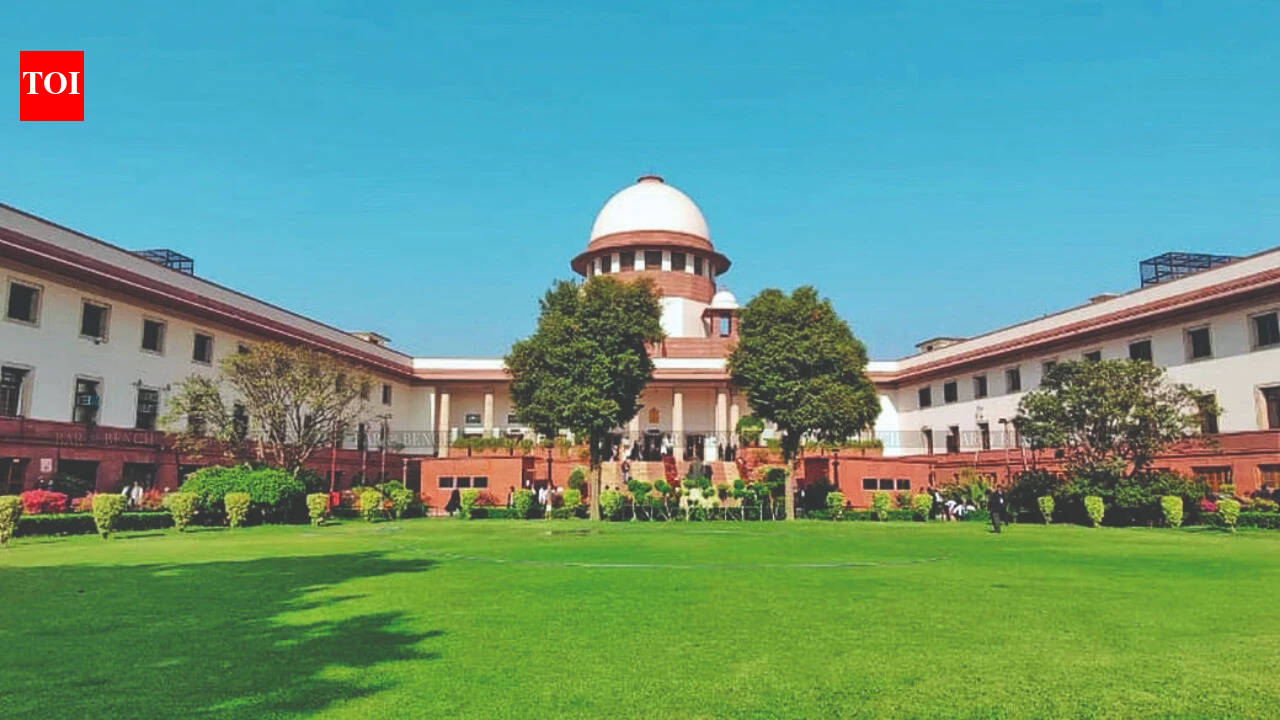
The Supreme Court has asked the CBSE to consider a one-year reprieve for Class 6 students regarding the three-language policy. The bench also initiated a debate on whether English should be categorized as an indigenous language within the Indian educational framework.
The Supreme Court's Intervention on the Three-Language Policy
The Supreme Court of India has recently intervened in the implementation of the three-language policy under the National Education Policy (NEP), specifically addressing the concerns of Class 6 students enrolled in CBSE-affiliated schools. A three-judge bench, presided over by Chief Justice of India Surya Kant, has urged the Central Board of Secondary Education (CBSE) to consider a one-time reprieve, delaying the mandatory introduction of a third language for current students to the following academic year.
Addressing Infrastructure and Resource Gaps
A primary driver for this judicial intervention is the significant concern regarding the readiness of the educational ecosystem. The court has explicitly sought a roadmap from the CBSE concerning teacher availability, course material, and general infrastructure. The bench noted that without adequate resources, the implementation of such a major pedagogical shift could prove detrimental to students, potentially burdening them with mandatory board examinations in a third language without the necessary instructional support.
The Philosophical Debate: Is English Indigenous?
Perhaps the most significant aspect of the proceedings is the court's inquiry into the status of the English language. The bench raised a fundamental question regarding whether it is accurate to categorize English as a 'non-indigenous' language. Given its deep-rooted presence in the Indian socio-political and educational landscape, the Chief Justice suggested that the constitutionality of labeling English as a foreign language within the NEP framework warrants a deeper judicial examination.
Protecting Existing Educational Combinations
The court also expressed concern over the continuity of current academic paths. By advocating for a transition period, the judiciary aims to protect existing foreign-language combinations that students are already pursuing. This protective stance ensures that students are not forced to abandon their current linguistic studies in a way that would disrupt their academic progress or disadvantage them in future board examinations.
Evaluating Implementation Timelines
Beyond the immediate reprieve for Class 6, the Supreme Court has challenged the CBSE to evaluate the broader implementation strategy. The court has questioned whether the third language should be introduced as late as Class 6 or if a more gradual integration starting from Class 3 or 4 would be more pedagogically sound. This request for a comprehensive roadmap underscores the court's desire to see a more structured and evidence-based approach to educational reform in India.
Conclusion and Future Implications
The ongoing deliberations reflect a critical tension between the aspirational goals of the National Education Policy and the practical realities of the classroom. By prioritizing infrastructure and questioning the linguistic classifications of the policy, the Supreme Court is ensuring that administrative mandates do not override the fundamental interests of students. The outcome of these proceedings will likely set a significant precedent for how linguistic policies are rolled out in the future, emphasizing that institutional readiness must precede mandatory curriculum changes.
Multiple Citing Sources