Demand for degree apprenticeships in England quadruples in three years
Source Entity
BBC News
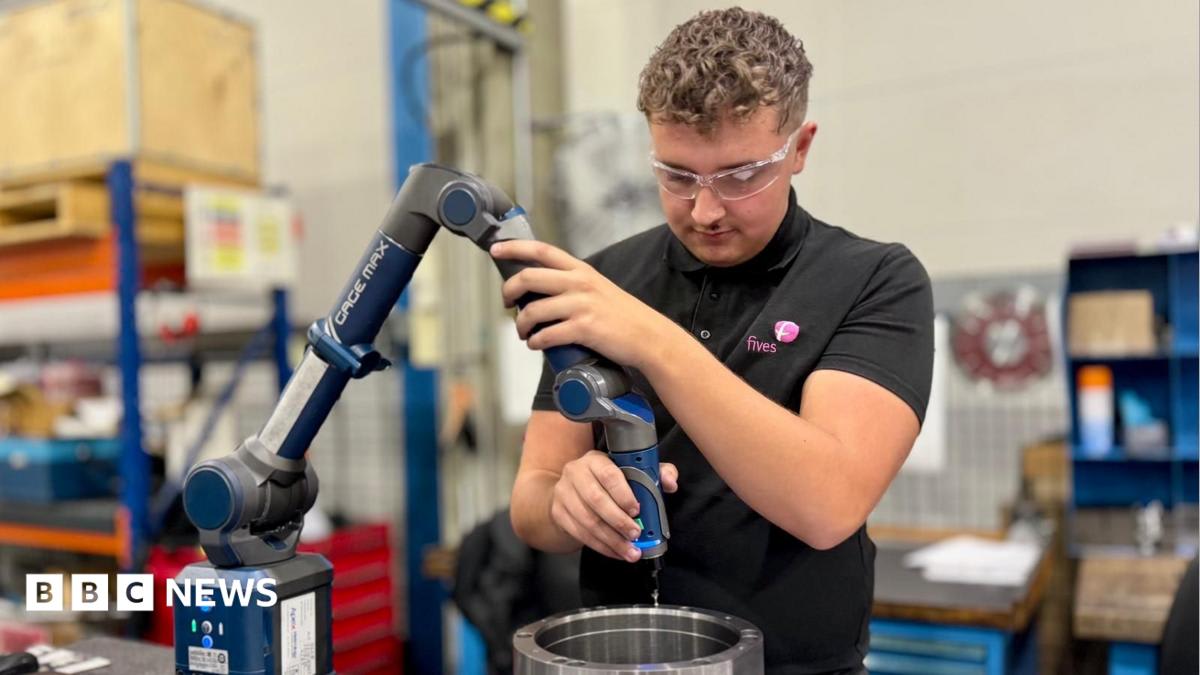
Degree apprenticeships in England are seeing a surge in popularity, with applications quadrupling while available positions have significantly decreased. This mismatch highlights growing student concerns over university costs and broader economic instability.
The Shift in Higher Education: The Rise of Degree Apprenticeships
Recent data indicates a seismic shift in the career aspirations of young people in England, as the demand for degree apprenticeships has quadrupled over the last three years. These programs, which offer the dual advantage of a university degree and a professional salary, are increasingly viewed as a pragmatic alternative to the traditional route of full-time higher education. As the financial burden of tuition and living costs comes under intense scrutiny, students are pivoting toward pathways that promise debt-free qualification and immediate workforce integration.
The Growing Mismatch Between Supply and Demand
While interest in these programs has surged, the structural capacity of the labor market has failed to keep pace. Data reveals that while applications via the government’s central platform have jumped from 8,100 to 21,800, the number of available positions has plummeted by nearly half, dropping from 7,300 to 3,700. This widening gap creates a hyper-competitive environment where only a fraction of qualified candidates can secure a placement, leaving many prospective apprentices to face significant uncertainty regarding their future career prospects.
Economic Uncertainty and Corporate Restraint
This contraction in available apprenticeships is largely driven by broader economic pressures. Employers, faced with rising operational costs and lingering economic uncertainty, have begun to scale back their intake of new apprentices. The financial commitment required to train and mentor apprentices is a significant line item for firms, and in periods of fiscal tightening, these programs are often the first to face budget cuts. Consequently, the very mechanism designed to bridge the skills gap is currently constrained by the same economic volatility it seeks to mitigate.
The 'Backup' Strategy and Student Anxiety
Reflecting the severity of the competition, many students are now treating traditional university applications as a mere "backup" to their apprenticeship ambitions. This reversal of the traditional educational hierarchy underscores a profound change in how the next generation values degree-based education versus vocational training. The anxiety surrounding the job market has turned the search for an apprenticeship into a high-stakes endeavor, where the failure to secure a spot forces students to reconsider their financial and academic strategies.
Future Implications and Policy Challenges
The Department for Work and Pensions (DWP) continues to express support for employers, yet the current data suggests that intent is not translating into sufficient market volume. Moving forward, the sustainability of the degree apprenticeship model will depend on whether the government can incentivize firms to prioritize long-term talent development despite short-term economic headwinds. Without an expansion of these programs, the UK risks a talent bottleneck that could stifle productivity and leave a generation of ambitious students without the practical training they desire.