IITs are now teaching working professionals, a space long held by IIMs
Source Entity
Pallavi Smart
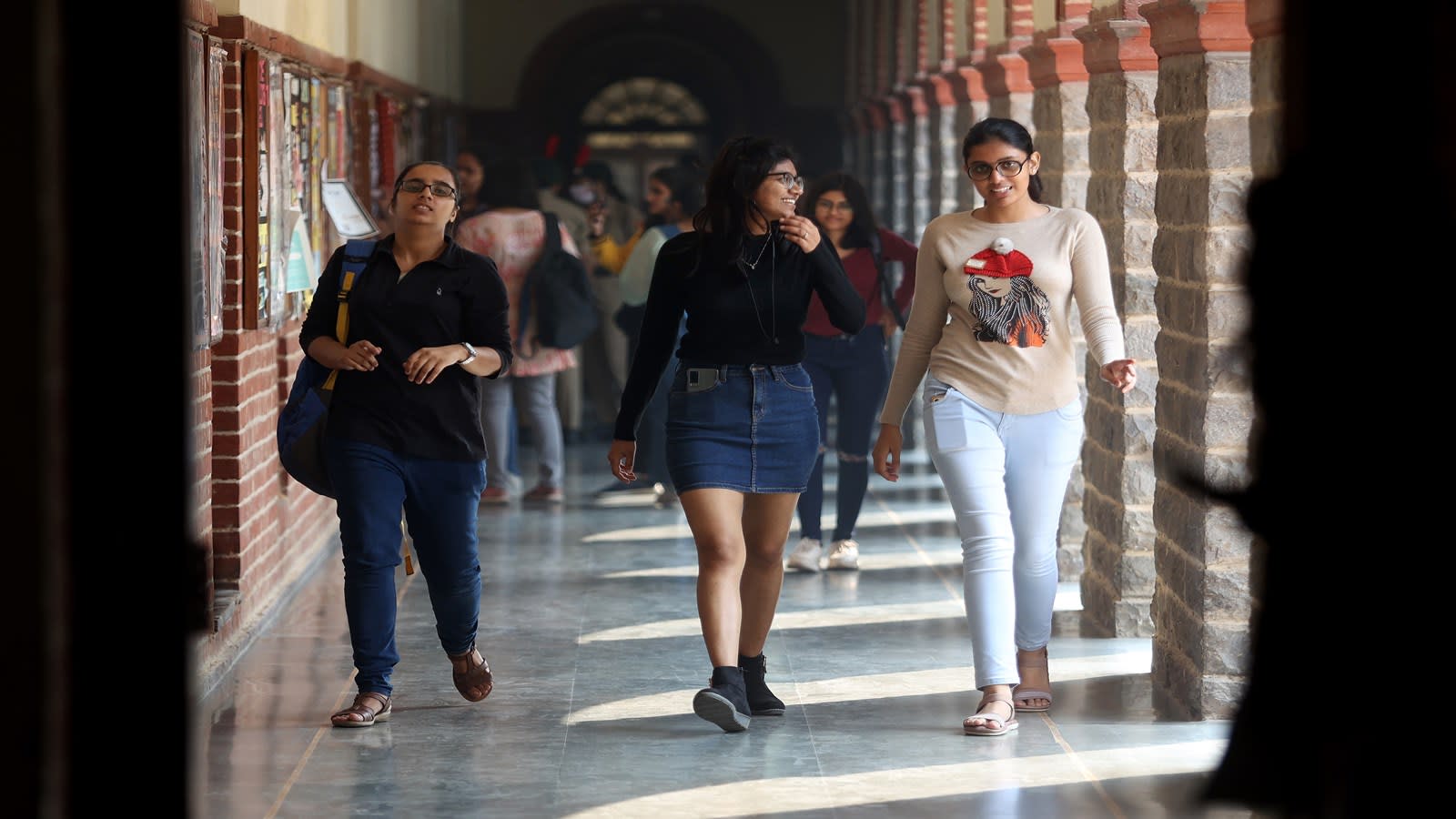
The Indian Institutes of Technology (IITs) are expanding into executive education, traditionally dominated by IIMs, by offering professional certificates and master's degrees. This strategic shift leverages their academic brand and industry ties to meet the growing demand for upskilling in emerging technologies.
The Paradigm Shift: IITs Enter the Executive Education Arena
For decades, the demarcation between India’s premier academic institutions was clear: the Indian Institutes of Management (IIMs) held a monopoly on executive education and leadership training, while the Indian Institutes of Technology (IITs) focused almost exclusively on undergraduate and postgraduate engineering research. However, the current landscape is witnessing a tectonic shift as IITs aggressively pivot toward the professional development market, offering everything from short-term certificates to comprehensive master’s degrees tailored for working professionals.
Drivers of the Institutional Pivot
This strategic expansion is driven by a convergence of market forces. The post-pandemic era has normalized hybrid and online learning, removing the geographical barriers that previously tethered elite education to physical campuses. Furthermore, the rapid evolution of the digital economy has created an insatiable demand for upskilling in emerging technologies. By leveraging their established academic brand and deep-rooted industry partnerships, IITs are uniquely positioned to bridge the gap between theoretical knowledge and practical industry application.
Financial Sustainability and Autonomy
Beyond educational demand, the shift is also rooted in economic necessity. Unlike core government-subsidized BTech programs, which are subject to rigorous budgetary constraints and fee regulations, executive programs operate on a self-sustaining model. These courses are funded through tuition fees, providing the institutions with the financial autonomy to invest in advanced infrastructure and attract top-tier faculty without relying solely on state grants. This model allows IITs to operate with the agility of private players while maintaining their prestigious public status.
The Growth of First-Generation IITs
This trend is most visible within the first-generation IITs, which have spent the last four to five years diversifying their portfolios. These institutions have transitioned from being purely research-centric hubs to becoming dynamic centers for professional upskilling. By launching full-fledged online and hybrid master’s programs, they are effectively challenging the long-standing dominance of B-schools in the executive space, forcing a competitive re-evaluation of how professional degrees are delivered in India.
Future Implications and Competitive Landscapes
As IITs continue to capture the market for technical executive education, the broader landscape of higher education is likely to see intensified competition. We can expect to see increased collaboration between academia and industry, as these programs are often co-developed with corporate leaders to ensure curriculum relevance. The long-term trend suggests that the distinction between 'management training' and 'technical upskilling' will continue to blur, as professionals increasingly require a hybrid skill set that combines engineering prowess with strategic leadership.
Conclusion
The entry of IITs into the executive education domain represents a significant evolution in Indian higher education. By capitalizing on their reputation and the growing necessity for continuous learning, IITs are not only diversifying their revenue streams but are also setting a new standard for how elite institutions interact with the professional workforce. This movement marks the beginning of a more fluid educational landscape where the traditional boundaries of academic institutions are being redefined by market demand and technological integration.