Gurugram generates about 70% of Hry’s C&D waste: HSPCB report
Source Entity
Latest News: Todays Latest News Headlines from India & World | Hindustan Times | Hindustan Times
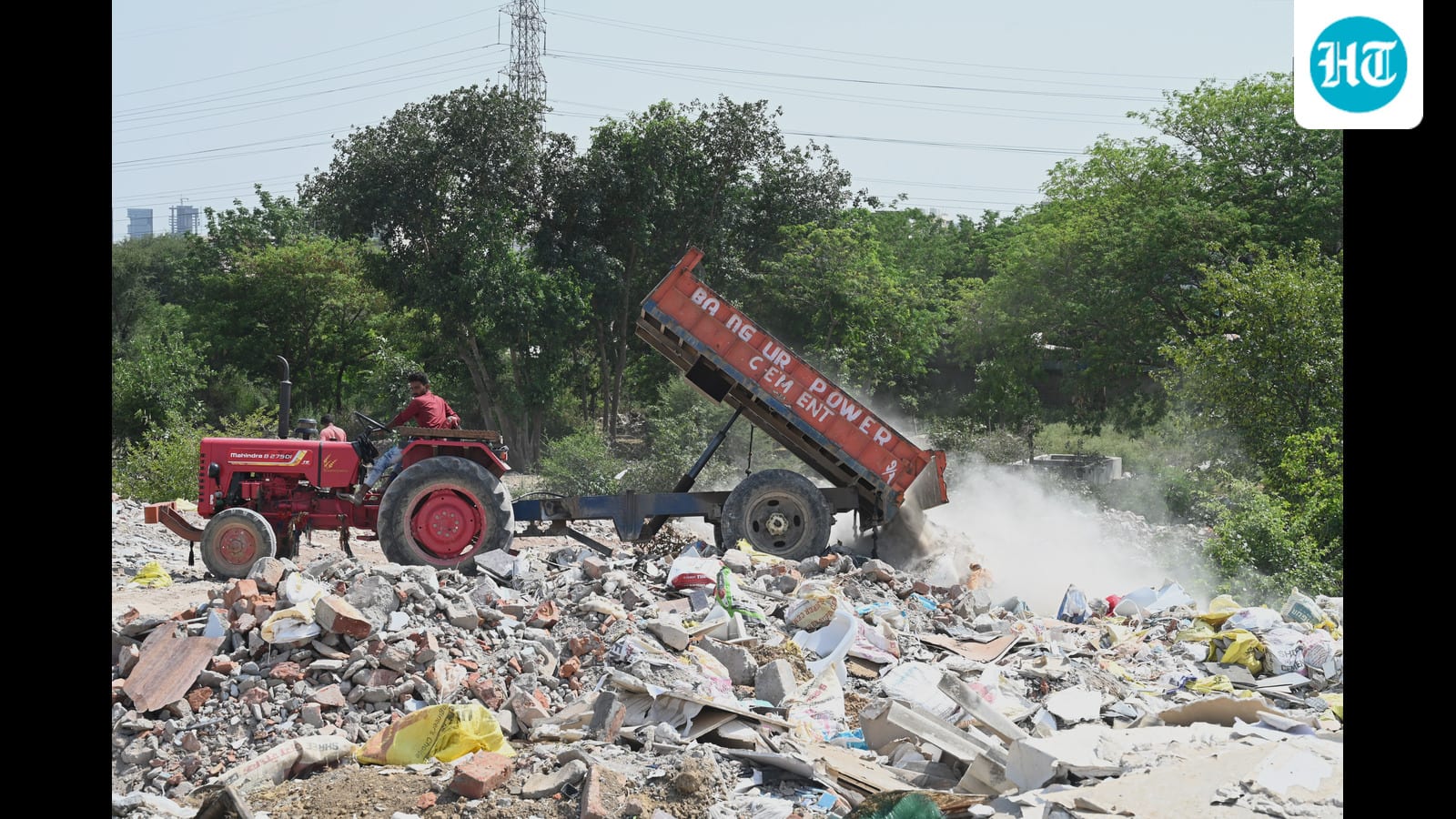
A recent Haryana State Pollution Control Board report reveals that Gurugram generates 70% of the state's daily construction and demolition waste. Significant gaps in collection capacity and infrastructure remain as the city struggles to manage 1,500 TPD of waste.
The Growing Crisis of Urban Waste in Gurugram
A recent annual review report released by the Haryana State Pollution Control Board (HSPCB) has shed light on a staggering environmental challenge facing the National Capital Region. According to the data, Gurugram is responsible for approximately 70% of Haryana's total construction and demolition (C&D) waste generation for the 2024-25 period. Producing an average of 1,500 tonnes per day (TPD), the district stands as the primary contributor to the state's waste burden, highlighting the intense pace of infrastructure development in the region.
The Disparity Between Generation and Collection
The report underscores a critical infrastructure deficit that threatens to overwhelm local waste management systems. While Gurugram generates 1,500 TPD of C&D waste, the city is currently only capable of collecting 300 TPD. This massive shortfall—where the vast majority of debris remains uncollected—poses significant risks to local air quality and public health. When C&D waste is left to accumulate in open spaces or along roadsides, it contributes heavily to particulate matter pollution, a persistent issue for the city.
Comparative Regional Impacts
To put the data into perspective, Haryana’s total average daily C&D waste generation is approximately 2,150 TPD. With Gurugram contributing 1,500 TPD and Faridabad adding another 300 TPD, these two districts effectively dominate the state's waste profile. The report notes that for every 1.43 kilograms of waste generated in Haryana, Gurugram accounts for roughly one kilogram. This concentration of waste highlights the uneven nature of urban expansion and the localized strain on environmental resources.
Infrastructure and Future Targets
Addressing this crisis requires more than just policy acknowledgment; it demands robust physical infrastructure. HSPCB officials have indicated that while there is an ambitious plan to establish 20 dedicated storage sites by the end of 2026, progress remains slow. As of the current reporting period, only four such sites are operational. This gap between the planned infrastructure and the reality on the ground illustrates the difficulty of scaling up waste management operations to match the rapid rate of industrial and residential construction.
Broader Environmental Implications
Ultimately, the findings submitted to the Central Pollution Control Board (CPCB) serve as a wake-up call for urban planners. The reliance on landfilling—which accounted for 6,148.11 tonnes of C&D waste in 2024-25—is an unsustainable long-term strategy. Without a significant shift toward recycling and formalizing the collection process, the environmental degradation caused by unmanaged debris will likely worsen, potentially impacting the ecological health of the entire NCR ecosystem.
Verification Required?