SC seeks SIT status report on Ayodhya Ram temple donation probe, issues notice
Source Entity
Latest News: Today's Latest News Headlines from India & World | Hindustan Times | Hindustan Times
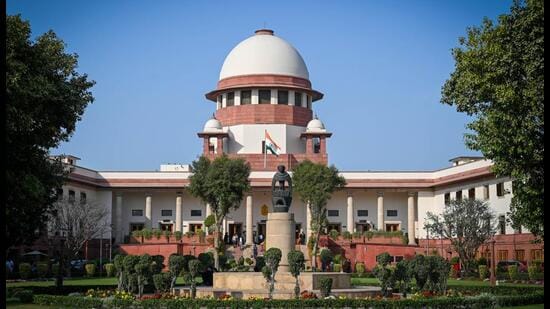
The Supreme Court indicated that it may consider issuing further directions after examining the progress of the probe
Judicial Oversight of the Ayodhya Ram Temple Donation Probe
The Supreme Court of India has recently taken a significant step by seeking a status report from the Special Investigation Team (SIT) regarding the ongoing probe into donations for the Ayodhya Ram temple. This move underscores the court's commitment to judicial oversight in matters of immense public interest and massive financial scale. By issuing a formal notice, the apex court is signaling that the transparency of the fundraising process is a matter of legal scrutiny, ensuring that the vast sums of money collected from devotees across the globe are accounted for according to the law.
The Role and Significance of the SIT
The appointment of a Special Investigation Team (SIT) is typically reserved for cases of high complexity or where there are concerns regarding the impartiality of standard investigative agencies. In the context of the Ayodhya temple donations, the SIT is tasked with meticulously auditing the flow of funds, verifying the sources of contributions, and ensuring that no financial irregularities have occurred. The Supreme Court's request for a status report suggests that the court wants to assess whether the investigation is progressing at an acceptable pace or if it has encountered bureaucratic or legal hurdles that require judicial intervention to resolve.
Financial Transparency in Religious Trusts
This probe occurs against a backdrop of increasing scrutiny regarding the management of religious trusts in India. Large-scale religious projects often attract billions in donations, and without stringent auditing, these funds can become susceptible to mismanagement or lack of transparency. By monitoring this specific probe, the Supreme Court is reinforcing the principle that religious autonomy does not exempt organizations from financial accountability. This sets a vital precedent for how other major religious endowments and trusts across the country are managed, audited, and reported to the state.
Historical and Social Context
The construction of the Ram temple in Ayodhya is not merely an architectural project but a culmination of decades of legal and social conflict. Given the profound emotional and political weight associated with the site, any allegation of financial impropriety could potentially reignite tensions or lead to public distrust. Therefore, the Supreme Court's insistence on a detailed SIT report serves as a stabilizing mechanism, ensuring that the process remains transparent and above board, thereby protecting the sanctity of the project from allegations of corruption or money laundering.
Future Legal Trajectory and Implications
Moving forward, the directions issued by the Supreme Court after reviewing the SIT report will be crucial. If the report reveals gaps in the investigation or identifies suspicious patterns in donation sources, the court may expand the SIT's mandate or call for specific testimonies. Conversely, if the report confirms the legality and transparency of the donations, it will provide a legal seal of approval to the temple trust's financial dealings. This cycle of "report and direction" ensures that the investigative arms of the state remain accountable to the judiciary.
Conclusion
In summary, the Supreme Court's intervention in the Ayodhya Ram temple donation probe is a critical exercise in democratic accountability. By demanding a status report from the SIT, the court is ensuring that the legal process is not just a formality but a rigorous search for truth. The outcome of this probe will likely define the standards for transparency in public-funded religious projects in India for years to come, balancing the right to faith with the necessity of financial integrity.
Verification Required?