School of shame: When does enforcing a dress code become slut-shaming?
Source Entity
Vaishnawi Sinha
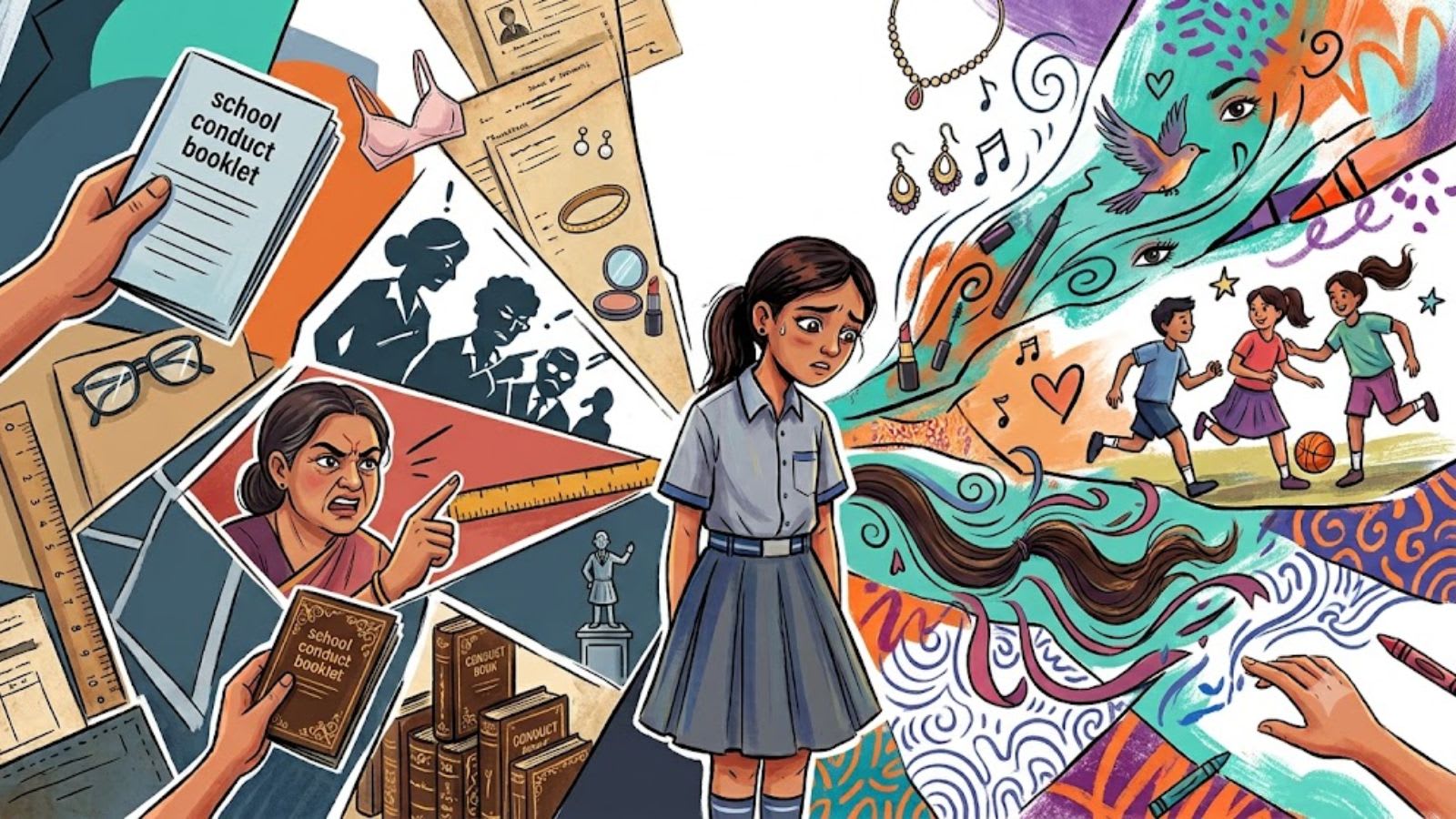
The narrative explores how school dress code enforcement can transition into problematic gender-based policing. It highlights the psychological impact of segregating students to discuss modesty, raising questions about modern educational standards.
The Shift from Innocence to Gendered Policing
The transition from early childhood to adolescence is often marked by a loss of innocence, but for many students, this shift is artificially accelerated by institutional policies. The provided account details a pivotal moment in Grade 8, where a previously gender-neutral environment was abruptly disrupted by a 'special session' targeted exclusively at female students. This intervention marks the point where educational institutions begin to impose societal expectations of modesty and behavior, often prioritizing the policing of female bodies over academic or social development.
The Mechanics of Institutional Segregation
By physically separating students based on gender to discuss dress codes, schools inadvertently reinforce the idea that boys and girls are inherently different and must be managed through distinct sets of rules. This separation often serves as the precursor to what many critics call 'slut-shaming,' where the responsibility for maintaining a professional or 'appropriate' environment is placed disproportionately on the shoulders of young girls. The act of excluding boys from these conversations suggests that the burden of conduct is gendered, potentially fostering an environment of inequality from a young age.
Psychological and Social Implications
When teachers hijack break times—a period essential for social development and peer interaction—to enforce dress codes, it sends a clear signal about institutional priorities. Rather than focusing on the holistic growth of the student, the focus shifts to the visual presentation of the body. This can lead to self-consciousness and a hyper-awareness of gender roles that did not exist during the 'carefree' years of earlier primary education, potentially disrupting the natural development of friendships and social bonds.
The Broader Discourse on Dress Codes
This incident is a microcosm of a global debate regarding school dress codes and their role in modern education. While schools argue that dress codes maintain a sense of order and discipline, the methods used to enforce them—such as public reprimands or targeted segregation—are increasingly scrutinized. The core issue is whether these policies protect the learning environment or whether they perpetuate harmful stereotypes that sexualize students before they have fully navigated their own identities.
Future Trends in Educational Policy
As educational institutions face increasing pressure to be inclusive and equitable, the trend is shifting toward gender-neutral dress codes that focus on comfort and utility rather than morality. The frustration expressed by students regarding the loss of their 'best lives'—their freedom to interact and socialize without the interference of gendered oversight—suggests a growing disconnect between outdated administrative policies and the expectations of modern students. Moving forward, schools will likely need to re-evaluate how they communicate standards of conduct to ensure that they do not alienate or shame their student body in the process.