100 volunteers collected 11m seeds to restore Scotland's disappearing rainforest
Source Entity
TOI SCIENCE DESK
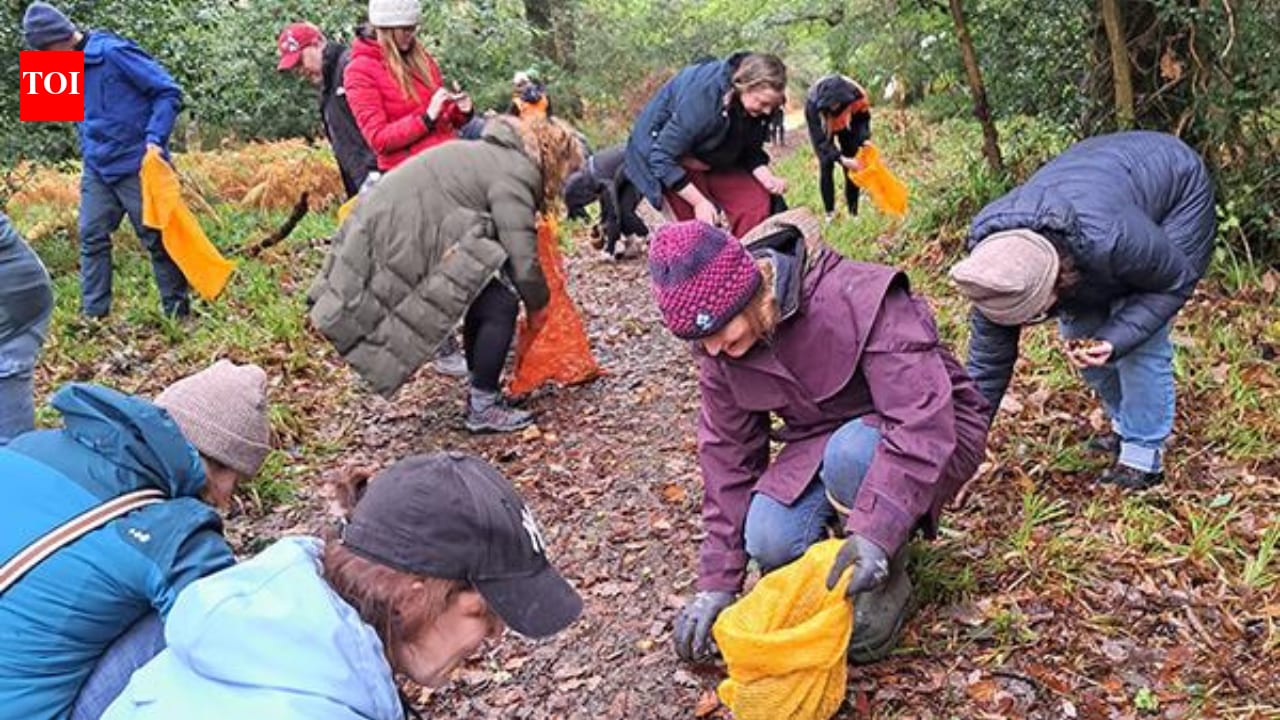
A dedicated group of 100 volunteers has collected 11 million native tree seeds from remote Scottish woodlands to aid in the restoration of the country's endangered Atlantic rainforests.
Restoring the Emerald Heart: The Massive Effort to Save Scotland's Atlantic Rainforest
In a remarkable display of citizen science and environmental dedication, 100 volunteers have successfully hand-collected 11 million native tree seeds from the remote woodlands of Scotland. This ambitious initiative is aimed at reversing the decline of the country's endangered Atlantic rainforests—a rare and ecologically vital ecosystem that has faced centuries of degradation. The sheer scale of this collection effort underscores the urgency of the climate crisis and the critical need for large-scale reforestation projects that prioritize native biodiversity over commercial monocultures.
The Historical Decline of the Atlantic Rainforest
To understand the significance of collecting 11 million seeds, one must first understand the historical context of Scotland's temperate rainforests. Unlike tropical rainforests, these are characterized by high rainfall, mild temperatures, and a lush growth of bryophytes, lichens, and ferns. Historically, these forests covered vast swathes of the Scottish landscape, providing a sanctuary for diverse flora and fauna. However, centuries of overgrazing by deer and sheep, combined with industrial logging and land clearance for agriculture, have left only fragmented remnants of these ancient woodlands. The current effort is not merely about planting trees, but about reconstructing a complex, lost ecosystem that once defined the region's natural heritage.
The Strategic Importance of Native Seed Collection
One of the most critical aspects of this operation is the focus on hand-collecting seeds from remote woodlands. This methodology is a strategic choice intended to preserve genetic diversity. By sourcing seeds from wild, remote populations, conservationists ensure that the new forests are genetically resilient and adapted to the specific microclimates of the Scottish Highlands and coastlines. This prevents the risks associated with commercial nurseries, where limited genetic stock can lead to forests that are more susceptible to disease or pests. The act of venturing into remote areas ensures that rare alleles from isolated tree populations are captured and reintroduced into the broader landscape.
The Role of Community-Led Conservation
The involvement of 100 volunteers highlights a growing trend in global conservation: the shift toward community-led environmentalism. By engaging citizens in the physical labor of seed collection, the project fosters a deep psychological connection between the public and the land. This "citizen science" approach scales the capacity of conservation organizations, allowing for the collection of millions of seeds that would be financially and logistically impossible for a small professional team to gather. This mobilization of human capital serves as a blueprint for other endangered ecosystems worldwide, proving that grassroots efforts can achieve industrial-scale results when coordinated effectively.
Broader Ecological and Climate Implications
Beyond the immediate goal of reforestation, the restoration of the Atlantic rainforest has profound implications for global biodiversity and carbon sequestration. Temperate rainforests are incredibly efficient carbon sinks, locking away atmospheric CO2 in both the biomass of the trees and the rich, organic soils beneath them. Furthermore, restoring these forests creates vital wildlife corridors, allowing endangered species to migrate and thrive. The return of native canopy cover will likely lead to a resurgence of rare insects, birds, and fungi, effectively repairing the broken food webs that have suffered due to habitat fragmentation.
Predicting the Future of Scotland's Woodlands
Looking forward, the collection of these 11 million seeds is only the first phase of a long-term ecological recovery. The next decade will likely see these seeds transitioned into nurseries and eventually planted across degraded landscapes. We can expect a shift in Scottish land management, moving away from traditional sporting estates toward "rewilding" models. As these native forests mature, they will not only mitigate the effects of climate change but also potentially revitalize local economies through sustainable eco-tourism. The success of this seed drive suggests a future where Scotland's landscape is once again dominated by the vibrant, moss-draped canopy of the Atlantic rainforest.
Summary of Impact
In conclusion, the collection of 11 million seeds by 100 volunteers is a pivotal moment for Scottish ecology. By combining historical knowledge of native woodlands with a modern, community-driven approach to conservation, this project addresses the root causes of forest loss. It transforms a desperate environmental situation into a hopeful narrative of recovery, ensuring that the unique biological legacy of the Atlantic rainforest is preserved for future generations.