A searchable library of forgotten public-domain film clips from 1915 onward
Source Entity
Hacker News
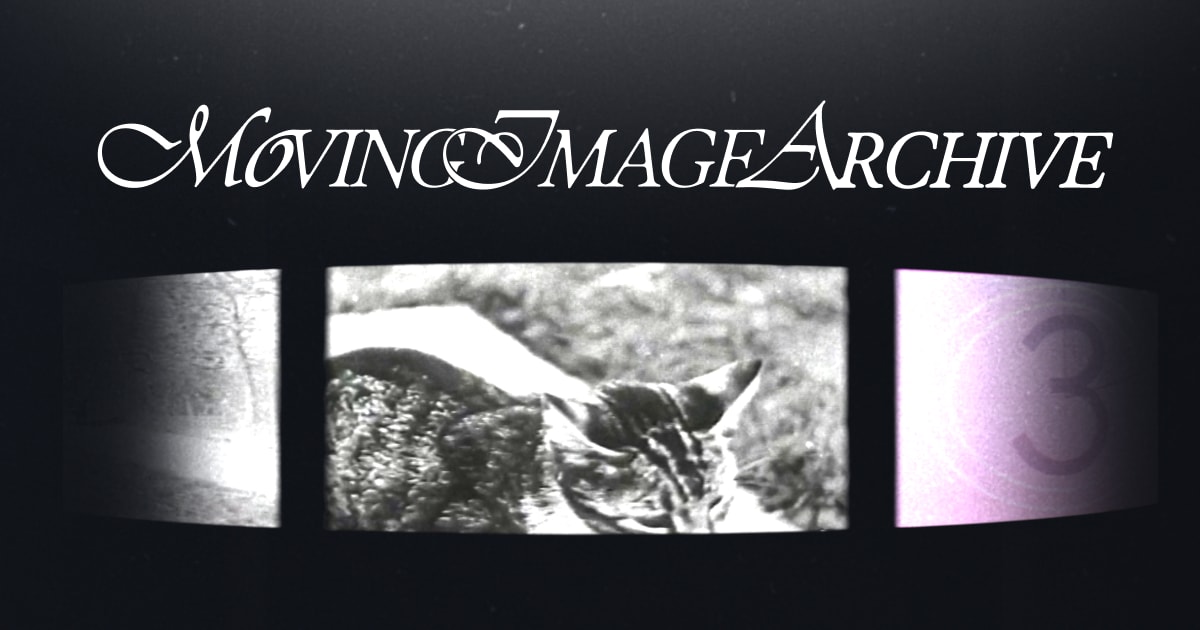
A new searchable library has launched, providing public access to historical film clips dating back to 1915. This project preserves cinematic heritage by digitizing and cataloging forgotten footage for public use.
The Digital Preservation of Cinematic History
The launch of a searchable library dedicated to public-domain film clips dating back to 1915 marks a pivotal moment in digital archiving. By aggregating footage that has entered the public domain, this initiative effectively prevents the erasure of early 20th-century visual culture, ensuring that content which might otherwise languish in physical archives remains accessible to the modern digital generation.
Why 1915 Serves as a Critical Threshold
The choice of 1915 as the starting point is significant, as it aligns with the maturation of the silent film era and the early standardization of motion picture techniques. Films created during this period capture a unique intersection of history, social customs, and the infancy of cinematic language. By providing a searchable interface for these clips, the library bridges the gap between academic researchers, independent filmmakers, and the general public.
Empowering Creators and Educators
One of the most profound implications of this library is the democratization of archival footage for creative and educational purposes. Historically, high-quality, historical film clips were often locked behind expensive licensing walls or buried in proprietary institutional databases. This searchable resource allows for the seamless integration of authentic, historical imagery into new creative works, documentaries, and educational curriculum without the burden of copyright litigation.
Technological Challenges in Archiving
The technical feat of digitizing and indexing these films cannot be understated. Moving from fragile physical celluloid to high-resolution, searchable digital formats requires sophisticated metadata tagging and restoration efforts. This project sets a standard for how historical institutions can leverage search technology to breathe new life into static, forgotten collections, transforming them from passive storage into active, searchable assets.
Future Trends in Digital Heritage
Looking forward, this project suggests a growing trend toward the 'open-access' model for historical media. As more material enters the public domain, we can expect to see similar repositories emerge, potentially utilizing AI-driven indexing to allow for granular searches—such as searching by specific visual objects, locations, or actors. This trend ensures that our collective visual history remains a living, breathing resource rather than a static relic.
Conclusion
In summary, the creation of this searchable library is a triumph for cultural preservation. By lowering the barrier to entry for accessing footage from 1915 onward, the project fosters a deeper public connection to the past. It serves as a vital tool for historians and creators alike, ensuring that the visual legacy of the last century is preserved, indexed, and celebrated for years to come.