An expert explains the AI chip ‘supercycle’, and the opportunity it presents for India
Source Entity
Shruti Mittal
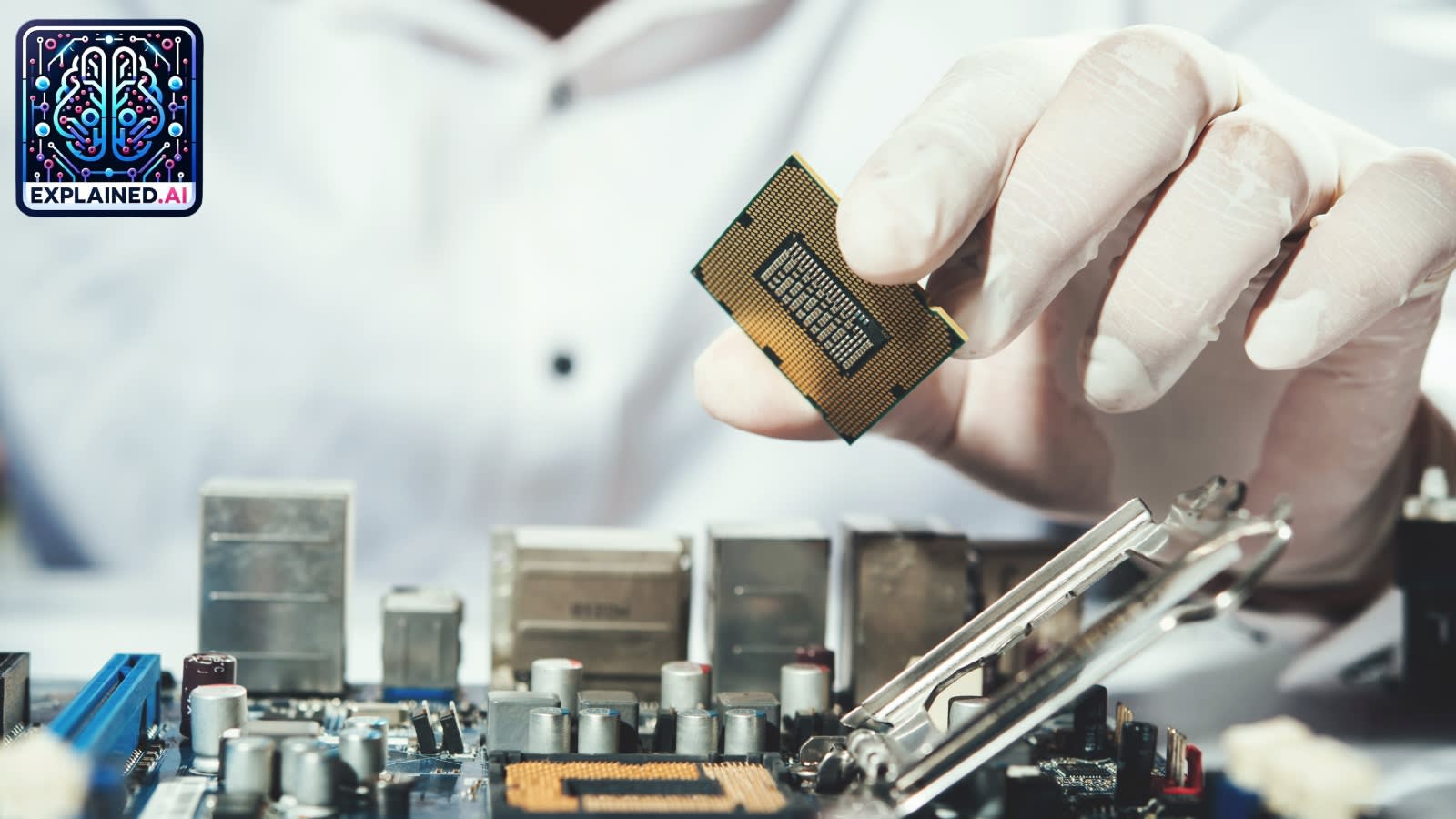
SEMICON India recently brought together 600 global companies to highlight India's growing role in the semiconductor industry. This event underscores the nation's strategic push to leverage the global AI-driven chip supercycle.
The Dawn of India's Semiconductor Ambitions
Recent developments at the SEMICON India conference in New Delhi mark a pivotal moment for the nation's technological sovereignty. With nearly 600 companies from 52 countries participating in the India Semiconductor Mission’s (ISM) flagship event, the scale of global interest is clear. By hosting this summit, the Ministry of Electronics and Information Technology (MeitY) has signaled that India is no longer merely a consumer of global technology but is positioning itself as a central hub for the design, manufacturing, and assembly of critical microelectronic components.
Understanding the Semiconductor 'Supercycle'
At the heart of this expansion is the concept of a semiconductor “supercycle.” Unlike traditional market booms that are dictated by cyclical consumer demand, this supercycle is structural, driven by the explosive growth of artificial intelligence (AI). AI infrastructure requires massive computing power, necessitating a sustained, long-term surge in chip production. India’s strategic pivot to capture this demand is not just timely; it is an economic necessity as the world transitions toward AI-integrated industrial frameworks.
Government Policy and Strategic Infrastructure
Prime Minister Narendra Modi’s inauguration of the event underscores the high-level political commitment to this sector. The ISM, operating under MeitY, provides the regulatory and fiscal scaffolding required to nurture this ecosystem. By streamlining the path for international partnerships, the government aims to mitigate the historical vulnerabilities of supply chain disruptions, ensuring that India builds a robust, self-reliant foundation for the next decade of technological progress.
Global Integration and Diplomatic Leverage
The participation of 52 countries at SEMICON India highlights the shift in global supply chain strategies, often referred to as the 'China Plus One' approach. As global firms seek to diversify their manufacturing footprints, India’s rapidly expanding semiconductor ecosystem offers an attractive alternative. This international collaboration is vital for transferring high-end technical knowledge and securing the capital investments needed to build sophisticated fabrication plants, or 'fabs,' on Indian soil.
Future Trends and Economic Impact
Looking ahead, the success of India's semiconductor mission will likely determine its competitive edge in the global digital economy. If the current momentum is sustained, the country stands to benefit from significant job creation in high-tech manufacturing and R&D. Furthermore, establishing a local semiconductor base will provide a strategic buffer against global chip shortages, ultimately fostering a more resilient domestic technology sector that can support the burgeoning AI infrastructure required for future industrial growth.