‘Are you going to get money back to the American people?’ asks Senator Warren on tariff refund checks. Here’s the answer
Source Entity
Yahoo Finance
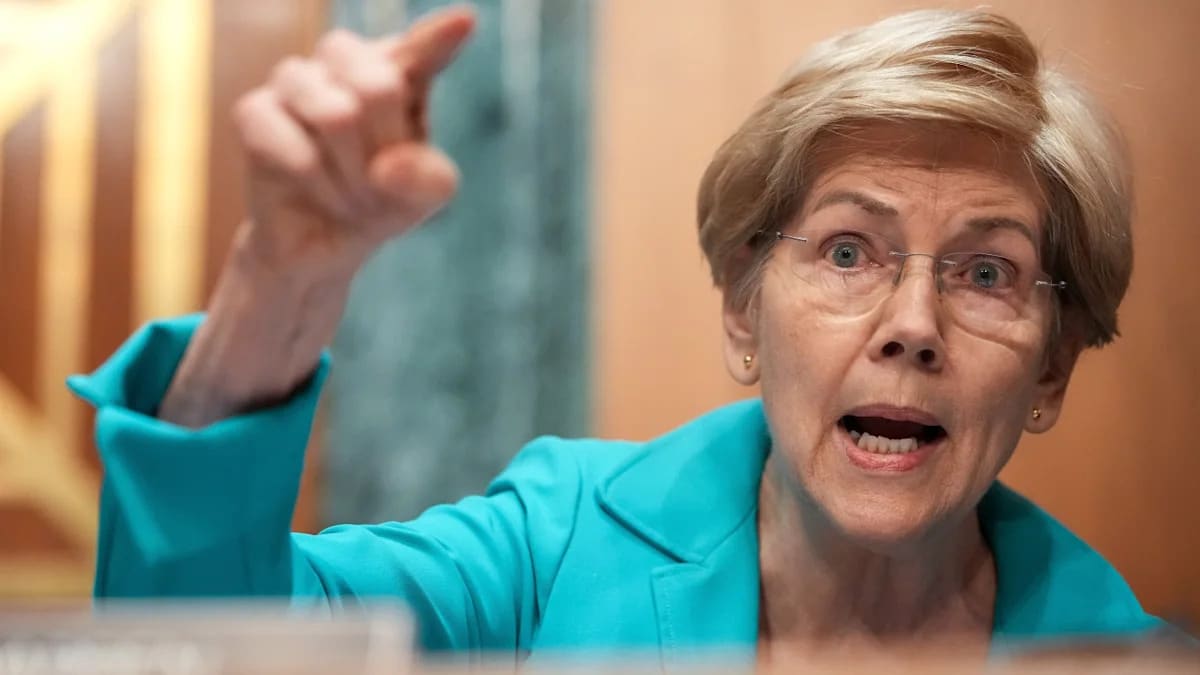
Senator Elizabeth Warren has pressed U.S. Trade Representative Jamieson Greer for clarity on President Trump's proposed $2,000 tariff dividend. The administration has yet to provide a concrete update or mechanism for these payments following the initial November 2025 announcement.
The Tariff Dividend Debate: A Legislative Inquiry
In a recent high-stakes exchange during a Senate Finance Committee hearing on July 22, Senator Elizabeth Warren initiated a direct inquiry into the status of a proposed 'tariff dividend.' This proposal, originally touted by President Donald Trump in November 2025 via Truth Social, suggested that American citizens—excluding those in high-income brackets—would receive a payout of at least $2,000 derived from tariff revenues. The core of Senator Warren’s questioning focused on whether the administration intends to fulfill this promise by issuing refunds to American consumers who have borne the brunt of these trade levies.
The Origins of the Promise
The political discourse surrounding this issue traces back to the President’s November 2025 assertion, where he explicitly labeled those opposing tariffs as 'fools' and framed the trade policy as a direct financial benefit to the populace. By linking tariff collection to a specific, per-person dividend, the administration sought to rebrand protective trade measures not just as economic tools, but as a mechanism for wealth redistribution. However, the lack of follow-up communication since the initial announcement has left both lawmakers and the public in a state of uncertainty regarding the feasibility and administrative timeline of such a program.
Legislative Oversight and Administrative Silence
Senator Warren’s direct confrontation with U.S. Trade Representative Jamieson Greer marks a critical moment of legislative oversight. By asking if American consumers will receive refunds for tariffs she characterized as 'illegally collected,' Warren is challenging the legal and economic foundation of the current trade strategy. The absence of a clear response from Greer suggests that either the policy is still in a nascent, conceptual stage or that the administration is encountering significant bureaucratic or legal hurdles in operationalizing the distribution of these funds.
Economic Implications and Public Expectation
The promise of a $2,000 dividend creates significant public expectation, particularly for lower- and middle-income households. If implemented, such a policy would represent a major shift in how trade revenue is utilized in the United States, moving away from general treasury funding toward direct cash transfers. However, the economic theory behind such a move remains contested; many economists argue that tariffs are essentially taxes paid by domestic importers and consumers, and therefore, a 'refund' would be a complex redistribution of capital rather than a simple rebate of surplus funds.
Future Outlook and Policy Challenges
Looking ahead, the administration faces the dual challenge of reconciling its trade agenda with the fiscal realities of the federal budget. If the administration fails to establish a concrete mechanism for these payments, it risks losing credibility with its base, who may view the lack of progress as a broken promise. Conversely, if the administration proceeds, it must navigate the complexities of identifying eligible recipients and ensuring that the distribution does not exacerbate inflationary pressures. As the Senate continues to demand accountability, the future of the tariff dividend remains one of the most contentious topics in current economic policy.