Batwara 1947 failed as people couldn’t accept Sunny Deol as a Muslim: Shabana Azmi
Source Entity
The Indian Express
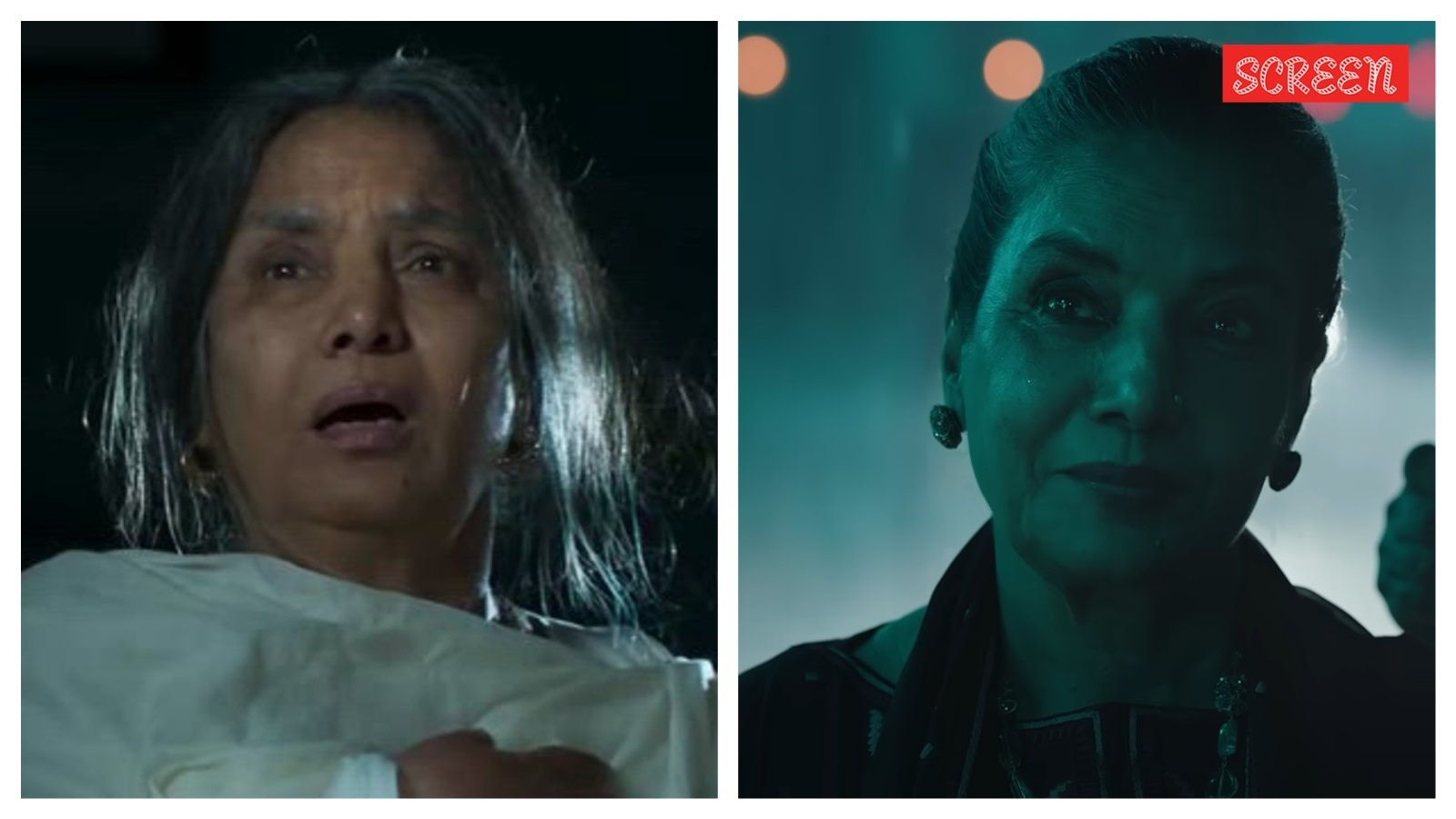
Shabana Azmi attributes the box-office failure of 'Batwara 1947' to audience resistance toward Sunny Deol playing a Muslim character. She also emphasizes her and Javed Akhtar's ongoing struggle against extremism from both Hindu and Muslim communities.
The Intersection of Casting and Cultural Perception
The recent box-office performance of the film Batwara 1947, which has grossed only Rs 53 crore since its August 14 release, has sparked a significant debate regarding audience reception and star personas. Actor Shabana Azmi, a key cast member, has openly discussed the film's commercial failure, suggesting that the audience may have struggled to reconcile Sunny Deol’s established cinematic image with the Muslim character he portrays in the film. This observation highlights the powerful, yet often restrictive, nature of 'star image' in Indian cinema, where actors are frequently typecast into roles that align with their established public identity.
Comparing Historical Precedents
Azmi’s critique draws an interesting parallel to the career of Amitabh Bachchan. She notes that Bachchan, despite being the preeminent star of his era, was able to portray Muslim characters seamlessly without alienating his audience. This comparison underscores a shift in contemporary viewing habits and the potential hardening of audience expectations. While historical stars were often granted greater creative liberty to traverse religious and cultural archetypes, current trends suggest a more rigid compartmentalization of roles based on the perceived off-screen identity of the actor.
The Contrast with Competitors
The market context further complicates this narrative, as Batwara 1947 underperformed significantly when compared to Awarapan 2, which was released on the same day and surpassed the Rs 200 crore mark. This disparity invites a broader analysis of how genre, casting, and thematic resonance influence modern box-office success. The stark difference in financial outcomes suggests that audiences are currently gravitating toward specific types of narratives or star-driven vehicles, leaving films that challenge traditional casting norms at a disadvantage.
The Broader Sociopolitical Landscape
Beyond the film’s commercial struggles, Shabana Azmi’s comments reflect a deeper engagement with India’s current sociopolitical climate. She and her husband, Javed Akhtar, have long been vocal regarding the Hindu-Muslim divide. Azmi argues that the primary societal friction is not necessarily between religious groups, but rather between the forces of liberalism and those of extremism. This perspective positions their artistic and public lives at the center of a volatile cultural discourse.
The Burden of Secular Identity
Azmi highlights the personal toll of their public stance, noting that both she and Akhtar frequently face hostility from extremists on both sides of the religious spectrum. From receiving fatwas to being labeled terrorists, the couple’s experience illustrates the difficulty of maintaining a secular, moderate voice in an increasingly polarized environment. Azmi views this dual-sided opposition as a validation of their secular credentials, suggesting that their refusal to align with narrow extremist agendas makes them targets for those who demand total ideological conformity.
Conclusion: A Call for Nuanced Understanding
Ultimately, the discourse surrounding Batwara 1947 serves as a mirror for the tensions within the Indian entertainment industry and society at large. Whether it is the commercial rejection of an actor in a non-traditional role or the political backlash against moderate voices, the underlying theme is a struggle to look beyond religious identity. Azmi’s plea for a more holistic understanding of these issues suggests that until the audience can move past rigid archetypes and extremist narratives, the intersection of art and social commentary will remain a contentious space.