Sharad Navratri Day 4, 2026: What Maa Kushmanda teaches you about joy and self-care
Source Entity
Latest News: Todays Latest News Headlines from India & World | Hindustan Times | Hindustan Times
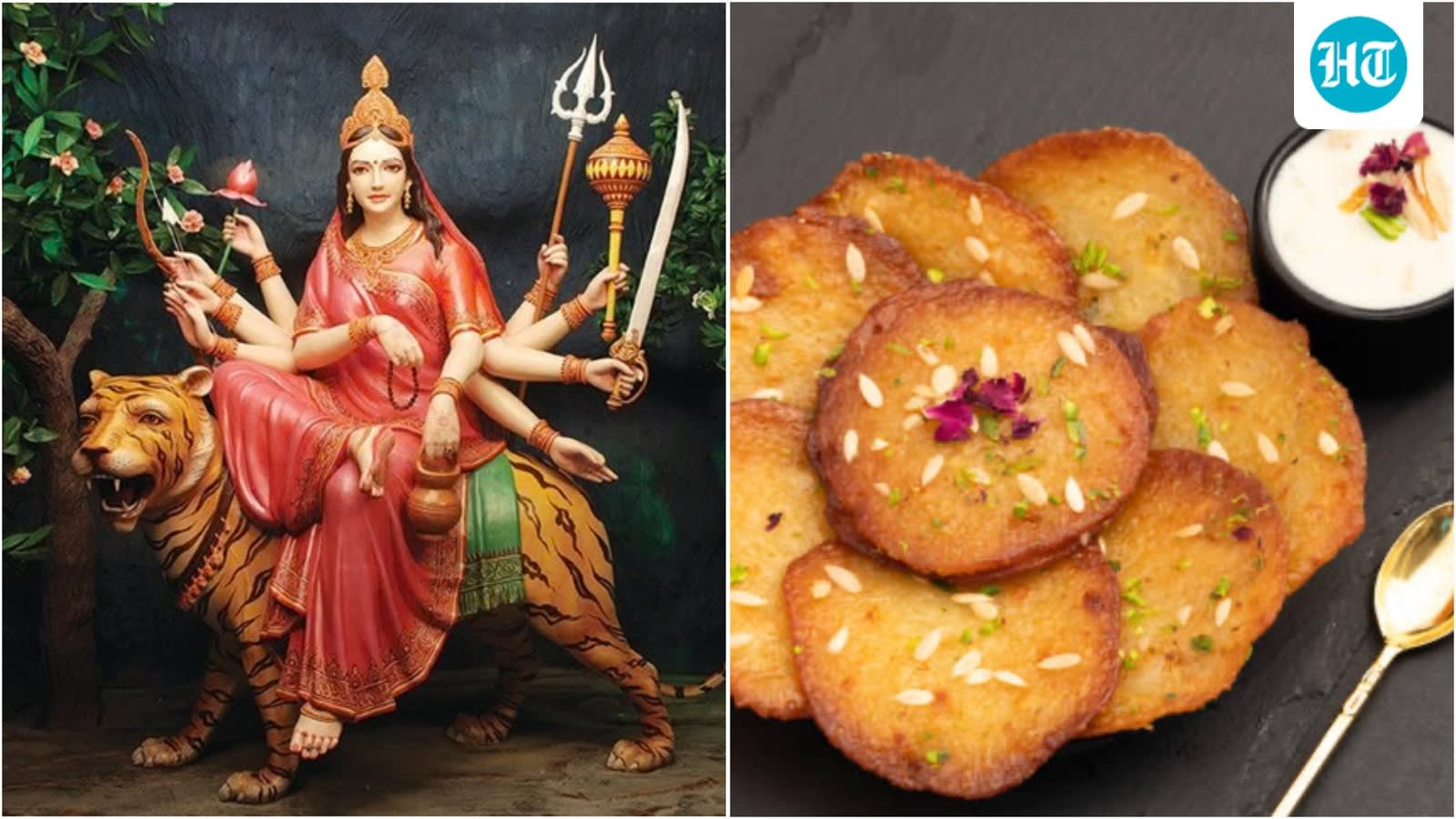
Sharad Navratri 2026 continues with the worship of Maa Chandraghanta on October 13 and Maa Kushmanda on October 14. These days emphasize spiritual growth, inner strength, and the importance of self-care and joy.
Celebrating the Divine: Sharad Navratri 2026
Sharad Navratri is a significant period in the Hindu calendar, marking a time of intense spiritual reflection and devotion. As we progress into the third and fourth days of the 2026 festival, the focus shifts toward specific manifestations of Goddess Durga, each offering distinct lessons for the spiritual seeker.
The Third Day: Maa Chandraghanta and Inner Clarity
On Tuesday, October 13, 2026, devotees turn their attention to Maa Chandraghanta. Representing the third form of Goddess Durga, she is characterized by the crescent-shaped bell on her forehead, a symbol associated with courage, protection, and the clearing of negative influences. Vedic astrologer Poonam Dutta highlights that this day is pivotal for finding one's inner voice. By setting healthy boundaries and quieting intrusive thoughts, practitioners are encouraged to confront the obstacles that hinder their personal and spiritual development.
The Fourth Day: Maa Kushmanda and the Power of Joy
Following this, Wednesday, October 14, 2026, marks the worship of Maa Kushmanda. Known as the creator of the universe through her divine smile, she embodies creative energy and new beginnings. The spiritual message of this day serves as a poignant reminder of the necessity of joy. In a modern world often defined by relentless productivity, the teachings of Maa Kushmanda urge individuals to embrace rest not as a reward to be earned, but as a fundamental aspect of human existence.
Interconnected Spiritual Themes
The transition from the third to the fourth day of Navratri reflects a holistic approach to well-being. Where Maa Chandraghanta provides the strength and boundary-setting skills required to protect the self from external negativity, Maa Kushmanda offers the warmth and optimism needed to sustain the spirit. Together, these days emphasize that spiritual health is found at the intersection of discipline and delight.
Broader Implications and Future Trends
The emphasis on self-care and mental clarity during these observances suggests a growing trend in integrating traditional Vedic wisdom with contemporary psychological needs. As devotees increasingly look to ancient traditions for guidance in navigating high-stress environments, the focus on 'finding the inner voice' and 'accepting support' marks a shift toward more compassionate, introspective forms of religious practice.
Conclusion
In summary, the 2026 observances of Sharad Navratri serve as a structural guide for personal growth. By honoring Maa Chandraghanta’s call for courage and Maa Kushmanda’s invitation to embrace joy, followers are provided with a robust framework for navigating the complexities of life with resilience, grace, and a balanced perspective.
Multiple Citing Sources
Verification Required?