'India needs your voice': Shashi Tharoor urges Sonam Wangchuk to end hunger strike
Source Entity
TOI NEWS DESK
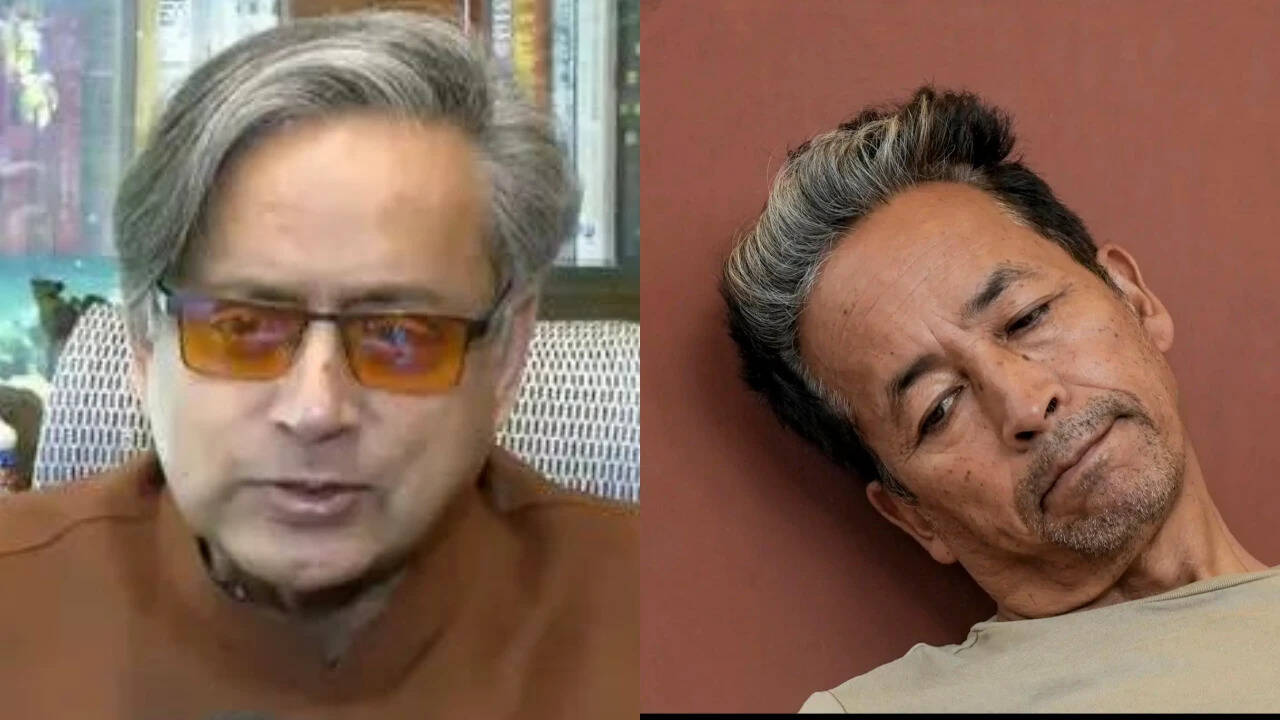
Congress MP Shashi Tharoor has urged activist Sonam Wangchuk to conclude his hunger strike, expressing strong support for students protesting against examination irregularities and pledging to raise these concerns in Parliament.
The Intersection of Academic Integrity and Political Activism
In a significant development reflecting the current socio-political climate in India, Congress MP Shashi Tharoor has publicly intervened in the ongoing protests regarding examination irregularities. By urging climate activist and educator Sonam Wangchuk to end his hunger strike, Tharoor is attempting to bridge the gap between grassroots activism and legislative action. This event underscores a growing tension within the Indian education system, where the stakes for competitive examinations have reached a fever pitch, making any perceived irregularity a matter of national concern.
The Crisis of Examination Irregularities
At the heart of this discourse is the systemic failure surrounding the conduct of high-stakes examinations. In India, these exams serve as the primary gateway to professional stability and social mobility. When irregularities—such as paper leaks, technical glitches, or unfair grading—occur, they do not merely represent administrative errors; they represent a breach of the social contract. Tharoor's emphasis on "equitable exams" highlights the fragility of this system, where the integrity of the process is the only safeguard for millions of aspirants competing for limited opportunities.
Sonam Wangchuk and the Power of Non-Violent Protest
Sonam Wangchuk's decision to employ a hunger strike is a nod to the long history of Satyagraha and non-violent resistance in India. As an activist known for his dedication to environmental preservation and educational reform in Ladakh, Wangchuk's involvement lends significant moral weight to the students' cause. The hunger strike serves as a high-visibility tool to force the government's attention toward the plight of the students. Tharoor's request for him to end the strike suggests a belief that the movement has gained sufficient momentum to transition from a state of protest to a state of political negotiation.
Social Equity and the Privileged Divide
One of the most critical points raised by Tharoor is the disproportionate impact of exam irregularities on students from less privileged backgrounds. While affluent students may have the resources to navigate legal battles, seek private tutoring, or pivot to alternative educational paths, students from marginalized communities rely entirely on the fairness of the state-administered system. For them, a compromised exam is not just a setback but a systemic denial of opportunity, further widening the socio-economic gap in the country.
Transitioning from the Streets to Parliament
The announcement that the opposition is set to raise these issues in Parliament next week marks a pivotal shift in the narrative. By moving the conversation from public demonstrations to the floor of the House, the opposition aims to hold the executive branch accountable through formal questioning and debate. This legislative approach is designed to transform the energy of the student protests into concrete policy changes, such as stricter oversight of exam boards and the implementation of more secure testing technologies to prevent future irregularities.
Conclusion: A Call for Systemic Reform
Ultimately, the interaction between Shashi Tharoor and Sonam Wangchuk symbolizes a convergence of intellectual leadership and grassroots activism. The focus on student rights and examination fairness is likely to remain a volatile political issue in the coming months. If the government fails to provide transparent solutions and a clear roadmap for reform, the current unrest could evolve into a broader movement for educational justice, potentially influencing electoral sentiments among the youth demographic.