"Urgent Matter": Sheikh Hasina Presses Bangladesh For New Passport
Source Entity
NDTV News Search Records Found 1000
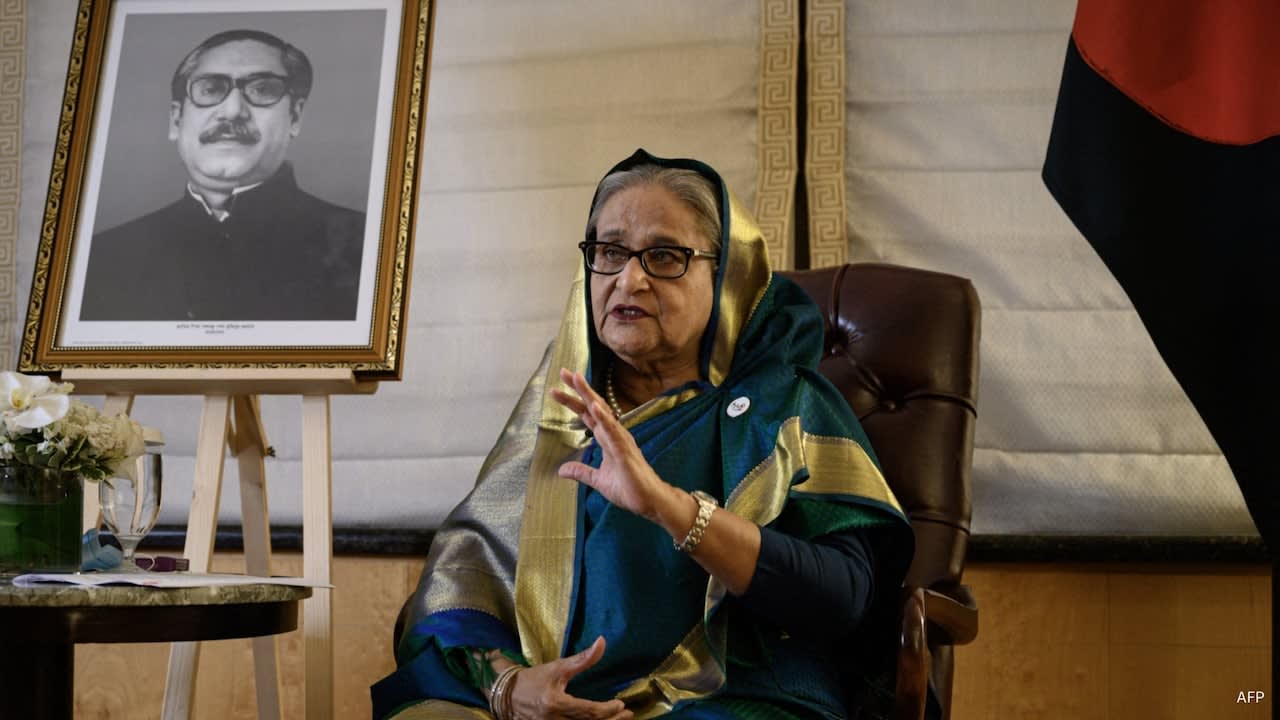
Former Bangladeshi Prime Minister Sheikh Hasina has reportedly requested a new passport while residing in India. This move follows her departure from Bangladesh in August 2024 amid significant political upheaval.
The Political Exile of Sheikh Hasina
The report concerning Sheikh Hasina’s request for a new passport highlights the ongoing uncertainty surrounding the former Bangladeshi Prime Minister’s status following her abrupt departure from office. Hasina, aged 79, fled to India in August 2024, a move that marked a sudden and dramatic conclusion to her long-standing tenure at the helm of Bangladeshi politics. This request for travel documentation serves as a focal point for the broader geopolitical implications of her sudden exit and the shifting power dynamics within South Asia.
Contextualizing the Departure
Sheikh Hasina’s exit in August 2024 was preceded by weeks of intense civil unrest and mass protests across Bangladesh. As the head of the Awami League, her administration faced unprecedented challenges that culminated in her resignation and subsequent flight to India. The fact that she remains in India, a neighbor with which Bangladesh shares deep historical, cultural, and economic ties, underscores the regional sensitivity of her presence and the diplomatic complexities it introduces for the current interim administration in Dhaka.
The Significance of Travel Documentation
In international law and diplomatic relations, the possession of a valid passport is essential for an individual’s ability to move, reside, and seek asylum in third-party nations. By pressing for a new passport, Hasina is effectively attempting to normalize her legal standing. This action suggests a transition from a state of emergency evacuation to a more structured, albeit uncertain, long-term residence. The response from the Bangladeshi authorities regarding this request will be a critical indicator of the current government's policy toward the former leader.
Regional Geopolitical Implications
India’s role as the host nation for Hasina places it in a delicate diplomatic position. While India maintains a policy of providing refuge to political figures, it must simultaneously navigate its relationship with the new administration in Bangladesh. The request for a passport acts as a stress test for these bilateral relations, as it forces both nations to address the legal status of a figure who remains a polarizing entity in Bangladeshi domestic politics.
Future Trends and Stability
Looking forward, the handling of Hasina’s documentation will likely mirror the broader stability of the region. If the request is denied, it may signal an escalation in the legal and political pursuit of the former leader by her successors. Conversely, the outcome of this matter will shape how the international community views the transition of power in Bangladesh and whether the new government is focused on reconciliation or retribution. As the situation evolves, the status of her passport will remain a vital barometer for the political climate in Dhaka.
Verification Required?