‘Papa, save me’: Shekhar Suman recalls son Aayush’s tragic final moments before death at 11
Source Entity
The Indian Express
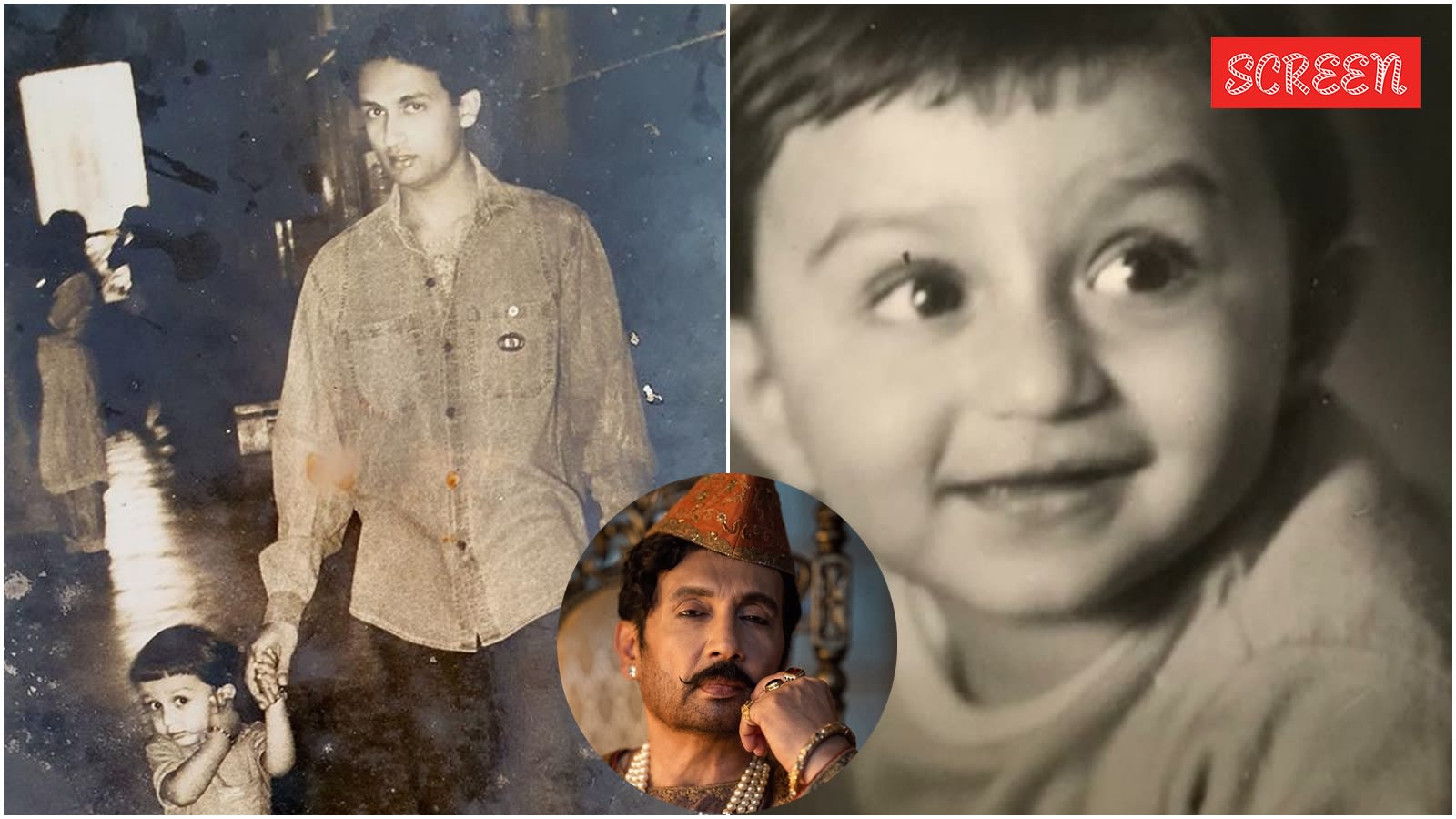
Actor Shekhar Suman recently opened up about the profound grief of losing his son, Aayush, to a terminal illness during a period of professional and financial struggle. He also clarified that his satire show, 'Shekhar Tonite', is meant for accountability rather than political bias against the BJP.
A Reflection on Personal Tragedy and Professional Resilience
Actor and television personality Shekhar Suman recently provided a poignant look into the most harrowing chapter of his life, revisiting the period when his eldest son, Aayush, succumbed to a terminal illness. During a candid interview with The Lallantop, Suman shared the emotional and financial devastation he faced, describing a time when he had to set aside his artistic preferences to accept television work simply to provide for his family. This period serves as a testament to the intersection of personal heartbreak and the harsh realities of a professional career, where the pressures of caregiving often collide with the need for financial stability.
The Intersection of Grief and Necessity
Suman’s narrative highlights the often-hidden struggles of public figures who must maintain a public persona while navigating private, life-altering tragedies. During his son’s final days, Suman faced the agonizing reality of being unable to afford the necessary care for a terminal condition. His decision to take on television projects, despite his initial lack of interest, underscores a profound sense of duty and the lengths to which a parent will go to ensure their child's well-being. The recollection of his son’s final moments remains a deeply personal reflection on a period he describes as feeling "ruined and destroyed."
Navigating the Landscape of Political Satire
In the same interview, Suman shifted focus to his current professional endeavors, specifically his YouTube satire show, Shekhar Tonite. He addressed the growing public perception that his content is inherently biased against the Bharatiya Janata Party (BJP). Suman categorically rejected these claims, arguing that true satire is not an act of hostility but a mechanism of accountability. By comparing the government to a "class monitor," he posits that questioning those in power is a fundamental duty, regardless of their political affiliation.
The Evolution of Satire in Indian Media
Suman’s history with satire, most notably his iconic late-night talk show Movers & Shakers, provides vital context for his current stance. Having launched the show in 1997 during a BJP-led government and seeing it return in 2012 during a Congress-led administration, Suman argues that his approach to comedy has remained consistent. He suggests that his critiques are rooted in the necessity of holding leadership accountable, rather than serving as a mouthpiece for or against any specific political ideology.
Accountability vs. Partisanship
Central to Suman’s argument is the belief that a healthy democracy requires a robust culture of critique. He noted that Prime Minister Narendra Modi himself has expressed an appreciation for constructive feedback, suggesting that the perception of his show being "anti-BJP" is a misconception. Suman’s commentary reflects a broader trend in Indian media where creators are constantly pressured to pick sides, yet he maintains that his goal is to provide a mirror to society rather than to participate in partisan warfare.
Conclusion: A Legacy of Persistence
Ultimately, Shekhar Suman’s recent revelations paint a picture of a career defined by both significant personal loss and a steadfast commitment to his craft. Whether he is discussing the tragic loss of his son or the complexities of political satire, Suman’s reflections demonstrate a man attempting to navigate the demands of public life with integrity. His journey from a grieving father to a veteran television personality continues to inform his perspective on the importance of resilience, accountability, and the courage to speak truth to power.
Multiple Citing Sources