Shekhar Suman says BJP members lauded his satire show: ‘PM Modi said he loves critique’
Source Entity
The Indian Express
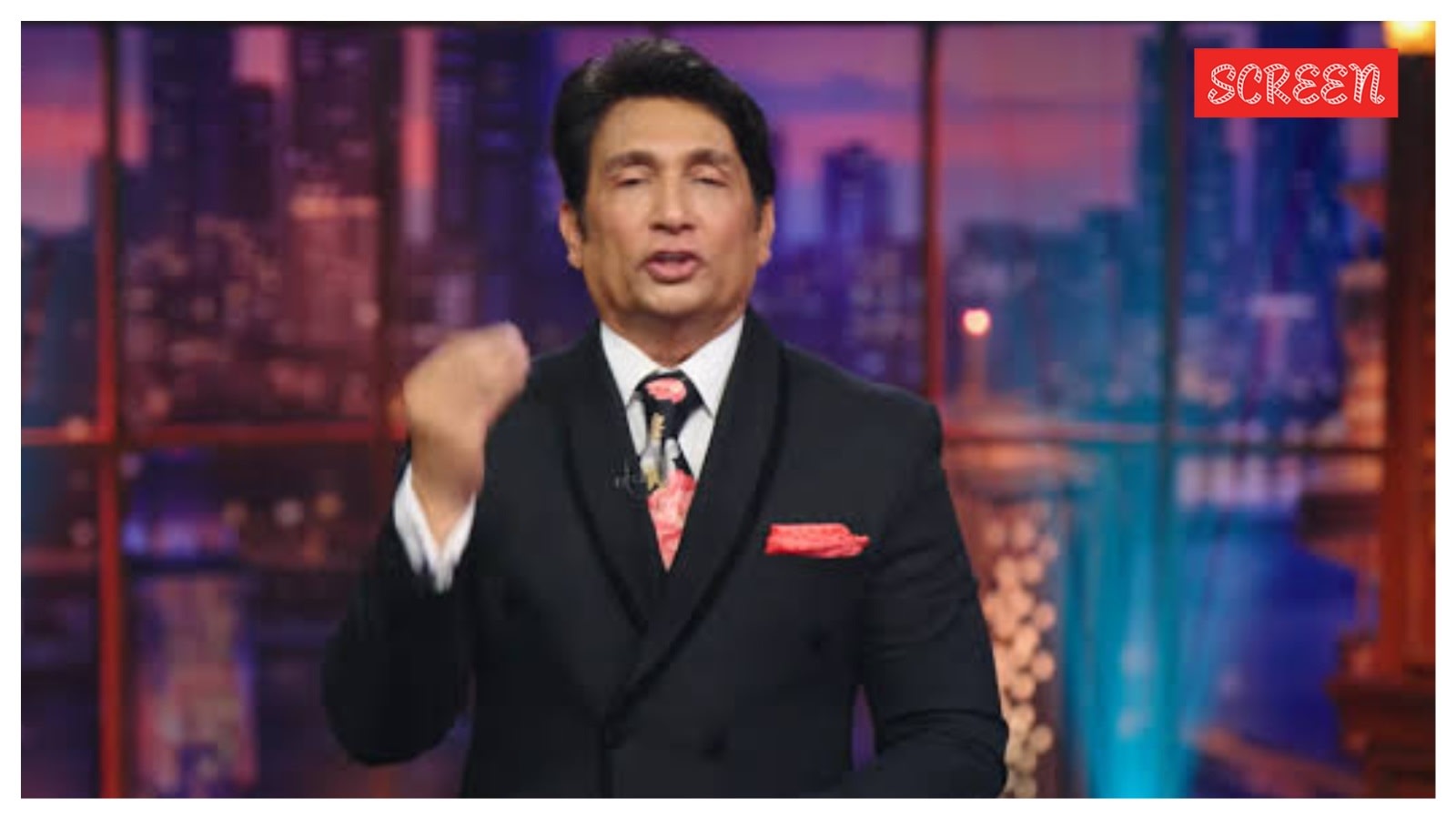
Actor Shekhar Suman has clarified that his satire show 'Shekhar Tonite' is not politically biased against the BJP, citing his long history of balanced political critique. He also opened up about the profound grief of losing his son Aayush at age 11, revealing how financial hardship during that tragedy forced his return to television.
Shekhar Suman: Navigating Political Satire and Personal Tragedy
The Nuance of Satire in Modern Politics
Actor and television personality Shekhar Suman has recently stepped into the spotlight to clarify the intent behind his current YouTube satire show, Shekhar Tonite. Addressing widespread public perception that his content is specifically curated to target the ruling Bharatiya Janata Party (BJP), Suman firmly rejected these labels. He argues that his satire is not an act of political hostility but rather a fundamental exercise in civic accountability. By comparing the government to a "class monitor," Suman emphasizes that his critique is directed at the role of governance itself, regardless of which party holds the reins of power at the Centre.
Historical Precedent and Prime Ministerial Reception
To bolster his stance, Suman pointed to his long-standing career in political commentary, most notably his iconic 1997 show Movers & Shakers. He noted that his brand of humor flourished during both BJP-led and Congress-led administrations, proving that his critique is a consistent feature of his professional identity rather than a partisan tool. Furthermore, Suman shared insights into his interactions with political figures, revealing that members of the BJP have actually lauded his work. He explicitly stated that Prime Minister Narendra Modi possesses the confidence to engage with satire, suggesting that the leader does not view biting monologues as a sign of weakness or a personal affront.
The Weight of Personal Loss
Beyond the political discourse, Suman provided a poignant look into the most harrowing chapter of his life: the loss of his eldest son, Aayush. At the age of 11, Aayush was diagnosed with a terminal illness, a tragedy that shattered the actor’s world. Suman described the helplessness of a father hearing the final plea of "Papa, save me," a memory that clearly remains a defining, painful anchor in his life. This period was not only emotionally devastating but also financially crippling, as the family faced the immense burden of medical costs during a time when Suman’s career was in a significant lull.
Professional Resilience Amidst Grief
The intersection of Suman’s professional life and personal tragedy is a testament to the harsh realities of the entertainment industry. During the time of Aayush’s illness, Suman found himself in the unenviable position of having to seek work despite being emotionally broken. He admitted that he accepted television offers he initially had no interest in simply to ensure he could care for his son. His refusal to accept financial help from home highlights a deep sense of pride and responsibility, even as he faced the "ruined and destroyed" reality of a parent losing a child.
Synthesis and Broader Implications
When viewed together, these two narratives—the public satirist and the grieving father—paint a complex portrait of a resilient public figure. Suman’s ability to maintain a satirical platform while navigating profound personal loss speaks to the duality of his public persona. His insistence that his show is not a political weapon serves as a reminder of the importance of nuance in political discourse. In an era where digital content is often polarized, Suman’s approach reflects a seasoned understanding that satire, when executed with integrity, serves as a mirror for power rather than a sword for partisan agendas.
Conclusion
Ultimately, Shekhar Suman’s reflections offer a rare, humanizing look at a veteran performer. By separating his professional critique from his personal tragedy, he provides clarity on the motivations behind his work. Whether he is dissecting the actions of a "class monitor" or reflecting on the life of his late son, Suman’s perspective remains rooted in the belief that accountability and personal endurance are essential threads in the fabric of a public life.