‘Raju Srivastav deserved to win The Great Indian Laughter Challenge’: Shekhar Suman
Source Entity
The Indian Express
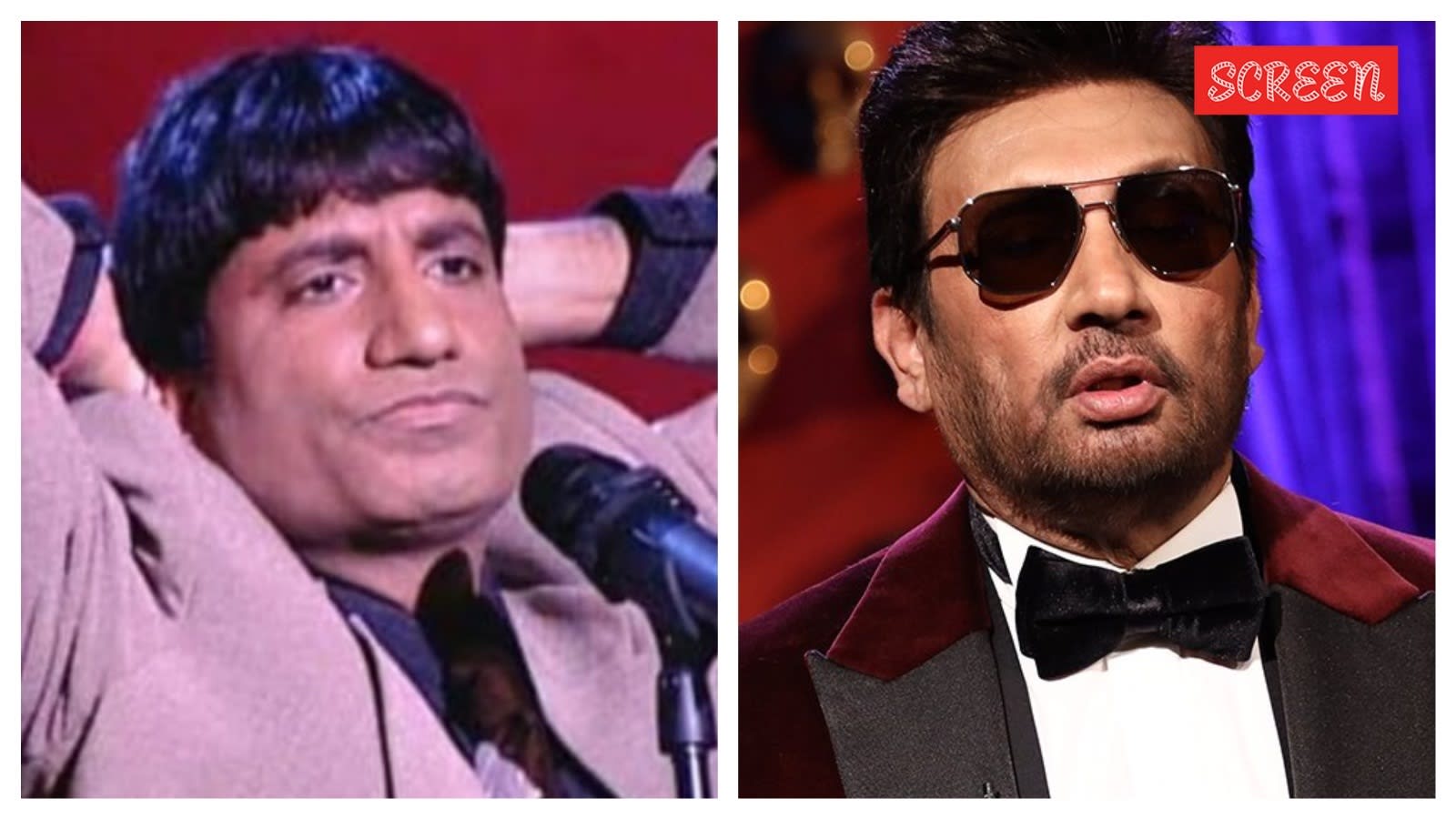
Shekhar Suman reflects on his role as a judge for The Great Indian Laughter Challenge, advocating for the late Raju Srivastav's talent. He also details his career pivot to television, necessitated by the financial strain of his son's medical treatment in the 1990s.
The Legacy of The Great Indian Laughter Challenge
Shekhar Suman’s recent reflections offer a poignant look back at the origins of India’s stand-up comedy landscape. Serving as a judge on The Great Indian Laughter Challenge alongside Navjot Singh Sidhu from 2005 to 2017, Suman was at the forefront of a cultural shift. His candid admission that he believed the late Raju Srivastav deserved to win the inaugural season underscores the subjective nature of reality television and the deep professional respect between these titans of Indian comedy.
The Dilemma of a Comedian’s Reputation
Suman’s recollection of his conversation with Raju Srivastav highlights the anxieties inherent in the early days of reality talent shows. Srivastav, already an established name, feared that losing to unknown contestants would damage his reputation. This moment of vulnerability reveals the high stakes involved for performers transitioning into the competitive, judge-led format of televised comedy, which ultimately became a launchpad for a new generation of Indian humorists.
A Career Pivot Born of Necessity
Beyond his judging career, Shekhar Suman’s trajectory serves as a masterclass in professional resilience. His journey in Mumbai began with a high-profile start in Girish Karnad's Utsav opposite Rekha. However, the industry’s volatility soon left him without work during a period of immense personal crisis. When his son Aayush was diagnosed with a terminal illness, Suman faced a dire financial reality that necessitated a shift away from his cinematic aspirations.
The Rise of the Television Icon
Initially viewing television as a professional compromise, Suman’s pragmatic decision to enter the medium turned into an era of unprecedented success. By 1997, he had achieved the status of the highest-paid actor on Indian television, earning Rs 35 crore. This transformation from a struggling film actor to a television powerhouse illustrates how personal adversity can sometimes force a redirection that leads to long-term professional dominance.
Broader Implications for the Entertainment Industry
Suman’s story is emblematic of the broader evolution of Indian entertainment. The 1990s and early 2000s marked a transition where television began to offer the stability and reach that theater and film often could not provide for character actors and comedians. His career path reflects the democratization of fame, where television became an equalizing force, allowing artists to support their families while building a massive, loyal audience.
Conclusion
Ultimately, Shekhar Suman’s insights remind us that the public personas of icons are often built upon a foundation of private struggle. Whether it was the high-pressure environment of The Great Indian Laughter Challenge or the desperate need to fund medical care for his son, Suman’s career is defined by his ability to pivot under pressure. His tribute to Raju Srivastav serves as a final testament to the camaraderie shared by those who helped define the golden age of Indian television comedy.