Limiting Nuclear Weapons Will Be Hard, Says Trump After Meetings With Xi, Putin
Source Entity
NDTV News Search Records Found 1000
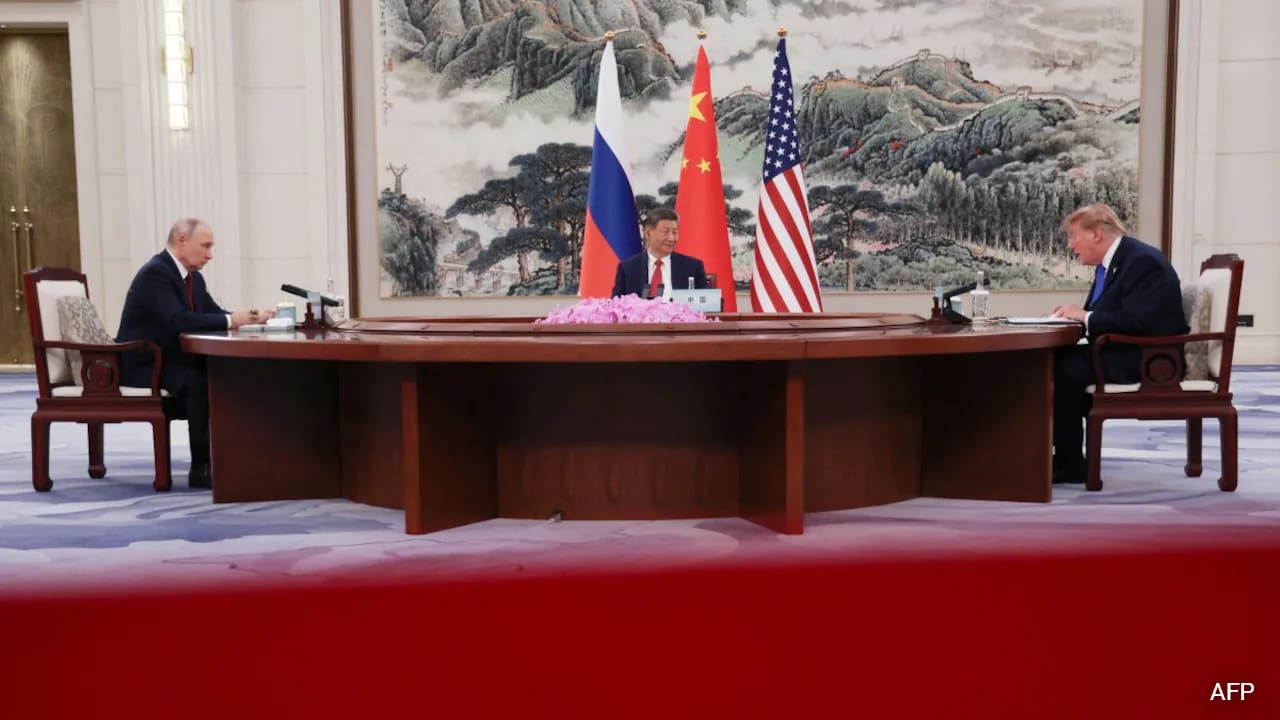
US President Donald Trump, Chinese President Xi Jinping, and Russian President Vladimir Putin are convening in Shenzhen to discuss nuclear arms control and regional conflicts. The summit aims to navigate complex trade tensions and global security challenges, potentially reshaping the modern international order.
The Shenzhen Summit: A New Geopolitical Pivot
The gathering of US President Donald Trump, Chinese President Xi Jinping, and Russian President Vladimir Putin in Shenzhen represents a rare and high-stakes convergence of global power. By convening on the sidelines of the APEC Economic Leaders' Summit, these three leaders are attempting to address the most pressing security and economic dilemmas of the current era. The symbolic weight of this meeting, often compared to the historic Yalta Conference, underscores the participants' shared recognition that the current international framework is under significant strain and requires direct, high-level intervention.
The Nuclear Challenge and Strategic Stability
At the core of the agenda is the urgent issue of nuclear arms control. President Trump has identified the initiation of three-way talks as a primary objective of his trip. Given that the existing global architecture for arms limitation is frayed, bringing Moscow and Beijing into a trilateral dialogue with Washington is a monumental task. The success of these discussions will depend on whether the leaders can move beyond transactional diplomacy to establish a new, durable framework for strategic stability that accounts for modern advancements in nuclear capabilities.
Navigating Regional Conflicts and Global Security
Beyond nuclear concerns, the summit is tasked with addressing active regional conflicts, specifically the wars in Ukraine and Iran. These conflicts have polarized international relations and created significant instability. The ability of the three leaders to find common ground—or at least a framework for de-escalation—could be the deciding factor in preventing further global spillover. While personal relationships between the leaders may play a role, the profound divergence in their strategic interests remains a formidable hurdle to any concrete peace agreements.
Economic Liberalization and Trade Rivalries
President Xi Jinping’s call for the removal of trade and investment barriers at the APEC forum serves as a critical precursor to the trilateral talks. By signaling a willingness to cut tariffs and expand market access, China is attempting to recalibrate the narrative surrounding its economic policies. This push for reform is intrinsically linked to the broader rivalry between the US and China, particularly in the high-stakes race for artificial intelligence dominance and technological supremacy, which looms large over the current diplomatic proceedings.
The Future of Global Order
As these three powers deliberate, the implications for the future of the global order are profound. The Shenzhen meeting highlights a shift from multilateralism toward a more concentrated power dynamic where the world's most influential actors attempt to manage crises through exclusive, high-level negotiation. The outcome of these discussions will likely dictate the trajectory of international trade, the stability of key geopolitical regions, and the effectiveness of future disarmament efforts for years to come.
Multiple Citing Sources
Verification Required?