Iran-US War News Live Updates: Trump Says US 'Not Finished At All' With Iran
Source Entity
NDTV News Search Records Found 1000
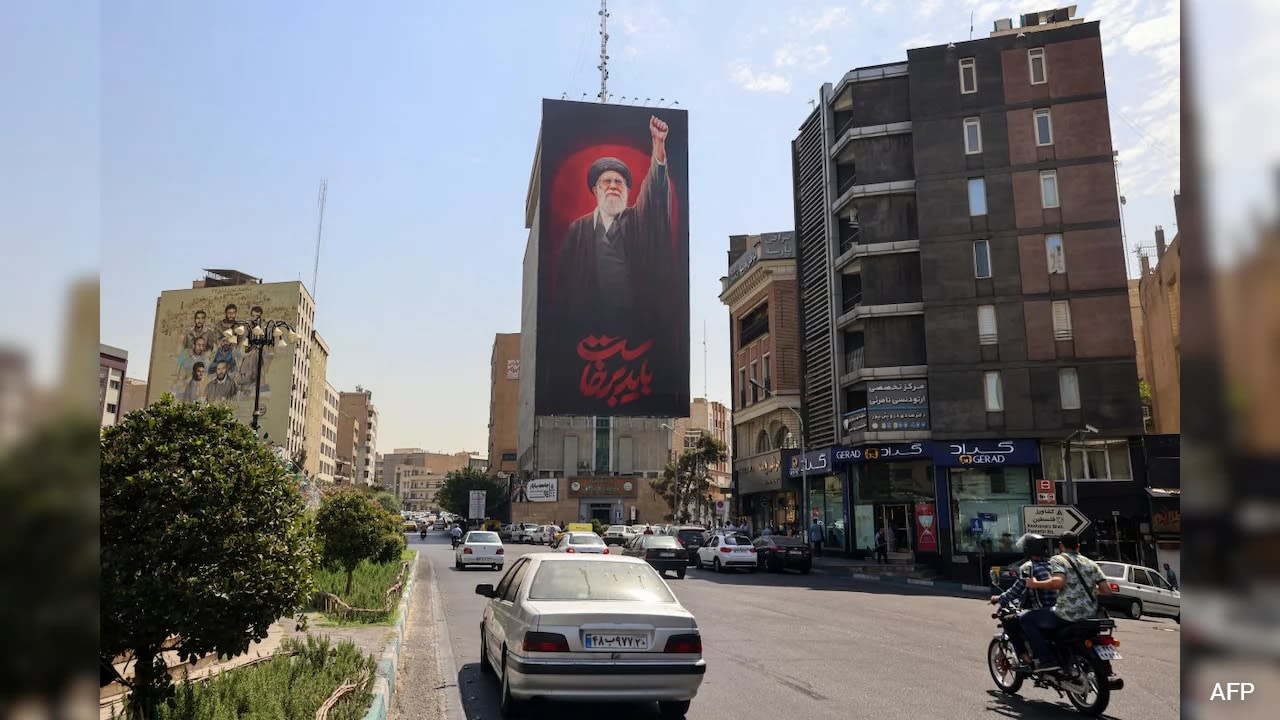
Shipping through the Strait of Hormuz has stalled due to escalating regional tensions and recent attacks on merchant vessels. In response, shipowners have offered six-fold pay increases to sailors willing to navigate the high-risk maritime chokepoint.
Maritime Crisis in the Strait of Hormuz
The Strait of Hormuz, a critical maritime chokepoint through which a significant portion of the world's oil transits, has effectively become a no-go zone for global commerce. Recent reports confirm that shipping through this vital artery has largely stalled, a direct consequence of the intensifying geopolitical friction between Iran and the United States. This paralysis of trade underscores the fragility of global supply chains when confronted with regional military instability.
The Human Cost of High-Risk Transit
In a desperate attempt to maintain supply lines despite the volatile security environment, reports have emerged that shipowners are offering sailors six-fold pay increases to navigate the Strait. This unprecedented financial incentive highlights the extreme danger currently faced by merchant mariners. The proposal, which was circulated just prior to the latest round of attacks on merchant vessels this past Monday, reflects a desperate gamble by shipping firms to bypass the logistical gridlock caused by the ongoing standoff.
Escalating Rhetoric and Regional Instability
The situation is further complicated by the hardening stances of political leaders. Former U.S. President Donald Trump has publicly stated that the United States is 'not finished at all' with Iran, signaling a potential for further escalation rather than de-escalation. This rhetoric serves to heighten the perceived risk for maritime insurers and shipping companies, effectively pricing many vessels out of the region and contributing to the current cessation of transit.
The Broader Economic Implications
When shipping through such a pivotal corridor stalls, the global economy faces immediate ripple effects, particularly regarding energy prices. Historically, the Strait of Hormuz has served as a barometer for Middle Eastern stability; when the flow of goods is interrupted, the impact is felt instantly in global markets. The decision to offer exorbitant hazard pay to crew members is a clear indicator that the market currently views the Strait as a war zone rather than a standard commercial route.
Future Trends and Security Outlook
Looking forward, the reliance on financial incentives to secure transit is unlikely to be a sustainable solution if the security environment continues to deteriorate. Unless there is a diplomatic breakthrough to stabilize the region, the combination of targeted attacks on vessels and aggressive political posturing suggests that shipping volumes will remain suppressed. The industry will likely continue to face a difficult choice: absorb the massive costs of rerouting or face the extreme risks associated with navigating a contested waterway.
Multiple Citing Sources
Verification Required?