Protest in Shivamogga over allowing students of private university and engineering course to apply for Agriculture Officer post
Source Entity
India Latest News: Top National Headlines Today & Breaking News | The Hindu
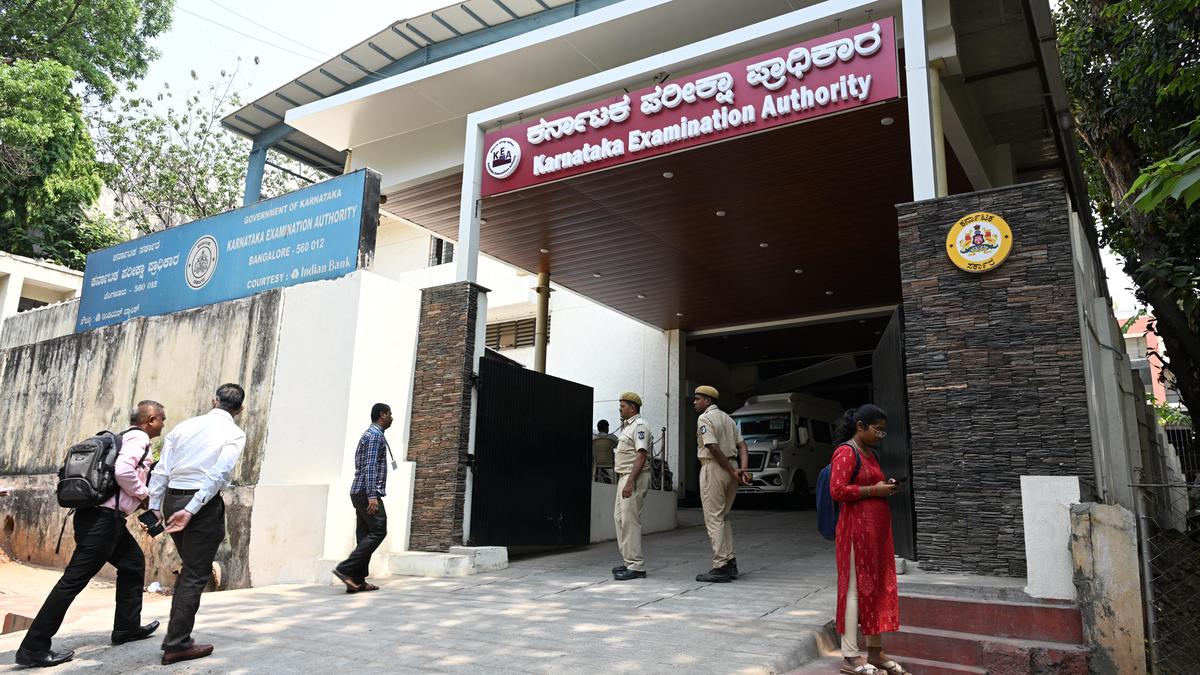
Protests have broken out in Shivamogga after the Karnataka Examination Authority (KEA) expanded eligibility for Agriculture Officer and Assistant AO posts to include graduates from Rai Technology University and those with B.E. degrees in Biotechnology, sparking concerns over professional standards.
Controversy Erupts in Shivamogga Over Agriculture Officer Eligibility
A wave of protests has gripped Shivamogga as aspiring candidates and student groups voice their opposition to a recent decision by the Karnataka Examination Authority (KEA). The unrest stems from a controversial modification in the eligibility criteria for the recruitment of Agriculture Officers (AO) and Assistant Agriculture Officers. The KEA has reportedly allowed candidates holding a B.Sc. (Agriculture) degree from Rai Technology University, a private institution, as well as those with a B.E. degree in Biotechnology, to apply for these specialized government roles. This move has been perceived by many traditional agricultural graduates as a dilution of professional standards and an unfair expansion of the candidate pool.
The Core of the Dispute: Academic Specialization vs. Generalization
At the heart of this conflict is the distinction between core agricultural sciences and allied technical degrees. Traditionally, the role of an Agriculture Officer requires deep, field-based knowledge of agronomy, soil science, and crop pathology—skills typically honed in specialized agricultural universities. By allowing B.E. Biotechnology graduates to compete for these posts, the KEA has sparked a debate over whether a biotechnology degree, which is often more lab-centric and theoretical, adequately prepares a candidate for the practical, on-ground challenges of agricultural administration. Protesters argue that this overlap ignores the specific pedagogical requirements of the AO role, potentially compromising the quality of guidance provided to farmers.
Private Universities and the Credibility Gap
The inclusion of graduates from Rai Technology University adds another layer of complexity to the protest. In India, there is often a systemic tension between graduates of state-funded, prestigious agricultural universities and those from private institutions. Critics argue that private universities may not always adhere to the rigorous practical training and field-work mandates required for government agricultural service. The protesters in Shivamogga are likely reacting to what they perceive as an erosion of the meritocratic barrier that ensures only those with recognized, standardized agricultural training enter the civil service.
Broader Implications for Public Administration
This event reflects a broader trend in Indian public sector recruitment where the definition of "equivalent qualifications" becomes a legal and social battleground. When recruitment bodies like the KEA broaden eligibility to include allied degrees, they often do so to increase the applicant pool or modernize the workforce. However, such decisions frequently lead to litigation in High Courts, as aggrieved candidates file Public Interest Litigations (PILs) to challenge the eligibility criteria. If the KEA does not address these concerns, the recruitment process for Agriculture Officers could face significant delays, leaving critical administrative vacancies unfilled in the agricultural sector.
Impact on the Farming Community
Beyond the academic debate, there is a significant concern regarding the end-user: the farmer. The Agriculture Officer is the primary link between government research and the farmer's field. If the appointment process prioritizes degrees that lack a strong foundation in traditional field agriculture, there is a risk that the extension services provided to farmers will suffer. The protests in Shivamogga are not merely about job competition; they are an expression of concern that the technical competence of the state's agricultural leadership could be diluted, ultimately affecting crop yields and rural development.
Future Outlook and Potential Resolutions
Moving forward, it is likely that the KEA will be pressured to either clarify the specific equivalence of the B.E. Biotechnology degree or introduce a tiered examination system that tests core agricultural competencies regardless of the degree source. We can expect a period of heightened tension and potential legal challenges as student unions seek a formal reversal of this decision. To restore stability, the state government may need to establish a permanent committee to standardize "equivalent degrees" for technical posts, ensuring that recruitment is based on functional competency rather than broad academic categories.
Summary
The Shivamogga protests highlight a critical friction point between evolving educational qualifications and traditional professional requirements in government service. The KEA's decision to allow private university and Biotechnology graduates to apply for Agriculture Officer posts has triggered a debate on merit, specialization, and the future of agricultural administration in Karnataka.
Verification Required?