Gill's chase at Edgbaston showed why India already have Kohli's ODI heir
Source Entity
TANUJ LAKHINA
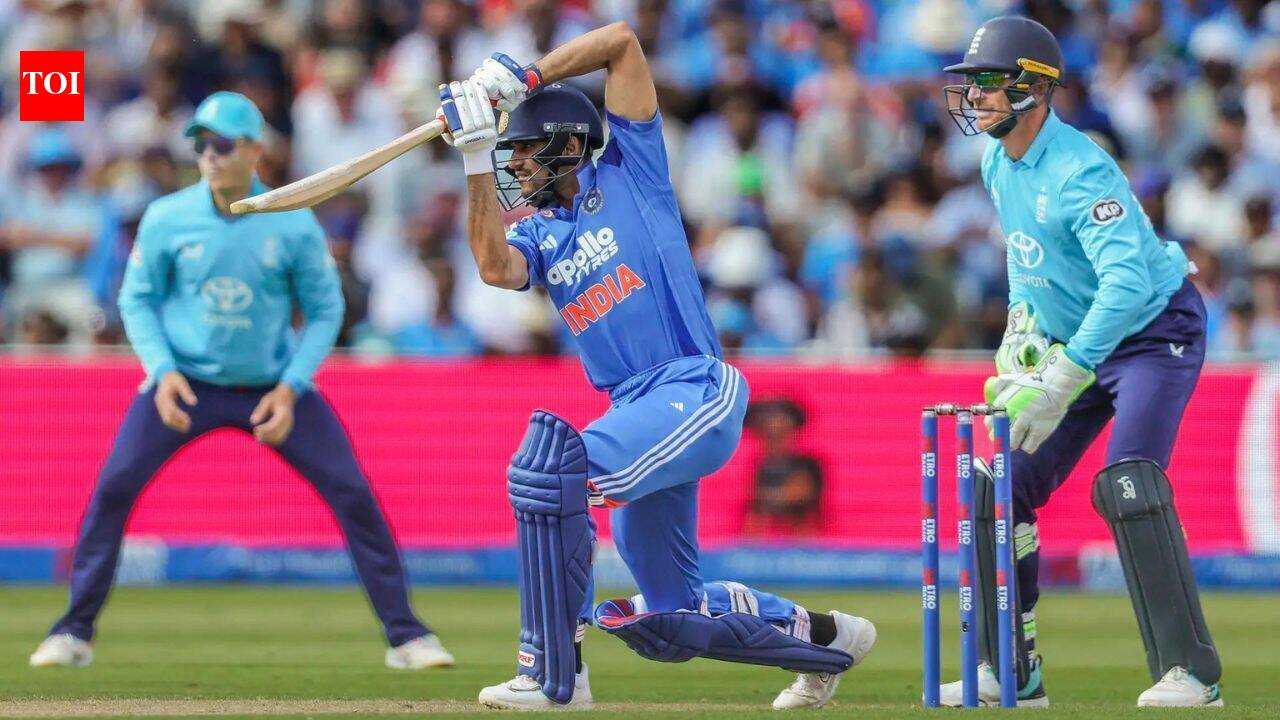
Shubman Gill's unbeaten 80 in the first ODI against England at Edgbaston underscores his evolution into a calculated chase specialist, drawing significant parallels to Virat Kohli's mastery of the format.
The Emergence of a New Anchor: Analyzing Shubman Gill's Masterclass at Edgbaston
In the high-pressure environment of the first ODI at Edgbaston, Shubman Gill delivered a performance that transcended a mere statistical contribution. His unbeaten 80 was not just about the runs scored, but about the manner in which they were accumulated. In a match where the surface favored seamers—making early wickets a constant threat—Gill demonstrated a maturity that is rarely seen in players of his age. By prioritizing stability over reckless aggression, he managed to steer India through a precarious chase, proving that he possesses the technical acumen to handle hostile conditions.
The Art of the Calculated Chase
What distinguished Gill's innings was his adherence to the philosophy of "calculated batting." While modern ODI cricket often leans toward a high-risk, high-reward approach from the first over, Gill opted for a strategic rebuild. After India suffered early setbacks, the psychological burden on the remaining batsmen increased. Gill's ability to absorb pressure and rotate the strike without compromising the wicket is a hallmark of a seasoned professional. This approach allowed India to maintain a sustainable run rate while ensuring they didn't collapse, effectively neutralizing the English bowling attack's early momentum.
Mental Fortitude and the Kohli Parallel
One of the most striking aspects of the innings was Gill's resilience in the face of physical adversity. Despite suffering from cramps—which often lead to a lapse in concentration or a decline in shot selection—Gill remained composed. This mental toughness is where the comparison to Virat Kohli becomes most apt. Kohli's legacy in ODI cricket is built upon his supernatural ability to calculate the required rate and execute a chase with surgical precision. By mimicking this composure, Gill is signaling that he is not just a talented stroke-player, but a tactical asset who can manage the emotional and physical tolls of a long innings.
Strategic Implications for Team India
From a strategic standpoint, Gill's performance addresses a critical need for the Indian national team: a reliable successor to Kohli in the top order. The transition of legendary players is often the most volatile period for a sports team, but Gill's ability to act as the "anchor" provides a safety net for the more aggressive hitters in the lineup. By taking the responsibility of rebuilding after a collapse, he allows the middle order to play with more freedom, knowing that there is a stable hand at the other end. This shift in dynamics is essential for India's longevity in white-ball cricket.
The Cardiff Uncertainty and Future Outlook
Despite the triumph at Edgbaston, a cloud of uncertainty hangs over the second ODI in Cardiff due to the cramps Gill experienced. This highlights the precarious balance between peak performance and physical sustainability. However, the benchmark has now been set. If Gill can maintain this level of calculated aggression and mental clarity, he will likely cement his position as India's premier chase specialist. The upcoming matches will be a test of whether this performance was an isolated brilliance or the definitive arrival of a new era in Indian batting.
Conclusion
Shubman Gill's unbeaten 80 was a statement of intent. By blending technical discipline with a calm temperament, he has proven that he can handle the rigors of a seamer-friendly English pitch while carrying the weight of a chase. As India looks toward the future, Gill appears to be the natural heir to the throne of the ODI chase, offering a blend of stability and acceleration that is vital for success on the world stage.