Decoding Karnataka’s sting operation row and the unanswered questions
Source Entity
Latest News: Todays Latest News Headlines from India & World | Hindustan Times | Hindustan Times
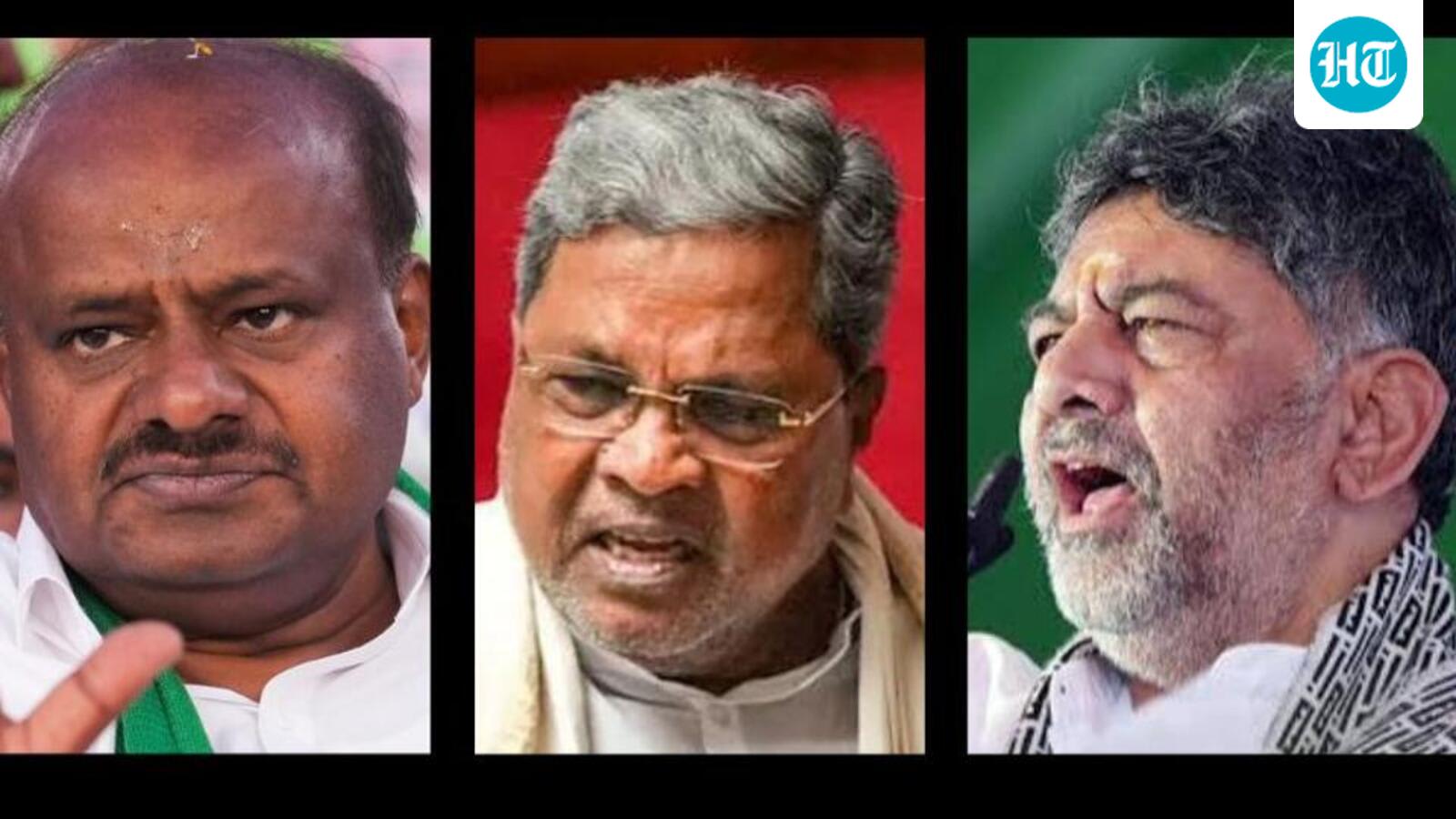
Bengaluru police have launched an investigation into a fabricated sting video targeting former Karnataka CM Siddaramaiah. The row has sparked intense political conflict between H.D. Kumaraswamy and D.K. Shivakumar, leading to legal action and media restrictions.
The Karnataka Sting Operation Scandal: A Political Firestorm
Origins of the Controversy
The political landscape of Karnataka has been thrown into turmoil following the emergence of an alleged sting operation targeting former Chief Minister Siddaramaiah. The controversy centers on a video, purportedly filmed in 2023 but referencing incidents from 2011—a time when Siddaramaiah served as the Leader of the Opposition. The Bengaluru cybercrime police have officially registered a case, acting on a complaint filed on October 6, which alleges that the content was fabricated and circulated through a YouTube channel with the intent of defamation and extortion.
Legal and Criminal Implications
The legal ramifications of this case are significant, as authorities have filed charges encompassing identity theft, forgery, and extortion. The investigation into the YouTube channel suggests a sophisticated attempt to disseminate misinformation using fake social media identities. The gravity of these charges reflects the state's intent to curb the proliferation of deepfakes and doctored media that threaten the integrity of public officials. Furthermore, a Bengaluru court has taken the extraordinary step of restraining 42 media outlets from broadcasting the disputed footage, highlighting the judiciary's role in mitigating potential defamation during ongoing investigations.
Political Accusations and Counter-Accusations
The situation has escalated into a direct confrontation between major political figures. Union Minister H.D. Kumaraswamy has publicly accused Deputy Chief Minister D.K. Shivakumar of orchestrating the entire operation to destabilize Siddaramaiah’s position. Kumaraswamy’s allegations extend to the police force, which he claims is unfairly targeting Janata Dal (Secular) workers as part of a retaliatory measure. These accusations underscore the deep-seated factionalism currently defining Karnataka’s political discourse.
State Response and Internal Friction
Despite the gravity of the accusations, the state Cabinet, after deliberating the matter for over an hour, opted against forming a Special Investigation Team (SIT). This decision has drawn criticism from the opposition, who argue that an independent probe is necessary to clear the air. The refusal to escalate the investigation to an SIT suggests that the current administration prefers to keep the probe within the existing legal framework, though this has only served to fuel further skepticism from rival parties.
Broader Implications for Digital Governance
This incident serves as a critical case study in the intersection of digital misinformation and regional governance. The use of "fake stings" as a political tool is a growing trend, posing a severe threat to democratic processes. As the Bengaluru police continue their investigation, the case will likely set a precedent for how the state handles digital impersonation and the dissemination of unverified, damaging content. The outcome will not only affect the careers of the involved politicians but will also influence the future of media regulation in the state.
Conclusion
The sting operation row remains a volatile issue, characterized by legal battles, partisan accusations, and intense media scrutiny. With the police investigation underway and judicial orders in place to restrict the spread of the video, the focus now shifts to whether the authorities can successfully identify the orchestrators behind the YouTube channel. Until then, the incident remains a stark reminder of the vulnerability of political reputations to coordinated digital campaigns.
Verification Required?