2 coaches of Sikkim Mahananda Express derail in Bihar after red signal overshoot
Source Entity
Anish Mondal
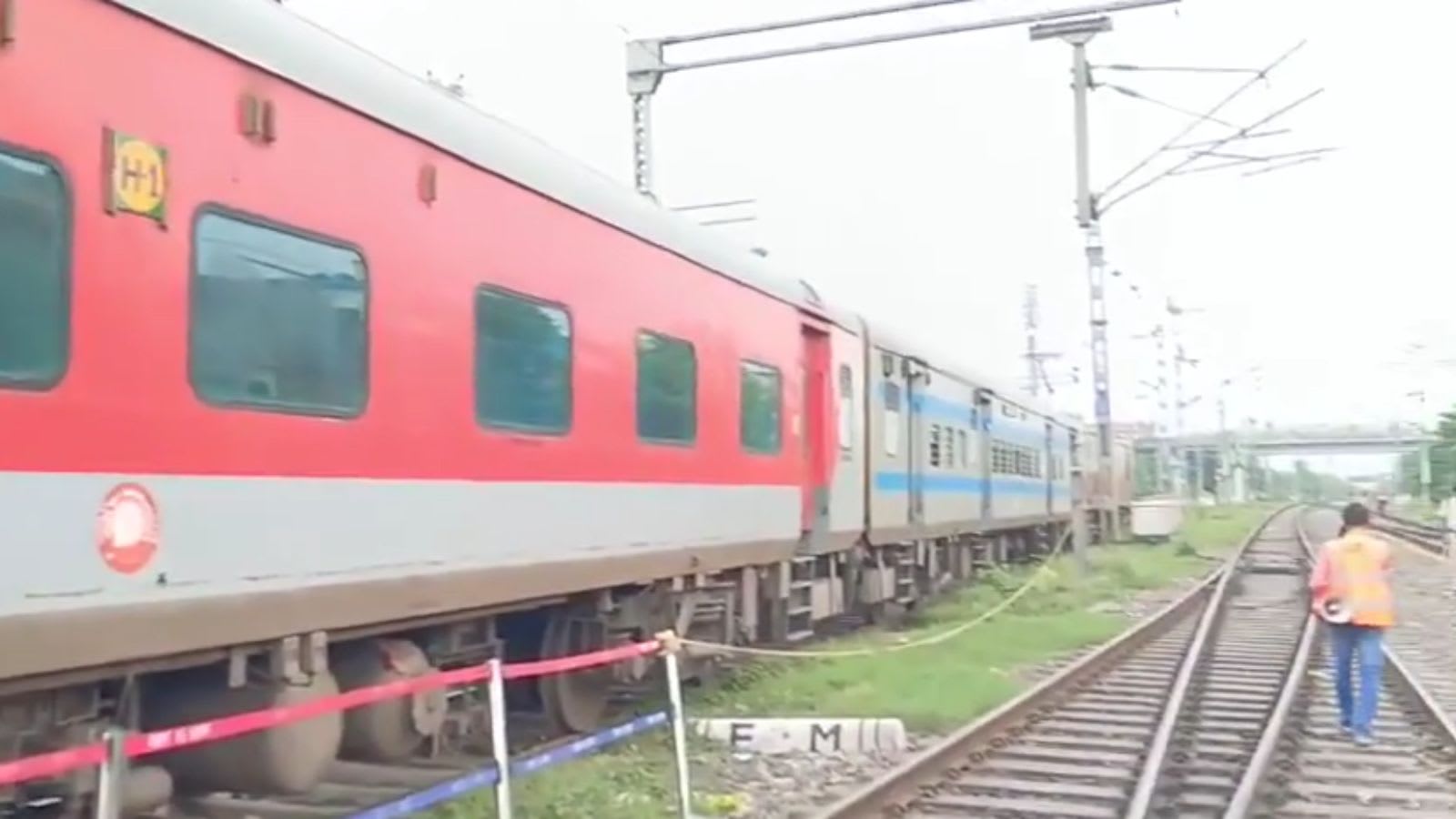
Two coaches of the Delhi-bound Sikkim Mahananda Express derailed near Ara, Bihar, after the train overshot a red signal. No injuries were reported, and railway authorities are currently working to restore normal operations.
Incident Overview: Sikkim Mahananda Express Derailment
In the early hours of Sunday, a significant rail incident occurred near the Ara railway station in Bihar, involving the Delhi-bound Sikkim Mahananda Express. According to official reports, two coaches of the passenger train derailed, causing immediate concern for rail safety and passenger transit. Fortunately, the incident resulted in no injuries, a detail that marks a positive outcome in an otherwise alarming situation involving heavy rail transport.
Root Cause Analysis: The Human Element
Initial investigations conducted by the East Central Railway (ECR) point toward a specific operational error: the train overshot a red signal. Saraswati Chandra, the Chief Public Relations Officer (CPRO) of the East Central Railway, clarified that the incident occurred at approximately 4 am shortly after the train departed from the Ara station. The preliminary findings suggest that the locomotive drivers misjudged the signal aspect, leading to the derailment. This underscores the critical importance of signal compliance and the potential risks inherent in human-operated rail systems.
Administrative Oversight and Jurisdiction
Ara railway station, the site of the incident, operates under the jurisdiction of the Danapur Division of the East Central Railway. This division is responsible for maintaining safety standards and operational protocols across one of the busiest rail corridors in India. The fact that the derailment occurred shortly after departure suggests a need for a deeper review of protocols regarding signal adherence during the early morning hours, where fatigue or visibility factors may play a role in human performance.
Operational Impact and Restoration Efforts
Following the derailment, rail traffic in the region was partially affected, causing disruptions for commuters and long-distance travelers alike. Railway authorities have initiated a 'war footing' response to clear the tracks and restore normal operations. These efforts are essential to minimize the cascading delays that typically follow such incidents on major trunk routes, which are often congested with high-frequency passenger and freight traffic.
Broader Implications for Rail Safety
While this incident resulted in no casualties, it serves as a stark reminder of the complexities involved in maintaining safety on the Indian Railways network. The reliance on human judgment for signal interpretation remains a focal point for safety audits. As the railway continues to modernize, the integration of automated safety systems—such as Kavach, the indigenous Automatic Train Protection system—becomes increasingly vital to prevent human error from resulting in derailments or collisions.
Conclusion and Future Outlook
As the investigation into the Sikkim Mahananda Express derailment concludes, the focus will likely shift toward retraining staff and reinforcing strict adherence to signaling protocols. Ensuring that drivers are adequately supported and that infrastructure is robust enough to prevent such errors is paramount. The swift restoration of services remains the immediate priority for the Danapur Division, while the long-term goal remains the prevention of similar incidents through enhanced training and technological intervention.