Several students accuse JNU professor of sexual harassment
Source Entity
SUGANDHA JHA
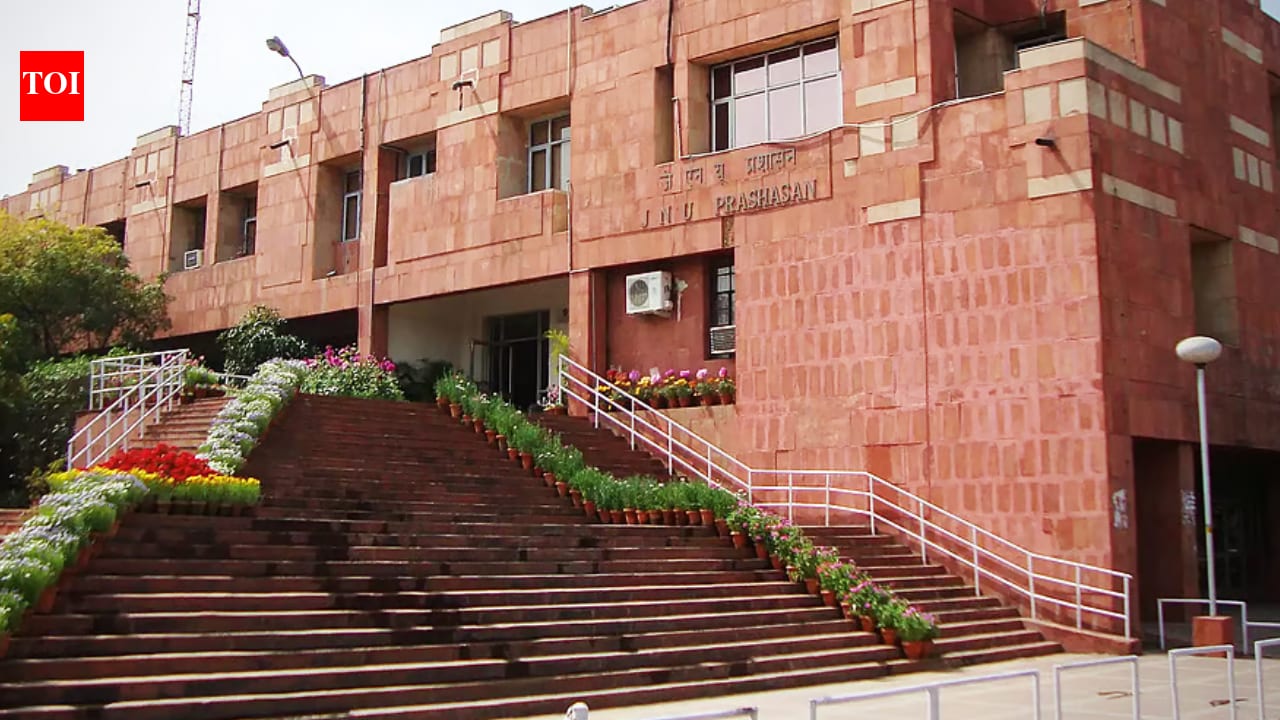
Jawaharlal Nehru University is investigating allegations of sexual harassment against a professor following complaints from 11 students. The university's Internal Complaints Committee is currently conducting a probe into claims of inappropriate conduct during home visits and classroom interactions.
Allegations of Misconduct at JNU
Jawaharlal Nehru University (JNU), one of India's most prominent academic institutions, is currently embroiled in a serious controversy involving allegations of sexual harassment against a faculty member. Reports indicate that at least 11 students have formally approached the university’s Internal Complaints Committee (ICC) to lodge grievances regarding the professor's conduct. These allegations, which began surfacing in May, paint a disturbing picture of academic power dynamics being exploited within the campus environment.
Nature of the Allegations
The complaints detail a pattern of behavior that extends beyond the classroom. According to sources, the professor, who resides on the JNU campus, allegedly invited students to his home for gatherings where he purportedly made unwanted sexual advances. Furthermore, students have reported that the professor engaged in making lewd and inappropriate remarks during instructional hours. The fact that these complaints have been corroborated by multiple students suggests a systemic issue regarding the conduct of faculty members in their interactions with the student body.
The Role of the Internal Complaints Committee
The ICC is the primary body mandated by the Sexual Harassment of Women at Workplace (Prevention, Prohibition and Redressal) Act, 2013, to address such grievances. The committee’s ongoing probe is critical for ensuring that the investigative process is transparent and that the complainants feel supported. As the university administration remains largely silent on the specific details of the ongoing probe, the pressure on the ICC to deliver a fair and timely verdict increases, especially given the gravity of the accusations filed by the students.
Broader Institutional Context
This incident does not occur in a vacuum. JNU has previously dealt with internal disciplinary issues involving its faculty. In April of the previous year, the university’s executive council took the significant step of dismissing four staff members, including a teaching faculty member, following separate sexual harassment allegations. This history of disciplinary action highlights a recurring challenge for the administration in maintaining safe academic spaces and enforcing strict codes of conduct across its departments.
Implications and Future Outlook
The accumulation of 11 individual complaints points to a significant breach of trust between the academic staff and the student community. When senior students step forward to corroborate the experiences of newer students, it often signals a long-standing issue that may have remained underreported until now. Moving forward, the university must ensure that the investigative process remains shielded from external interference. The outcome of the ICC probe will likely serve as a litmus test for JNU’s commitment to student safety and its ability to hold senior faculty accountable for their actions, potentially influencing future university policies regarding faculty-student interactions.