12 Die, Several Fall Ill After Drinking Poisonous Liquor In Madhya Pradesh
Source Entity
NDTV News Search Records Found 1000
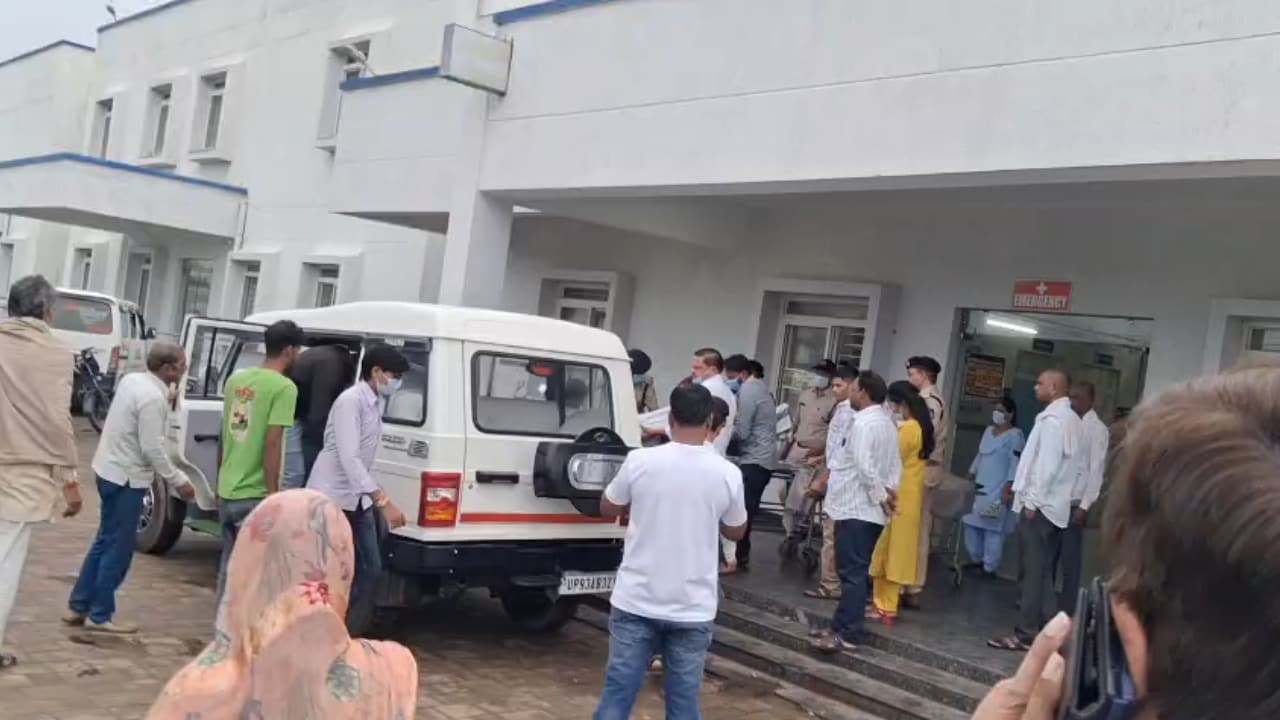
At least 11 people have died and over 30 were hospitalized in Madhya Pradesh's Sagar district following the consumption of suspected illicit liquor. Local authorities have launched medical screening drives and a magisterial inquiry to investigate the tragedy.
Tragedy in Sagar: Illicit Liquor Claims Multiple Lives
A devastating incident has unfolded in the Sagar district of Madhya Pradesh, where at least 11 villagers have lost their lives and over 30 others required hospitalization following the consumption of suspected toxic liquor. The tragedy, which occurred late Saturday night, has sent shockwaves through the region, impacting residents across four villages: Ghughar, Nauraj, Baraj, and surrounding areas. Preliminary reports from local law enforcement, including Sagar Superintendent of Police Anurag Sujania, point to the consumption of illicit alcohol as the primary cause of this mass poisoning event.
Immediate Medical Response and Containment
Upon the sudden deterioration of the victims' health—characterized by severe nausea and vomiting—the affected individuals were rushed to the Banda Civil Hospital. Medical professionals at the facility were forced to declare several victims dead upon arrival, while others were admitted in critical condition. In response to the crisis, the district administration and health departments have mobilized rapidly. Dr. Devesh Pateria, the Chief Medical and Health Officer, has overseen the deployment of specialized medical teams to the affected hotspots to provide urgent care and conduct widespread health screenings for villagers who may have been exposed.
The Systematic Issue of Illicit Alcohol
This incident highlights the persistent and dangerous prevalence of illicit, or 'hooch,' liquor in rural India. Often manufactured in unregulated, makeshift environments, these concoctions frequently contain lethal additives like methanol, which is highly toxic to the human body. The production of such spirits is driven by the demand for cheaper alternatives to licensed liquor, often bypassing excise duties and safety standards. This tragedy serves as a grim reminder of the high human cost associated with the unregulated alcohol trade, which remains a chronic public health challenge.
Administrative and Legal Repercussions
The district administration has initiated a formal magisterial inquiry to determine the exact circumstances surrounding the poisoning and to identify the supply chain responsible for the toxic substance. Chief Minister Mohan Yadav has been briefed on the situation, underscoring the gravity of the event at the state level. Such inquiries are standard procedure in cases of mass poisoning, intended to identify systemic lapses in local enforcement and to hold those responsible for the distribution of the illicit product accountable under the law.
Broader Implications and Future Trends
While the immediate priority remains the stabilization of the surviving victims, the long-term implications involve a re-evaluation of local excise enforcement and public awareness campaigns regarding the dangers of unverified alcohol. Historically, such incidents often trigger temporary crackdowns on illicit distilleries; however, the recurring nature of these tragedies suggests a need for more sustainable community-based monitoring and stricter supply-chain oversight. As the investigation progresses, the focus will likely shift toward preventing future occurrences through rigorous village-level health surveillance and intensified efforts to dismantle the networks that facilitate the sale of hazardous substances.
Multiple Citing Sources
Verification Required?