Singapore Airlines to ‘carefully consider’ capital infusion requests from loss-making Air India
Source Entity
Sukalp Sharma
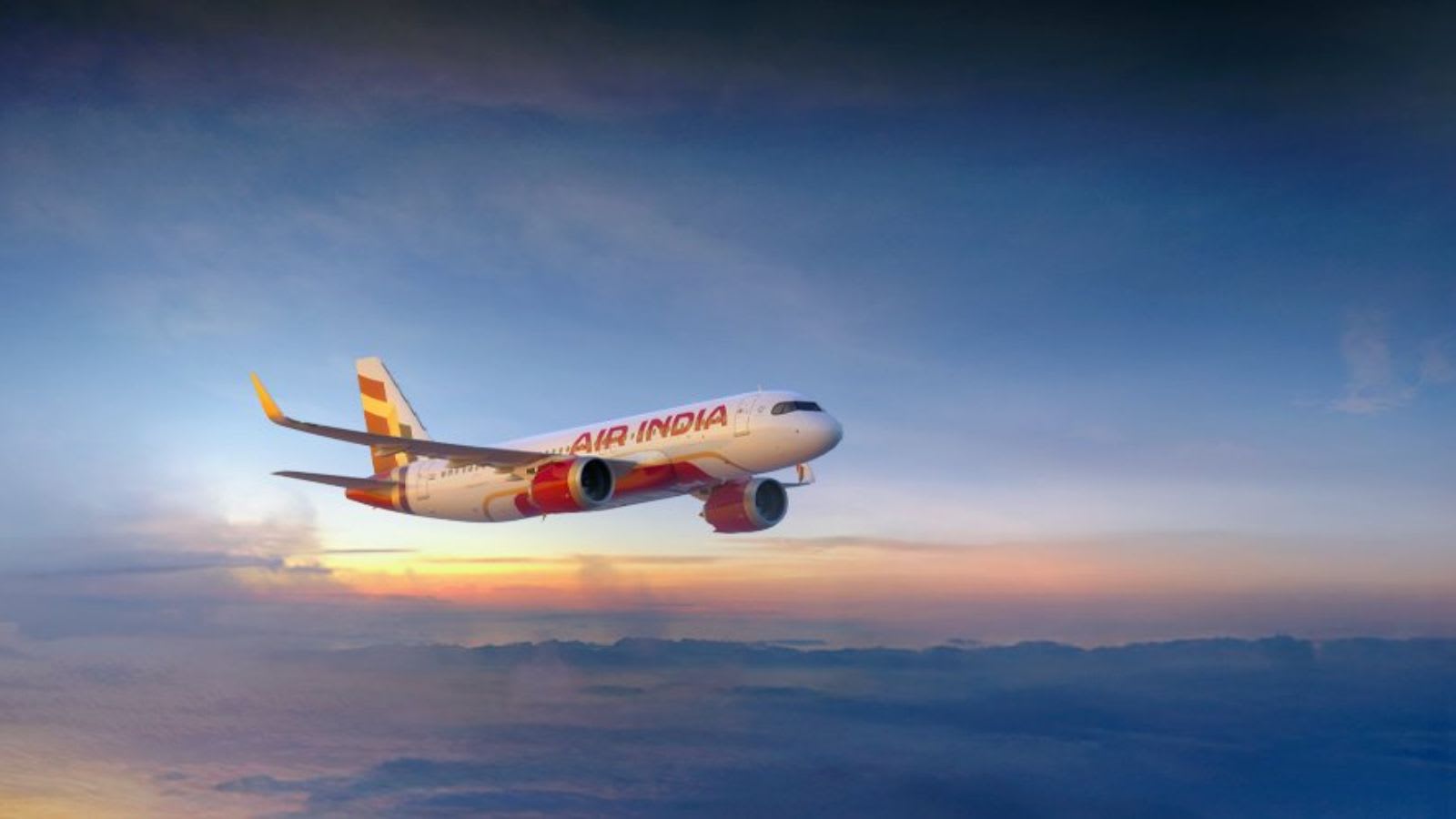
Singapore Airlines is evaluating a request for further capital infusion into Air India as the carrier faces significant financial strain. The airline's transformation efforts are currently hindered by geopolitical conflicts, airspace closures, and rising fuel costs.
Strategic Crossroads: Singapore Airlines and the Future of Air India
Singapore Airlines (SIA), holding a significant 25.1% stake in Air India, finds itself at a critical juncture regarding its investment strategy. Following reports that the loss-making Air India is seeking further capital infusion from its shareholders—Tata Sons and SIA—the Singaporean carrier has stated it will 'carefully consider' these requests. This deliberation is not merely a financial transaction but a complex balancing act that weighs Air India’s long-term business strategy against the broader capital requirements of the SIA group.
The Burden of Transformation
Air India is currently midway through an ambitious and cash-intensive transformation program. Since its acquisition by the Tata Group, the airline has aimed to modernize its fleet, upgrade service standards, and expand its global footprint. However, this aggressive expansion requires substantial liquidity. The request for additional capital underscores the immense financial pressure the airline faces as it attempts to pivot from a legacy carrier model to a competitive, modern international airline.
Geopolitical and Economic Headwinds
Beyond internal restructuring costs, Air India is grappling with a volatile external environment. The airline has been particularly impacted by the closure of Pakistani airspace, which forces longer, more fuel-expensive flight paths for westbound traffic. Furthermore, ongoing conflicts in West Asia have introduced significant operational disruptions, forcing route adjustments and increased safety protocols. These geopolitical factors, compounded by persistently high global fuel prices, have significantly eroded the airline’s operating margins.
Regulatory Scrutiny and Shareholder Relations
The situation has gained political visibility, with members of the Singaporean parliament raising concerns regarding the financial commitment to Air India. As a minority shareholder, SIA must satisfy its own stakeholders that its capital allocation remains prudent. The tension between supporting the growth of a strategic partner and maintaining fiscal discipline is a hallmark of international aviation partnerships, especially when the partner is undergoing a massive, multi-year turnaround.
Future Outlook and Strategic Implications
Looking ahead, the decision made by the SIA board will serve as a bellwether for the future of the Tata-SIA partnership. If SIA approves further funding, it signals a strong commitment to the long-term vision of Air India as a major global player. Conversely, any reluctance could suggest a recalibration of expectations regarding how quickly Air India can reach profitability. The airline's ability to navigate these challenges will ultimately determine whether it can successfully shed its legacy of losses and emerge as a resilient entity in the highly competitive Asian aviation market.