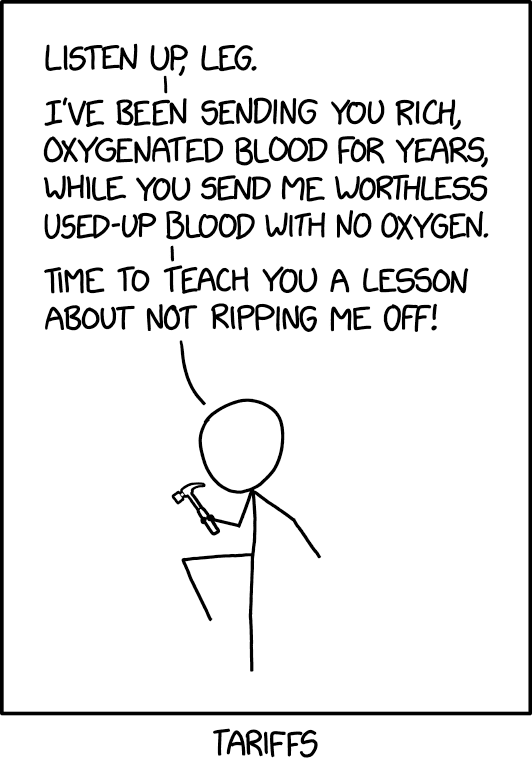
Trade (and Tariffs)
Source Entity
Hacker News
The provided content serves as a legal notice regarding the copyright licensing of comics. It specifies that the works are available for non-commercial sharing under a Creative Commons Attribution-NonCommercial 2.5 license.
Understanding Creative Commons Licensing in Media
The provided information centers on the legal framework governing the distribution of specific comic media. By utilizing a Creative Commons Attribution-NonCommercial 2.5 License, the creators have established a clear set of boundaries for how their intellectual property can be disseminated by the public. This licensing model is a cornerstone of modern digital content sharing, balancing the desire for broad reach with the necessity of protecting the creator's commercial rights.
The Mechanics of Non-Commercial Distribution
At its core, the 'Non-Commercial' (NC) clause is designed to prevent third parties from profiting from the work without explicit authorization. This distinction is vital in the digital age, where content can be easily replicated and monetized through ad-supported platforms or unauthorized sales. By clearly stating these terms, the creators ensure that while their work can circulate freely among fans and readers, the financial control of the intellectual property remains firmly in their hands.
Attribution and Digital Integrity
The 'Attribution' component of the license mandates that any shared content must credit the original creator. This is a critical aspect of intellectual property management, as it maintains the digital provenance of the work. For creators, this ensures that as their content spreads across social media or personal blogs, the association between the art and the artist remains intact, which is essential for building a professional reputation and long-term brand equity.
The Broader Implications for Digital Content
The use of such licenses reflects a shift in how independent creators approach the 'Trade' of digital goods. Rather than opting for a 'closed' copyright model, which can stifle organic growth and fan engagement, many creators now utilize these flexible frameworks to encourage discovery. This strategy often functions as a 'freemium' model, where the widespread sharing of content acts as a marketing tool, potentially leading to future commercial opportunities or commissioned work.
Future Trends in Intellectual Property
As digital platforms continue to evolve, the reliance on standardized legal frameworks like Creative Commons will likely increase. These licenses provide a middle ground between total abandonment of copyright and restrictive, litigious control. We can expect to see more creators adopting these 'open-access' styles to foster community-driven distribution, provided that the legal language remains clear and accessible to the average consumer.
Conclusion
In summary, the licensing framework provided for these comics is a strategic choice that balances open access with legal protection. By adhering to the CC BY-NC 2.5 guidelines, users can freely participate in the distribution of this content, provided they respect the commercial boundaries set by the creators. This model represents a sustainable pathway for independent art in a globalized, digital-first economy.