SIR Spotlights Identity Crisis Among Women From Other States Marrying Haryana Men
Source Entity
NDTV News Search Records Found 1000
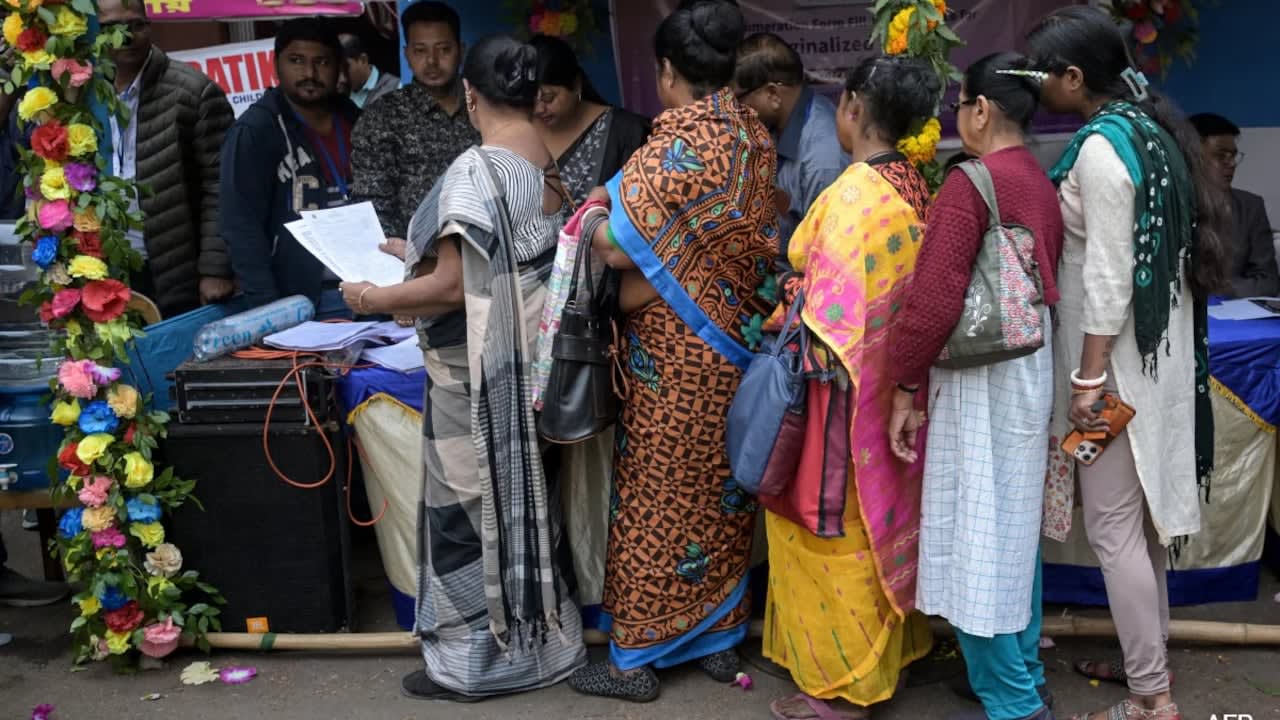
The Special Intensive Revision (SIR) of electoral rolls is highlighting administrative challenges for women from other states who marry into Haryana. This exercise underscores the complexities of residency documentation and voter registration for migrant populations.
The SIR Exercise and Identity Challenges in Haryana
The Special Intensive Revision (SIR) of electoral rolls, currently being conducted across India, serves as a critical administrative mechanism to ensure the accuracy and integrity of the national voter base. While the primary objective of this exercise is to update demographics, remove duplicate entries, and include new eligible voters, it has inadvertently spotlighted the unique identity challenges faced by women from other states who marry into families in Haryana. These women often find themselves navigating complex bureaucratic requirements to establish residency and political participation in their new home state.
The Intersection of Migration and Electoral Integrity
The SIR process necessitates rigorous documentation to verify residency, a requirement that can become a significant hurdle for those transitioning between states. For women moving to Haryana through marriage, the transition often involves shifting from their native electoral rolls to the rolls of their marital home. The administrative friction arises when these individuals struggle to provide the requisite proof of ordinary residence, a standard mandated by the Election Commission of India to prevent electoral fraud and ensure that voters have a genuine connection to their constituency.
Bureaucratic Hurdles and Social Context
In Haryana, where social structures and administrative requirements for domicile certificates can be stringent, the SIR process reveals a clear tension between national standardization and local implementation. The requirement for documents such as marriage certificates or updated address proofs often places an undue burden on women who may still be in the process of updating their personal identification documents. This creates an 'identity crisis' of sorts, where the individual’s legal status as a resident is caught between state-level documentation hurdles and the national-level mandate for electoral accuracy.
Broader Implications for Electoral Participation
This phenomenon is not merely an administrative issue; it has broader implications for political inclusion and the democratic health of the region. When women face difficulties in registering to vote, their ability to participate in local governance and state-level elections is compromised. The SIR exercise serves as a diagnostic tool for the Election Commission, highlighting where current administrative protocols might inadvertently disenfranchise migrant populations, particularly those moving for familial reasons.
Historical Context and Future Trends
Historically, electoral rolls have been static, but the modern era of internal migration requires more fluid and accessible systems. As India continues to urbanize and see higher rates of interstate migration, the challenges faced by women in Haryana are likely to be mirrored in other states. The current focus on SIR is a precursor to future trends where the Election Commission may need to adopt more digitized, unified identification systems to streamline the transition for migrant voters, ensuring that residency status does not become a barrier to the fundamental right to vote.
Conclusion
The SIR exercise is fundamentally a tool for transparency, but its current application in Haryana serves as a reminder of the human element in electoral administration. By identifying these gaps, the Election Commission is better positioned to refine its processes, balancing the need for strict verification with the necessity of ensuring that all eligible citizens—regardless of their state of origin—can fully participate in the democratic process.
Verification Required?