Siwet Tomar says he didn't hit Shehzad Poonawalla, claims he was ‘provoked’ for 15-20 mins: ‘I only held his collar’
Source Entity
Latest News: Todays Latest News Headlines from India & World | Hindustan Times | Hindustan Times
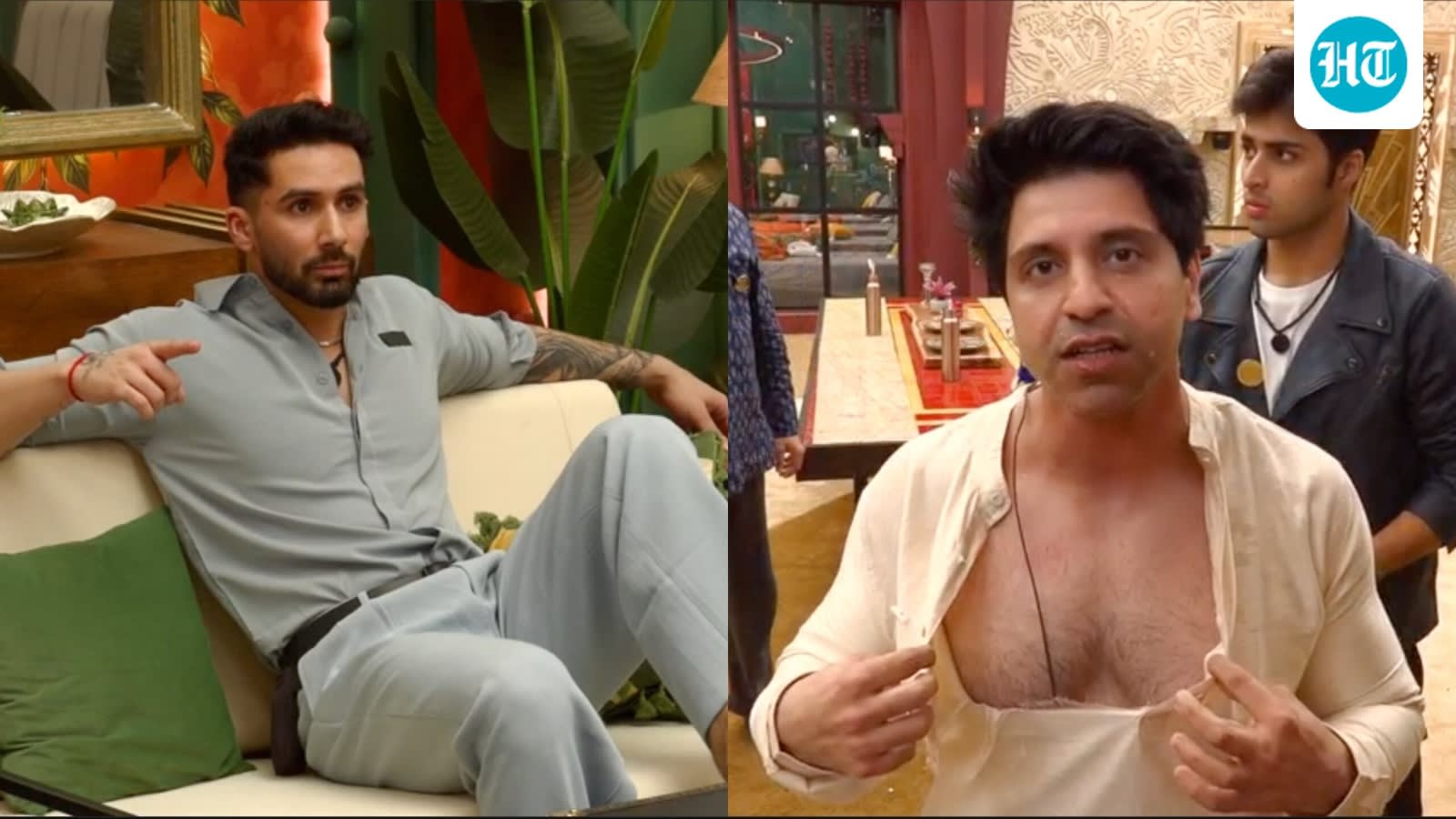
Siwet Tomar has denied physically assaulting Shehzad Poonawalla on the reality show 'Rise & Fall' season 2. He claims his actions were a response to persistent, hours-long provocation involving derogatory remarks about his religion and caste.
Reality TV Conflict: Siwet Tomar Addresses Altercation with Shehzad Poonawalla
The Incident and Clarification
Recent developments on the reality show Rise & Fall season 2 have brought a heated confrontation between participants Siwet Tomar and Shehzad Poonawalla into the public eye. Following the airing of a volatile segment in the show's third episode, which premiered shortly after the season kickoff on September 26, Siwet Tomar took to Instagram to issue a formal clarification. He explicitly denied physically striking Shehzad, characterizing his physical engagement as limited to holding Shehzad by his collar rather than delivering blows.
Allegations of Provocation
At the heart of the dispute is Siwet’s claim that the physical altercation was the culmination of sustained psychological pressure. Siwet alleged that for a significant portion of the day, Shehzad Poonawalla engaged in persistent commentary regarding his religion and caste. According to Siwet, this was not a momentary lapse in judgment but a targeted effort to provoke him over a period of 15 to 20 minutes, extending into a broader pattern of behavior he experienced from morning until evening.
The Impact of Reality Television Dynamics
Reality television often thrives on high-pressure environments, but this incident highlights the ethical complexities of production conditions. When participants are confined in an immersive environment, the threshold for conflict is significantly lowered. The allegations made by Siwet suggest that the show's environment may have facilitated a scenario where personal identity markers, such as religion and caste, were weaponized to elicit a reaction, raising questions about the safety and conduct protocols within the Rise & Fall production house.
The Role of Social Media in Narrative Control
Siwet’s decision to use Instagram as a platform for his defense underscores a growing trend where reality stars bypass traditional media to manage their public image directly. By sharing a video message, he aimed to frame the incident not as an act of unprovoked aggression, but as a defensive reaction to systemic harassment. This shift allows participants to provide context that might be missing from the edited television cut, effectively challenging the narrative presented by the show's producers.
Broader Implications and Future Trends
This confrontation serves as a microcosm of the intense scrutiny reality shows face regarding participant treatment. As audiences become increasingly sensitive to themes of discrimination, producers are under greater pressure to ensure that dialogue remains within ethical boundaries. If incidents involving religious or caste-based provocation continue to plague such programs, we may see a shift toward stricter behavioral contracts and the implementation of more robust mediation strategies to prevent physical altercations before they occur.
Conclusion
While the veracity of the specific claims regarding the nature of the insults remains a point of contention between the two parties, the incident has undeniably sparked a conversation about the boundaries of conflict in reality entertainment. As Rise & Fall season 2 continues, the fallout from this event will likely influence viewer perception and potentially impact the show's editorial approach to managing participant disputes moving forward.
Verification Required?