Why have SLBCs/UTLBCs been asked to report SC beneficiary data for key government schemes for jobs and entrepreneurship? | Explained
Source Entity
India Latest News: Top National Headlines Today & Breaking News | The Hindu
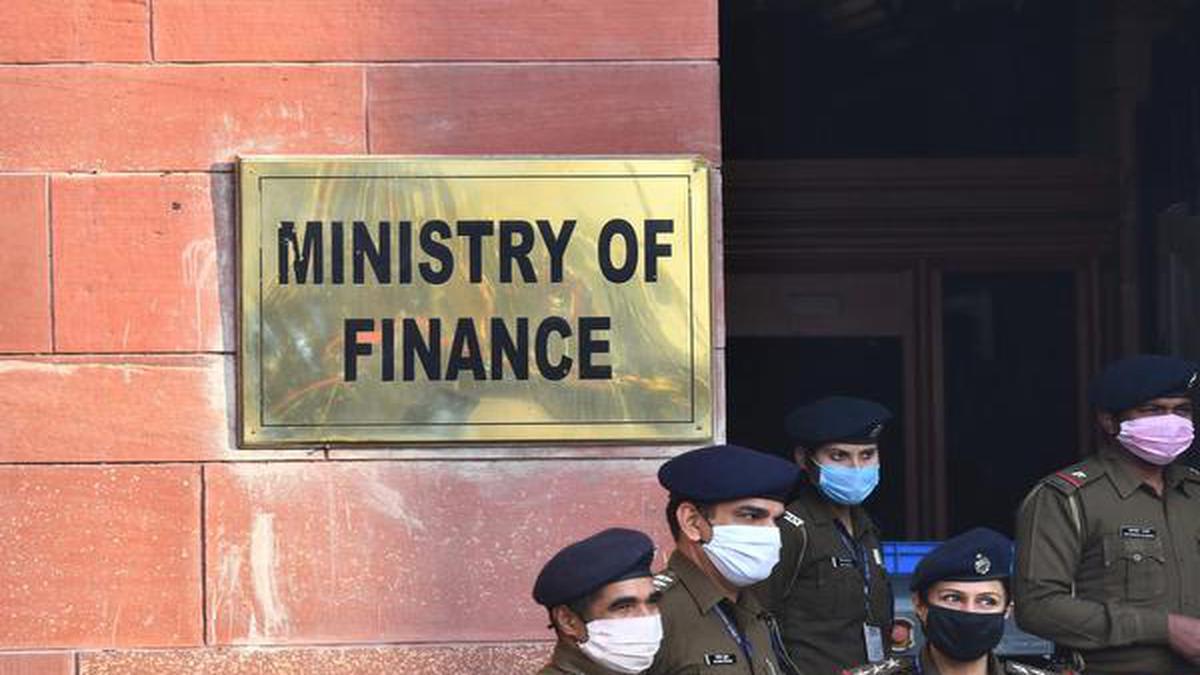
The Finance Ministry has mandated that SLBCs and UTLBCs report data on SC beneficiary participation in key government schemes. This move aims to improve oversight of credit flow and ensure constitutional accountability for inclusive financial growth.
Enhancing Financial Inclusion: The New Reporting Mandate for SLBCs
Understanding the Role of SLBCs and UTLBCs
The State Level Bankers’ Committees (SLBCs) and Union Territory Level Bankers’ Committees (UTLBCs) serve as the vital inter-institutional forums for coordinating banking activities across India's states and territories. According to Reserve Bank of India (RBI) guidelines, these committees were established to act as the primary engines for policy and strategic decision-making regarding the flow of priority sector credit and overall financial inclusion. By bringing together diverse stakeholders, including commercial banks, state governments, and the central bank, these committees ensure that financial services reach the grassroots levels effectively.
The Shift in Reporting Requirements
Recently, the Finance Ministry issued a directive requiring these committees to mandatorily include data on the percentage share of Scheduled Caste (SC) beneficiaries availing major Central schemes. This encompasses flagship programs such as the Mudra Yojana, Stand Up India, the Prime Minister’s Employment Generation Programme (PMEGP), and general MSME and business loans. This policy shift represents a significant pivot from general aggregate reporting to granular, demographic-specific monitoring, ensuring that the benefits of government credit schemes are transparently tracked.
Addressing the National Commission for Scheduled Castes' Concerns
This directive was prompted by the National Commission for Scheduled Castes (NCSC), which identified a critical gap in the existing reporting architecture. The Commission noted that the absence of disaggregated data on SC beneficiary participation in regular reviews was hindering its ability to exercise its constitutional mandate. By failing to report these metrics, the committees were inadvertently obscuring the efficacy of government interventions designed to uplift marginalized communities, thereby necessitating this corrective administrative action.
Broader Implications for Priority Sector Lending
The move underscores a broader government push to align priority sector lending with social equity goals. Since the primary focus of SLBCs is to facilitate credit flow, integrating demographic data ensures that bankers are held accountable not just for the volume of loans disbursed, but for the equitable distribution of that capital. This integration is expected to create a feedback loop where policy gaps can be identified and addressed at the state level with greater precision.
Future Trends in Financial Accountability
Looking ahead, this mandate signals a shift toward data-driven governance in the banking sector. As the government continues to prioritize entrepreneurship and job creation, the ability to track the penetration of these schemes among the SC population will become a benchmark for success. This move likely sets a precedent for future reporting standards, where social impact metrics become as essential to committee reviews as fiscal performance indicators, ultimately strengthening the inclusivity of India’s financial ecosystem.
Verification Required?