Smart Cities Spent Crores On Tech. Did Garbage Collection Actually Improve?
Source Entity
NDTV News Search Records Found 1000
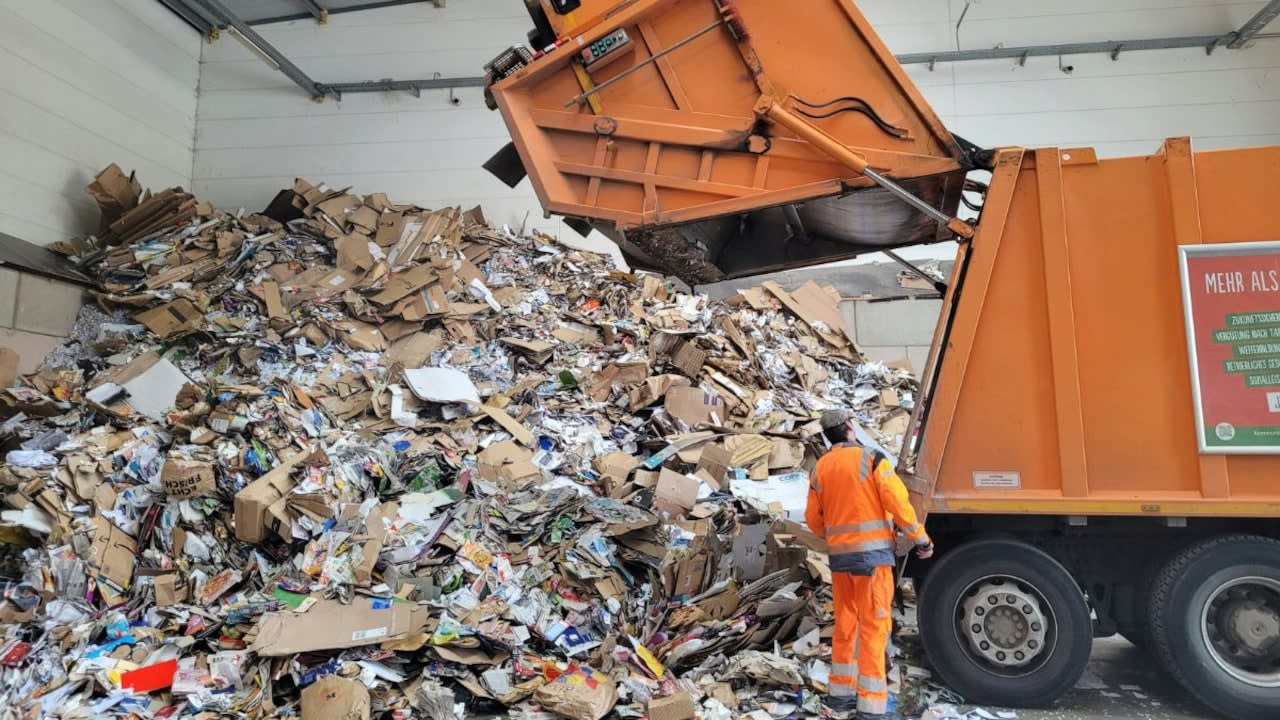
Over 66 cities under India's Smart Cities Mission have integrated technology to modernize solid-waste management. This analysis evaluates whether these investments have translated into tangible improvements in urban sanitation and operational efficiency.
The Digital Transformation of Urban Sanitation
Under the ambitious Smart Cities Mission, over 66 Indian cities have pivoted toward technology-driven solutions to tackle the perennial challenge of solid-waste management. By integrating Internet of Things (IoT) sensors, GPS-enabled collection vehicles, and centralized monitoring dashboards, these urban centers aim to transition from legacy, opaque waste disposal systems to data-backed, efficient models. The deployment of these technologies represents a significant financial investment, intended to digitize the entire value chain of sanitation, from primary collection to final processing.
The Mechanics of Smart Waste Management
The core of this technological intervention lies in real-time tracking and route optimization. By equipping waste collection vehicles with GPS trackers, municipal corporations can monitor collection coverage, identify missed hotspots, and reduce fuel consumption through optimized routing. Furthermore, the use of smart bins—equipped with sensors to measure fill levels—allows for dynamic scheduling of pickups. This shift from static, fixed-schedule collection to demand-based logistics is theoretically designed to prevent bin overflows and reduce the labor-intensive nature of manual monitoring.
Challenges in Implementation and Scalability
Despite the substantial capital expenditure, the efficacy of these systems remains a subject of intense scrutiny. The primary hurdle often resides in the 'last-mile' connectivity and the maintenance of hardware in harsh urban environments. Sensors frequently face malfunctions due to exposure to moisture and heat, while the underlying software platforms require seamless integration with existing municipal workflows. Without robust training for ground-level sanitation staff, the reliance on high-tech dashboards can create a disconnect between digital monitoring and physical reality.
Analyzing the Impact on Public Health
The ultimate benchmark for these smart investments is the tangible improvement in urban cleanliness and public health outcomes. When successfully implemented, these technologies reduce the accumulation of organic waste in public spaces, thereby mitigating the spread of vector-borne diseases. However, the success of these initiatives is heavily dependent on the quality of data analytics. If the data generated by sensors is not actionable or if the municipal response time remains slow, the technology serves as little more than a digital veneer over systemic operational failures.
Future Trends and Sustainability
Looking forward, the evolution of smart waste management will likely hinge on the integration of Artificial Intelligence for predictive waste generation modeling. As cities gather more longitudinal data, they will be better equipped to forecast waste volumes during festivals, monsoon seasons, or rapid urbanization phases. Sustainability will also require a move toward 'circular economy' models, where tech-enabled sorting at the source becomes mandatory. The success of the Smart Cities Mission in this sector will ultimately be defined by its ability to translate data into cleaner streets and more resilient urban infrastructure.
Verification Required?