Smartphone LED detects hidden cameras with AI
Source Entity
Hacker News
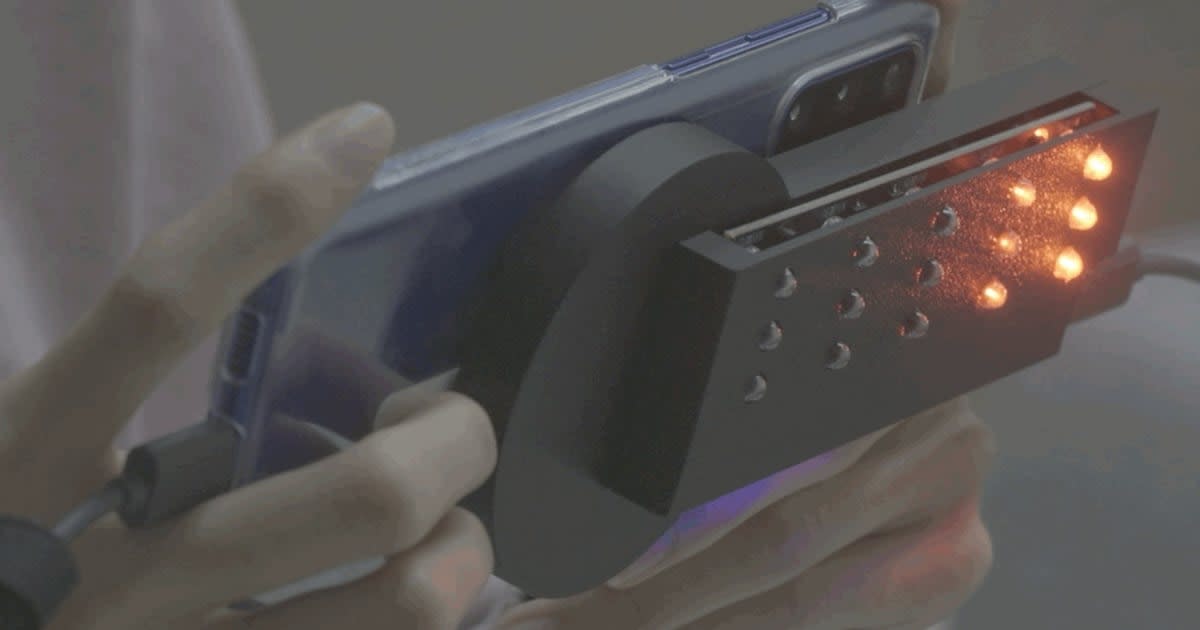
Researchers have developed a new smartphone-based technology that utilizes LED flashes and AI to detect hidden cameras. This innovation aims to enhance personal privacy by identifying lens reflections in real-time.
Enhancing Personal Privacy Through Smartphone Innovation
The emergence of smartphone-integrated technology capable of detecting hidden cameras marks a significant shift in personal security. By leveraging the existing hardware of modern mobile devices—specifically the LED flash—in conjunction with sophisticated artificial intelligence, developers have created a tool that empowers users to identify covert surveillance devices in unfamiliar environments, such as hotels or rental properties.
The Mechanics of Lens Detection
At the core of this technology is the principle of retroreflection. Hidden cameras, regardless of their size, contain glass lenses that reflect light differently than surrounding surfaces. When a smartphone’s LED emits a specific pulse, the AI algorithm processes the resulting images to identify the distinct 'glint' or reflection characteristic of a camera lens. This automated detection significantly reduces the margin of human error, making it easier for non-experts to sweep a room effectively.
The Role of Artificial Intelligence
Artificial intelligence serves as the critical filter in this process. While traditional methods for finding hidden cameras often involve manual inspection or expensive radio-frequency scanners, AI can analyze visual data at a speed and accuracy level unattainable by the human eye. By training models on thousands of images of various hidden camera form factors, the system can distinguish between a harmless reflection from a mirror or window and the specific optical signature of a surveillance lens.
Broader Implications for Privacy
As the prevalence of 'spy cameras' has increased, so has the demand for accessible counter-surveillance tools. This development addresses a growing societal concern regarding the erosion of privacy in private spaces. By democratizing the ability to detect unauthorized recording equipment, this smartphone-based solution shifts the power dynamic back toward the individual, providing a necessary layer of protection against illicit recording.
Future Trends and Integration
Looking forward, we can expect this technology to become a standard feature in mobile operating systems or privacy-focused security applications. As AI models continue to evolve, the detection accuracy will likely improve, potentially allowing for the identification of cameras even in low-light conditions or through partial obstructions. This integration represents the next logical step in mobile utility, prioritizing user safety alongside communication and productivity.
Conclusion
The integration of LED-based detection and AI represents a proactive approach to modern privacy challenges. By transforming a ubiquitous device into a security tool, developers are providing an essential service in an increasingly connected world. While no security measure is perfect, this technological advancement is a vital step toward reclaiming personal space in the digital age.