For ‘uninterrupted view’ of Somnath temple, 140 buildings razed
Source Entity
Ritu Sharma
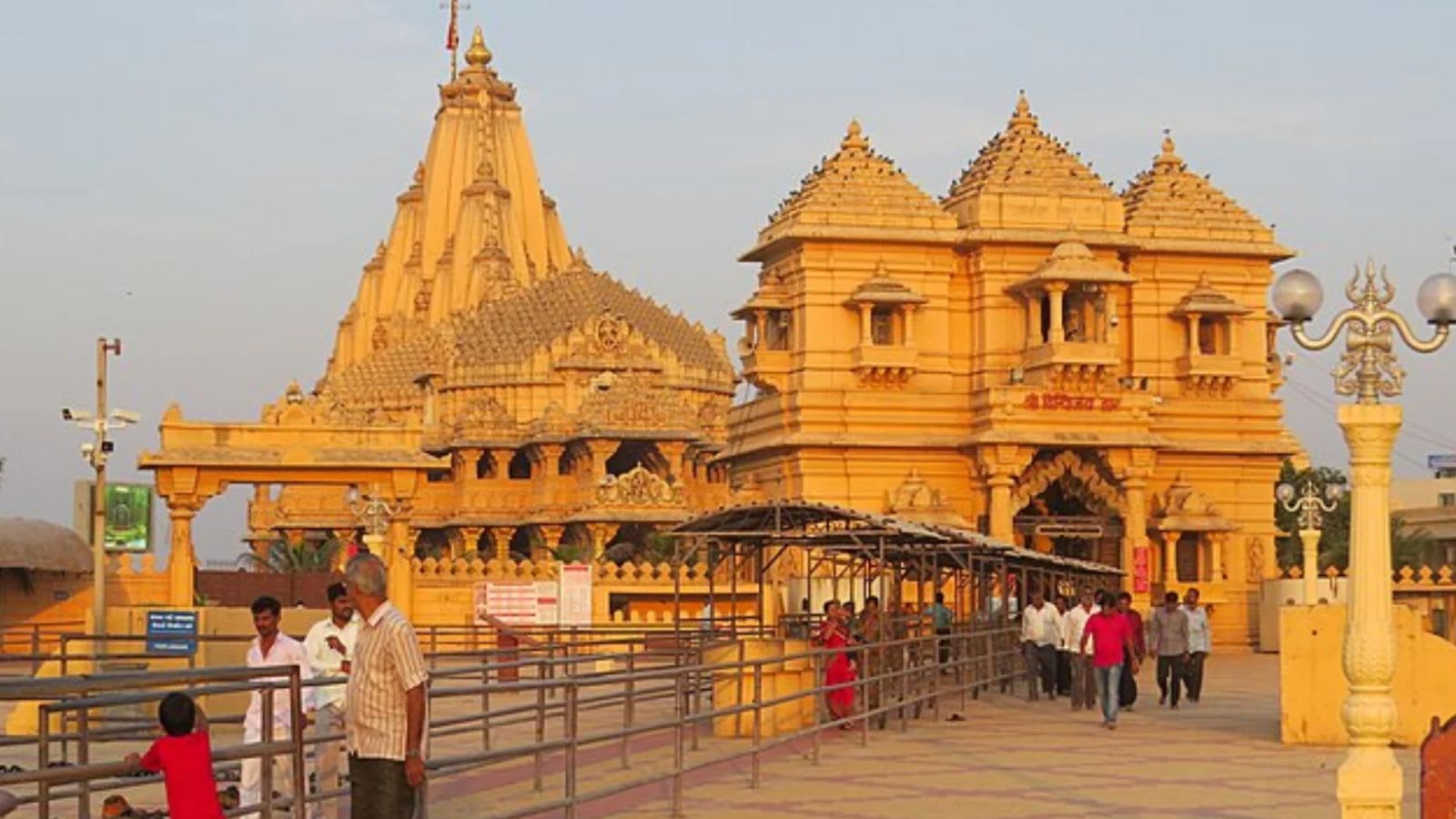
The Gir Somnath district administration has demolished 140 buildings to develop the Somnath Mahadev Corridor. This project aims to provide an unobstructed view of the historic temple and is part of a larger federal initiative to transform 17 iconic sites into major tourist hubs.
The Somnath Mahadev Corridor: Redefining Sacred Landscapes
The Somnath temple, a site of immense historical and religious significance located on the shores of the Arabian Sea in Saurashtra, is currently undergoing a transformative infrastructure project. Seventy-five years after its reopening to the public, the Gir Somnath district administration has initiated a massive demolition drive, razing approximately 140 buildings to create an uninterrupted visual corridor leading to the temple. This project represents a significant shift in urban planning around India’s most revered pilgrimage sites, prioritizing both aesthetic accessibility and spatial management.
Strategic Expansion and Land Reclamation
The demolition process, executed in two distinct phases, saw the clearing of 40 buildings on November 16 alone, following an earlier phase that targeted 100 structures. This concerted effort has successfully freed nearly 350 acres of land surrounding the temple complex. By removing structural density in the immediate vicinity, the administration aims to facilitate the 'Somnath Mahadev Corridor Project,' an initiative designed to enhance the experience of millions of pilgrims who visit the site annually, ensuring that the architecture of the temple remains the focal point of the landscape.
Part of a National Vision
This endeavor is not an isolated local development but a core component of a broader federal strategy. The Somnath Mahadev Corridor is one of 17 sites identified by the Central government to be developed as 'iconic tourist sites' across India. This policy seeks to elevate the standard of facilities at heritage sites, integrating modern infrastructure with traditional sanctity to bolster India's tourism economy. The project reflects the current government's emphasis on reviving cultural landmarks through large-scale urban renewal.
Governance and Oversight
The oversight of this project is deeply connected to the highest levels of Indian governance. The Shree Somnath Trust, which manages the temple's affairs and the surrounding land, is chaired by Prime Minister Narendra Modi. The trust also includes prominent figures such as former Deputy Prime Minister L.K. Advani and the Union Home Minister. This high-level involvement underscores the political and cultural importance assigned to the site, as the temple continues to serve as a symbol of historical resilience and national identity.
Historical and Future Implications
Somnath, recognized as one of the 12 holy jyotirlings, has historically been a site of both immense spiritual devotion and turbulent historical change. The current project seeks to provide a sense of permanence and grandeur to the temple's surroundings, effectively sanitizing the approach to the shrine. Moving forward, the successful implementation of this corridor is expected to set a precedent for how the state handles the development of other iconic heritage sites, balancing the need for modernization with the preservation of sacred geography. As the project matures, it will likely serve as a blueprint for future heritage-led tourism initiatives nationwide.