‘Lost 9 kg in 17 days’: Sonam Wangchuk currently stable, but next few days could prove critical, say doctors
Source Entity
Pragynesh
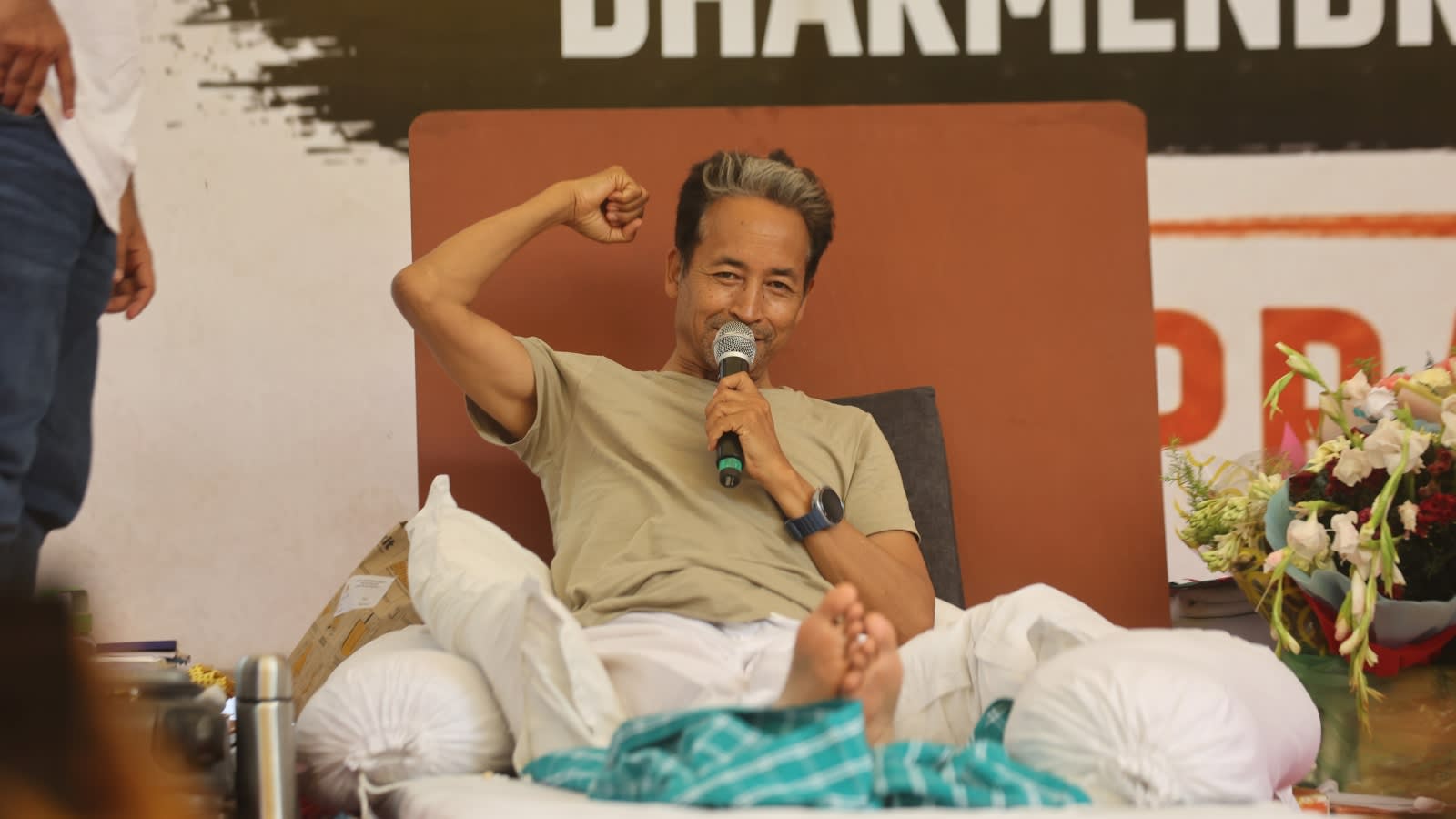
Prominent activist Sonam Wangchuk is in a critical health state after losing 9 kg during a 17-day protest at Jantar Mantar. While doctors report he is currently stable, the next few days are considered pivotal for his recovery and survival.
The Health Crisis of Sonam Wangchuk: A High-Stakes Protest
The current situation at Jantar Mantar has reached a critical juncture as renowned activist and innovator Sonam Wangchuk faces severe health deterioration. Having lost 9 kg in just 17 days, Wangchuk's physical condition has become a focal point of concern for both his supporters and medical professionals. While doctors have categorized his current state as 'stable,' the warning that the next few days could prove 'critical' suggests that his body may be reaching a physiological breaking point. This rapid weight loss is indicative of the extreme toll a prolonged hunger strike takes on the human organism, specifically regarding muscle atrophy and the depletion of essential nutrient reserves.
The Physiological Toll of Prolonged Fasting
From a medical perspective, a loss of 9 kg over 17 days is an alarming rate of decline. When the body is deprived of caloric intake, it enters a state of ketosis and eventually begins breaking down muscle tissue, including cardiac muscle, to maintain basic organ function. The 'critical' window mentioned by doctors likely refers to the risk of electrolyte imbalances—specifically potassium and magnesium—which can lead to sudden cardiac arrhythmia or organ failure. The fact that Wangchuk spends most of his time lying on a raised platform indicates a significant drop in energy levels and physical mobility, marking a transition from an active protest to a survival struggle.
The Symbolism of the Cockroach Janta Party (CJP)
Central to this protest is the presence of the Cockroach Janta Party (CJP). The use of the 'cockroach' as a symbol is a deliberate piece of political satire, representing the resilience and perceived 'indestructibility' of the common citizen in the face of systemic indifference. By aligning himself with the CJP, Wangchuk is not merely demanding policy changes but is highlighting the perceived invisibility and resilience of the people of Ladakh. The CJP serves as a grassroots vehicle to channel the frustrations of a population that feels marginalized by the central administration, turning a health crisis into a potent symbol of endurance.
Contextualizing the Struggle for Ladakh
To understand why an individual of Wangchuk's stature would risk his life, one must look at the broader implications for the Ladakh region. Wangchuk has long advocated for the inclusion of Ladakh in the Sixth Schedule of the Indian Constitution, which would provide tribal areas with greater autonomy to protect their land, culture, and fragile Himalayan ecology. The protest at Jantar Mantar is the culmination of years of frustration over the lack of constitutional safeguards. The extreme nature of this fast underscores the urgency of the environmental threats facing the region, including glacial melt and unplanned industrialization, which Wangchuk views as an existential threat to the Ladakhi way of life.
Political Implications and Government Pressure
This health crisis transforms the protest from a political demand into a humanitarian emergency, significantly increasing the pressure on the government. In the history of Indian democratic protests, the deteriorating health of a high-profile hunger striker often acts as a catalyst for state intervention. The narrative of a 'stable but critical' condition creates a ticking clock, forcing authorities to decide between continuing their silence or initiating a dialogue to prevent a potential tragedy. The visibility of the protest at Jantar Mantar ensures that the eyes of the international community and the Indian public remain fixed on the government's response.
Future Trends and Potential Outcomes
Looking ahead, the trajectory of this event will likely be determined by the government's willingness to engage in formal negotiations. If the state remains unresponsive, the worsening of Wangchuk's health could spark wider unrest across Ladakh and among environmental activists nationwide. Conversely, a medical intervention or a government concession could lead to a temporary cessation of the fast. However, the deep-seated demands for the Sixth Schedule are unlikely to vanish; the current health crisis merely accelerates the timeline for a resolution. The precedent set here will likely influence how future environmental and regional autonomy movements in India utilize high-stakes physical protests to gain leverage.
Summary
Sonam Wangchuk's rapid weight loss and critical health status serve as a stark manifestation of the desperation surrounding the rights of the Ladakhi people. The intersection of medical urgency, satirical political branding via the CJP, and the fight for constitutional protections has created a volatile situation. The next few days will not only determine Wangchuk's physical survival but will also test the government's capacity for diplomatic resolution in the face of a humanitarian crisis.