Sonam Wangchuk Hunger Strike Live Updates: Delhi High Court to hear plea seeking force feeding
Source Entity
Ashish Shaji
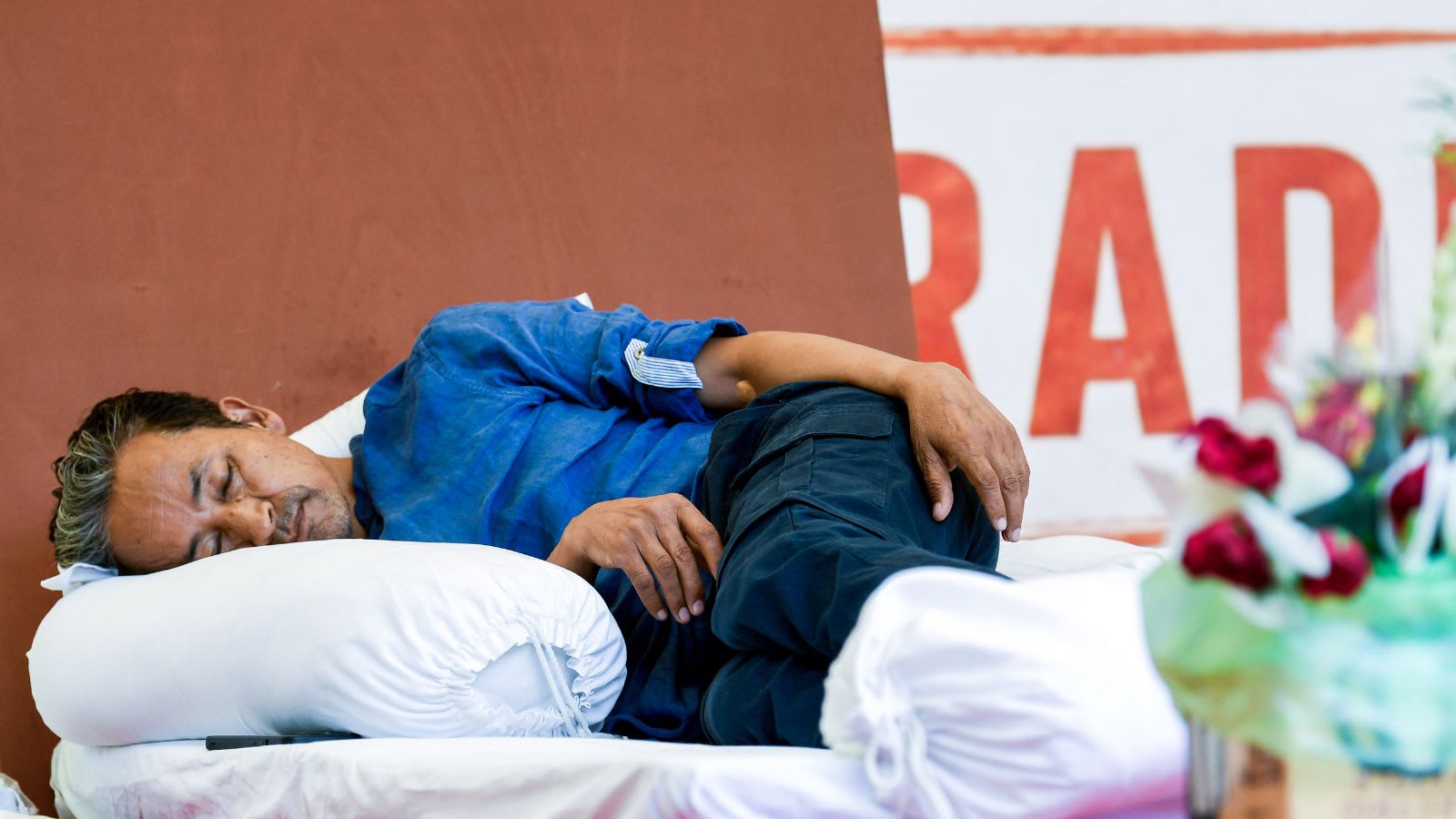
Environmentalist Sonam Wangchuk is on the 18th day of an indefinite hunger strike demanding the resignation of Union Education Minister Dharmendra Pradhan over the NEET paper leak controversy, leading the Delhi High Court to hear a plea regarding his force-feeding.
The Intersection of Education Reform and Activism: Sonam Wangchuk's Hunger Strike
Sonam Wangchuk, a globally recognized environmentalist and educator from Ladakh, has entered the 18th day of an indefinite hunger strike. This high-stakes protest is centered on the systemic failures surrounding the National Eligibility cum Entrance Test (NEET), specifically the widespread allegations of paper leaks and irregularities. Wangchuk is demanding the immediate resignation of Union Education Minister Dharmendra Pradhan, arguing that the scale of the breach undermines the meritocratic foundations of India's medical education system and betrays the trust of millions of aspiring students.
The NEET Scandal and Systemic Failure
The NEET exam is the primary gateway for medical aspirants in India, and any compromise in its integrity has devastating effects on student morale and the quality of future healthcare professionals. The recent paper leak controversy has sparked nationwide outrage, as reports suggest organized cheating and leaked question papers allowed some candidates to gain an unfair advantage. By aligning himself with the CJP campaign, Wangchuk is highlighting a broader pattern of examination fraud in India, where the National Testing Agency (NTA) has come under intense scrutiny for its inability to secure high-stakes assessments.
Legal Tensions and the Right to Protest
The situation has now escalated into a legal battle at the Delhi High Court, which is set to hear a plea seeking the force-feeding of Sonam Wangchuk. This creates a profound legal and ethical dilemma: the tension between an individual's right to a non-violent hunger strike as a form of political expression and the state's obligation to preserve human life. The court's decision will not only impact Wangchuk's health but will also set a precedent for how the Indian judiciary handles high-profile fasts used as tools for political accountability.
Wangchuk's History of Civil Disobedience
This hunger strike is not an isolated event in Wangchuk's career but a continuation of his lifelong commitment to systemic reform. Known for his advocacy for the Sixth Schedule for Ladakh to protect its fragile ecology and indigenous culture, Wangchuk has frequently employed peaceful, Gandhian methods of protest. His transition from environmental advocacy to championing students' rights demonstrates his view that education and ecological preservation are both pillars of a sustainable and just society. His influence allows him to bring national attention to the plight of students who lack a powerful political voice.
Broader Implications for Indian Governance
The demand for the Education Minister's resignation reflects a growing demand for 'ministerial accountability' in Indian politics. Historically, administrative failures were often blamed on lower-level bureaucrats; however, the current public sentiment, amplified by figures like Wangchuk, suggests that the political leadership must take ultimate responsibility for institutional collapses. This event signals a shift where the public expects top-tier officials to be held accountable for the operational failures of the agencies they oversee.
Future Outlook and Conclusion
Looking ahead, the resolution of this strike will likely depend on whether the government offers a concrete roadmap for exam reform or a change in leadership within the Education Ministry. If the Delhi High Court mandates force-feeding, it may further galvanize supporters who see it as an infringement on the right to protest. Ultimately, this event serves as a critical reminder of the fragility of India's competitive examination system and the necessity for a transparent, leak-proof mechanism to ensure that the dreams of students are not compromised by corruption. The outcome will either reinforce the power of peaceful protest or highlight the rigidities of the current administrative framework.