Ladakh protest row: Police remove Sonam Wangchuk from protest site hours
Source Entity
NASEER GANAI
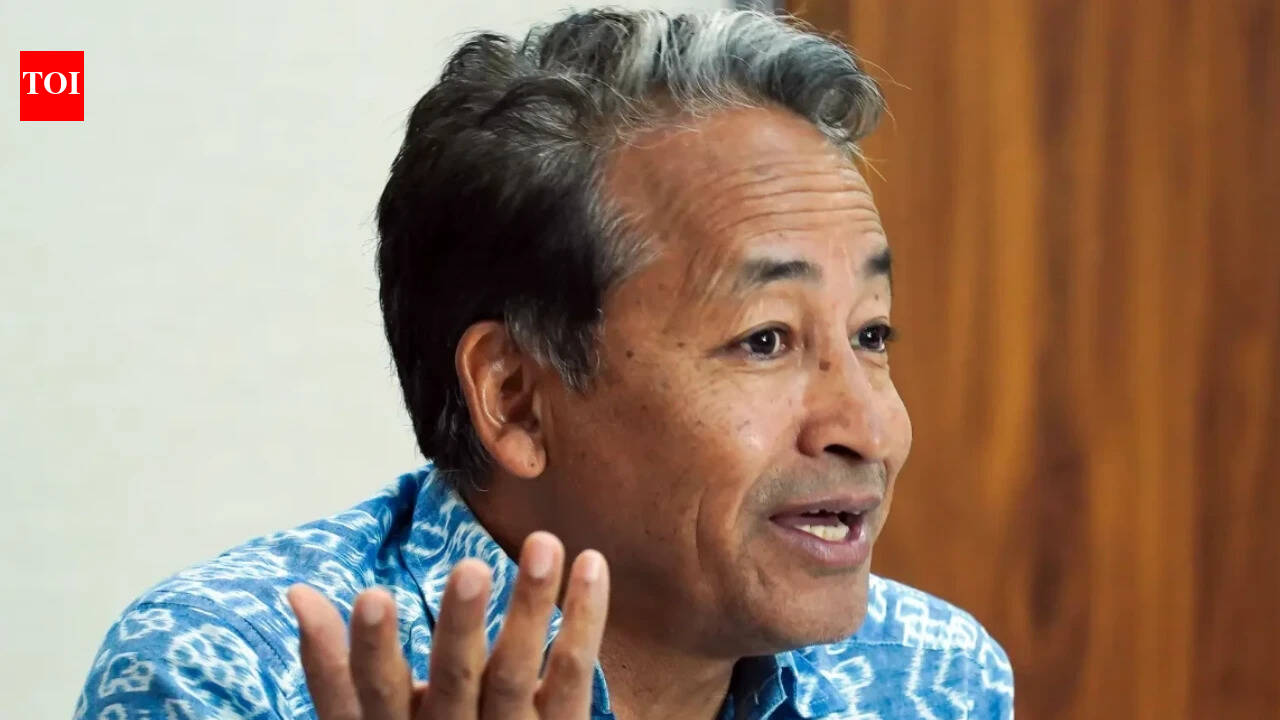
Climate activist Sonam Wangchuk was removed by police from a protest site in Leh following his opposition to the December 4 LAHDC elections. Wangchuk and local groups argue the timing is exclusionary due to harsh winter conditions and high seasonal migration.
Tensions Escalate in Ladakh Over Hill Council Elections
The political landscape in Ladakh has become increasingly volatile following the administration’s decision to schedule elections for the Ladakh Autonomous Hill Development Councils (LAHDCs) on December 4. This announcement has been met with significant pushback from prominent local figures, most notably climate activist Sonam Wangchuk, who, alongside the Leh Apex Body and the Kargil Democratic Alliance (KDA), has labeled the move as an imposition rather than a democratic necessity.
The Core Grievances: Logistics and Exclusion
At the heart of the protest is the timing of the electoral process. Critics argue that holding elections during the peak of winter is inherently exclusionary. Data cited by local leadership suggests that approximately 25% of the Ladakhi population is away from the region during this season due to the extreme climate. By proceeding with the December 4 date, protesters argue that a significant portion of the electorate is effectively disenfranchised, rendering the democratic process incomplete and unrepresentative of the region's actual demographics.
Police Intervention and Public Order
The administrative response has been swift and firm. On Wednesday, November 11, 2026, Ladakh Police intervened to remove Sonam Wangchuk from his protest site in Leh. The authorities justified the action by citing existing regulations that limit public rallies and gatherings during the active election period. Wangchuk was subsequently escorted to his residence and advised to remain indoors, marking a significant escalation in the standoff between the local administration and civil society groups.
Broader Implications for Ladakh’s Governance
This conflict highlights the ongoing friction between the central administration and local representative bodies regarding the autonomy and political agency of Ladakh. The Leh Apex Body and the KDA have long sought to safeguard the region’s unique identity and political rights. The current dispute over the election schedule is emblematic of a deeper struggle for influence and the desire for a more inclusive approach to governance that respects the unique seasonal challenges faced by the people of the high-altitude desert.
Future Trends and Potential Agitation
Sonam Wangchuk has publicly appealed to the President of India and the national political leadership to intervene, warning that if the grievances remain unaddressed, the region may witness an intensified struggle. His call to the people of India to support the Ladakhi cause suggests a strategy of nationalizing the issue to pressure the administration. As winter sets in, the combination of harsh weather and political frustration creates a volatile environment. The coming weeks will likely see either a de-escalation through dialogue or a further hardening of positions, potentially leading to widespread civil agitation.