Sonia Gandhi memoir: 1966 fight between Ali and Cooper that former Cong prez remembers
Source Entity
SUBODH GHILDIYAL
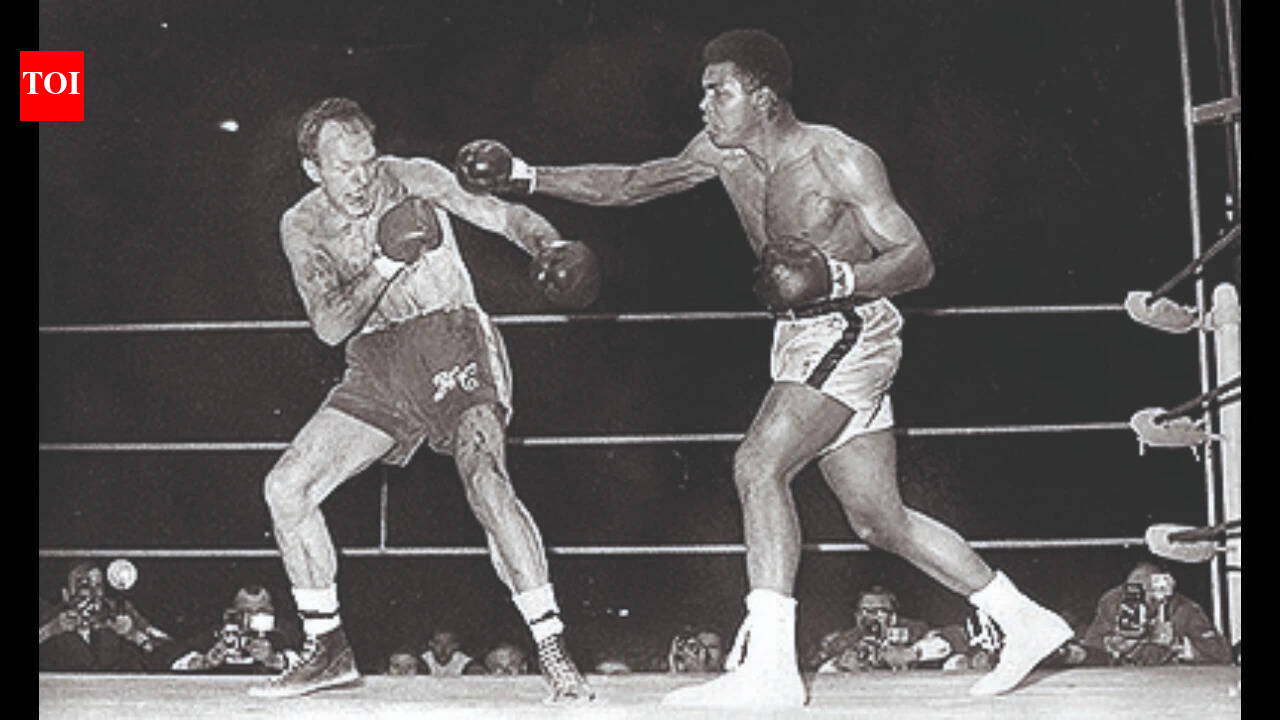
Sonia Gandhi's memoir reflects on her youth in Cambridge, specifically recalling the 1966 heavyweight boxing match between Muhammad Ali and Henry Cooper. This personal anecdote offers a rare glimpse into the former Congress president's formative years in the United Kingdom.
A Personal Reflection: Sonia Gandhi’s Cambridge Days
In a departure from the typical focus on high-stakes political maneuvering, Sonia Gandhi’s recent memoir provides a rare, intimate look at her life as a young woman living in Cambridge, England, during the 1960s. Among the various personal reflections contained within the text, one particular event stands out for its cultural resonance: the 1966 heavyweight boxing bout between Muhammad Ali and Henry Cooper. This inclusion serves as a poignant reminder that even the most prominent political figures are shaped by the global cultural touchstones of their youth.
The Context of the 1966 Bout
The fight between Muhammad Ali and British challenger Henry Cooper, held at Wembley Stadium in London, was a significant event in sports history. For a young Sonia Gandhi, residing in the United Kingdom during this era, the spectacle of such a high-profile international event would have been unavoidable. By detailing her memory of this specific fight, Gandhi bridges the gap between her private life as an expatriate student and the global zeitgeist of the mid-20th century.
Cultural Impact of the Ali-Cooper Rivalry
Muhammad Ali was more than just a boxer; he was a global icon whose influence transcended the ring, particularly during the turbulent 1960s. Henry Cooper, a beloved British figure, represented the underdog spirit in the eyes of the local public. Gandhi’s memory of this event highlights how sports functioned as a universal language, capturing the attention of people from all walks of life, including those who would eventually lead major political organizations in India.
Memoirs as Political and Personal Historical Records
When political leaders publish memoirs, they often serve two purposes: providing a historical record of their tenure and humanizing the figure behind the public persona. By sharing anecdotes about her time in Cambridge and her observations of events like the Ali-Cooper fight, Sonia Gandhi invites readers to see her not just as the former president of the Indian National Congress, but as an individual with a personal history that predates her entry into the Indian political sphere.
The Intersection of Memory and Identity
This specific recollection serves as a narrative anchor for her early life. Memoirs often rely on such sensory and cultural memories to ground the reader in the author's formative years. For Gandhi, the 1966 fight acts as a marker of her time in England, a period that significantly influenced her worldview before she moved to India and became deeply embedded in the nation's political fabric.
Concluding Thoughts
Ultimately, Sonia Gandhi’s inclusion of the 1966 Ali-Cooper fight in her memoir is a testament to the enduring power of personal memory. It frames her early adulthood not through the lens of future political responsibility, but through the shared experiences of a global generation. By documenting these moments, she provides a richer, more nuanced portrait of her life, ensuring that her legacy is understood both in the context of her political achievements and the individual experiences that shaped her path.