'Won't let baby be thrown into river': Sonia recalls loss of first child before Rahul
Source Entity
ABHISHEK MISHRA
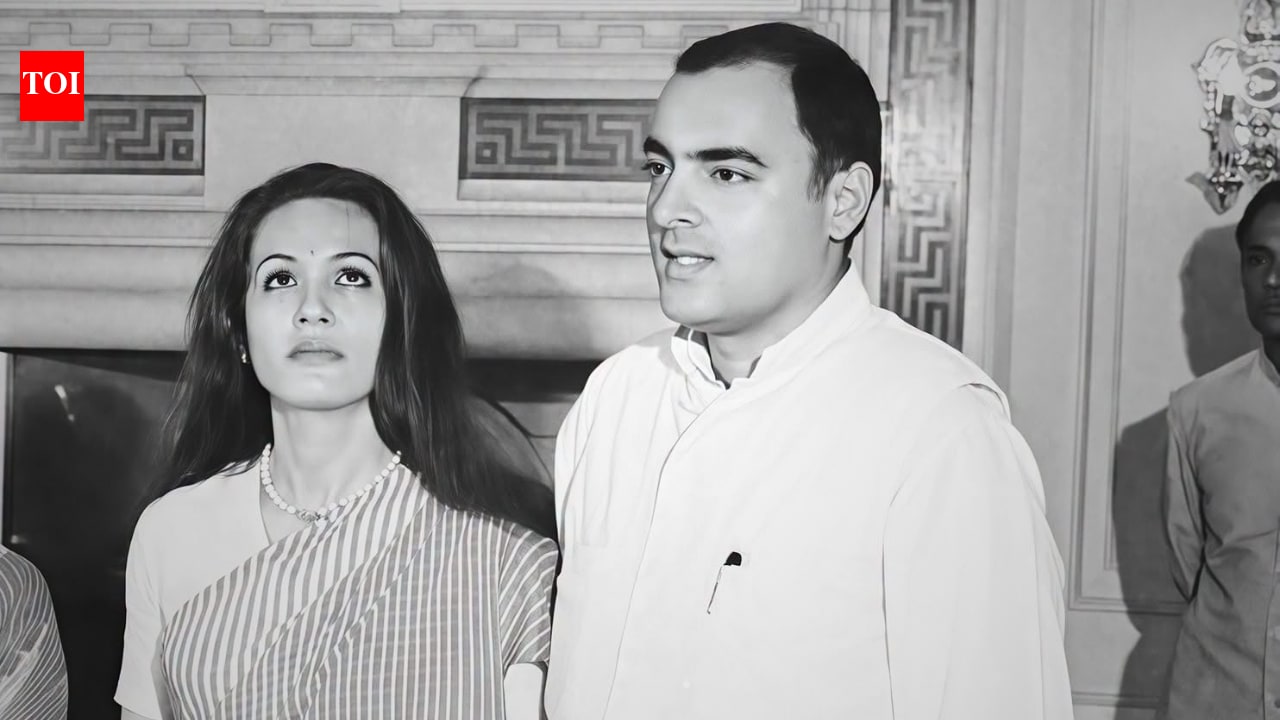
Sonia Gandhi's new memoir, 'Belonging: A Journey of Love,' offers personal reflections on her political life and her decision to decline the Prime Minister's post. The book also details her limited, formal interactions with Prime Minister Narendra Modi over the years.
A Personal Perspective: Sonia Gandhi’s 'Belonging'
Sonia Gandhi, a figure central to Indian political history for decades, has broken her silence on personal and professional turning points in her new memoir, Belonging: A Journey of Love. Published by HarperCollins India, the 544-page narrative serves as a departure from the external, often speculative accounts that have defined her public image. By detailing her transition from a quiet life in Italy to the center of power in New Delhi, Gandhi attempts to reclaim her own narrative, framing her journey through the lenses of love, loss, and the heavy burden of public duty.
The Prime Ministerial Dilemma
A centerpiece of the memoir is the candid admission of her inner conflict regarding the position of Prime Minister. Gandhi describes a profound psychological tug-of-war between a personal desire to reject the office and a sense of duty that urged her to accept it. She poignantly notes that during this period of immense pressure, she felt the absence of her late husband, Rajiv Gandhi, deeply. This internal struggle, which she characterizes as moving from an "absolutely not" to a hesitant "theek hai" before settling on a firm "no," provides a rare glimpse into the decision-making process that shaped the course of Indian governance in the mid-2000s.
Navigating the Political Divide
Beyond personal reflection, the memoir addresses her relationship with her primary political rival, Prime Minister Narendra Modi. Despite their intense electoral rivalry spanning over a decade, Gandhi reveals that their actual interactions have been minimal and strictly formal. She describes their encounters at semi-official settings, such as the Speaker’s chamber, as being limited to a formal namaste. This lack of engagement marks a stark shift from the political culture of previous eras, which she suggests was once characterized by greater cordiality across party lines.
Acknowledging Political Adversaries
While maintaining that there is little personal contact, Gandhi does acknowledge some common ground with the BJP leader. She specifically points to his rise from an underprivileged background through the Rashtriya Swayamsevak Sangh (RSS) as a facet of his life she recognizes. This nuanced observation highlights a sophisticated, if distant, understanding of her adversary, moving beyond mere rhetoric to acknowledge the life trajectory that brought him to the pinnacle of Indian politics.
Contextualizing a Legacy
The publication of Belonging arrives at a pivotal moment in the discourse surrounding the Congress party’s history and the evolution of Indian democracy. By positioning herself as a reluctant participant in the political sphere, shaped by tragedy and the expectation of others, Gandhi invites readers to view her tenure not just through policy, but through the human cost of leadership. The memoir serves as both a historical record and a personal testimony, shedding light on the complexities of one of India's most scrutinized political legacies.
Historical Implications and Future Trends
Ultimately, the memoir underscores the changing nature of Indian political discourse. The shift from the cordiality of the past to the more rigid, formal interactions of the present, as noted by Gandhi, reflects broader societal and political polarizations. As political parties continue to navigate these hardened lines, the reflections provided in this work offer a necessary, albeit singular, perspective on the evolution of political conduct in the world's largest democracy.
Multiple Citing Sources