Sonia Gandhi appears on magazine cover in classic blush-pink saree as her memoir hits bookstores
Source Entity
Latest News: Todays Latest News Headlines from India & World | Hindustan Times
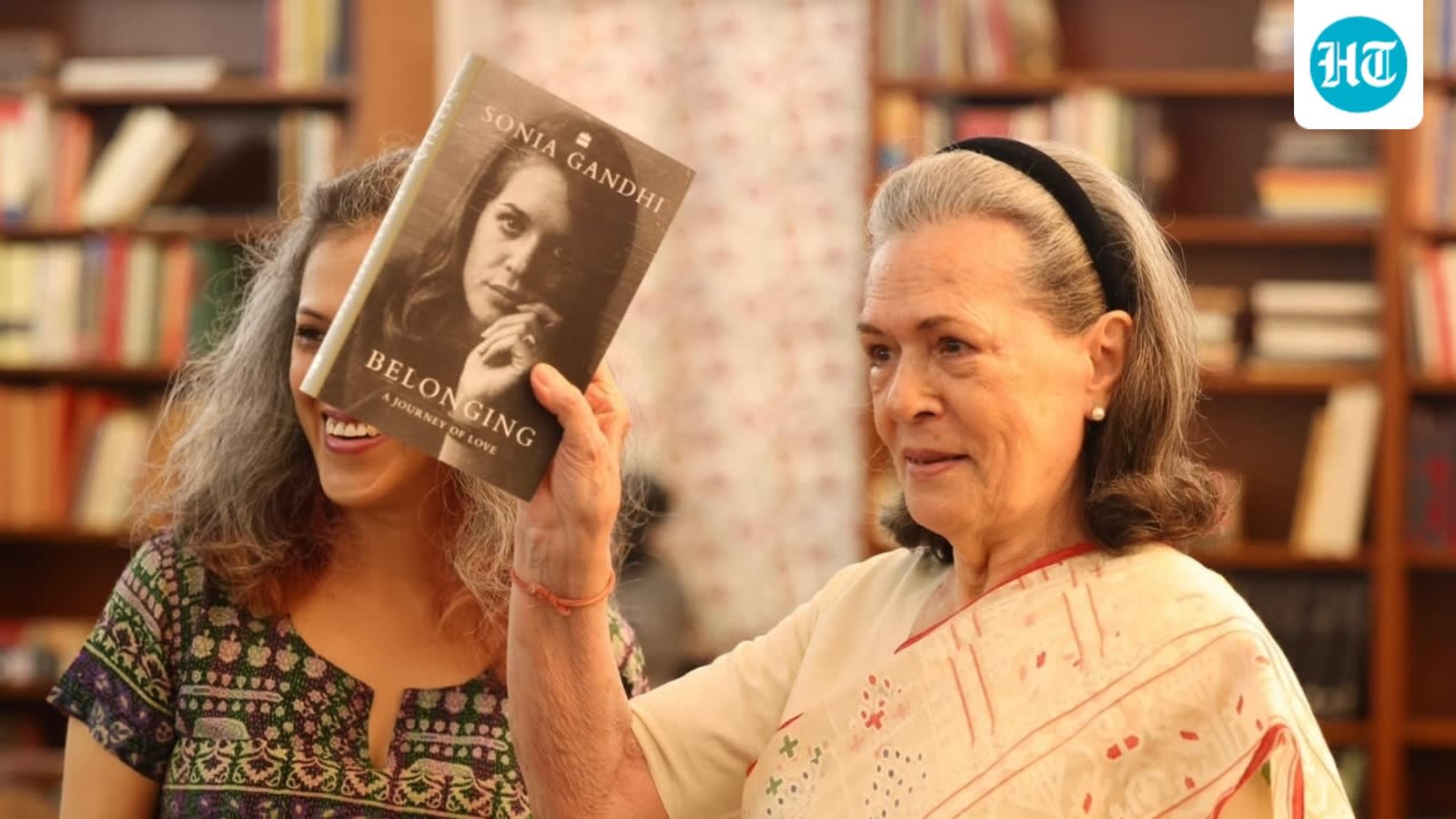
Sonia Gandhi’s new memoir, 'Belonging: A Journey of Love,' offers a rare personal insight into her life, including her decision to decline the Prime Ministership. She also reflects on her political relationship with PM Narendra Modi, noting a lack of personal contact despite their long-standing rivalry.
A Personal Perspective: Sonia Gandhi’s 'Belonging'
Sonia Gandhi, a figure long shrouded in the complexities of India’s political history, has finally offered a firsthand account of her life in her new memoir, Belonging: A Journey of Love. Published by HarperCollins India, the 544-page work marks a significant departure from her typically private nature. By stepping out from the narratives constructed by others, Gandhi provides an intimate look at a life defined by a transition from a small Italian town to the center of power in New Delhi, shaped by love, tragedy, and the burden of public duty.
The Dilemma of Power
One of the most anticipated revelations in the memoir concerns the pivotal moment she was called upon to lead the nation as Prime Minister. Gandhi describes an internal conflict between her initial, absolute rejection of the role and the subsequent sense of duty that arose. This struggle, which she characterizes as a dialogue between her personal desires and the weight of public expectation, highlights the profound impact of the loss of her husband, Rajiv Gandhi, on her political trajectory and her ultimate decision-making process.
Navigating Political Adversaries
Beyond her personal history, the memoir touches upon the nature of modern Indian political discourse. Gandhi addresses her long-term rivalry with Prime Minister Narendra Modi, noting that despite their opposing roles on the electoral battlefield for over a decade, their direct personal contact has been minimal. She reflects on the evolution of political etiquette, contrasting the current formal, distant interactions at semi-official events with the more cordial, cross-party relationships that defined previous eras of Indian politics.
Acknowledging Common Ground
Interestingly, Gandhi does not shy away from acknowledging the rise of her primary political opponent. In a nuanced observation, she notes the Prime Minister’s rise from an underprivileged background through the Rashtriya Swayamsevak Sangh (RSS). By documenting these observations, she provides a rare, objective look at the man who has been her most formidable political rival, while maintaining the distinction between their professional antagonism and their lack of personal familiarity.
Future Implications and Historical Context
This memoir serves as a critical historical document, bridging the gap between the private life of the Nehru-Gandhi family and the public sphere of Indian democracy. By detailing the emotional landscape behind major political decisions—such as the rejection of the Prime Minister’s chair—Gandhi adds necessary human context to historical events that were previously analyzed only through a political lens. Her reflections suggest a desire to humanize the figures involved in India’s democratic processes.
Conclusion
Belonging: A Journey of Love is more than a political retrospective; it is a testament to the resilience of a woman who was thrust into the spotlight by circumstance. As the book hits bookstores, it invites readers to reconsider the narratives surrounding the Congress leader, offering a candid look at the intersection of private tragedy and national responsibility. It stands as a significant contribution to contemporary political literature, ensuring that her perspective on the defining moments of her career is finally part of the public record.
Multiple Citing Sources
Verification Required?