Why Sonia Gandhi Wrote Her Book At All: There's An Unnamed Natwar Singh Connection
Source Entity
NDTV News Search Records Found 1000
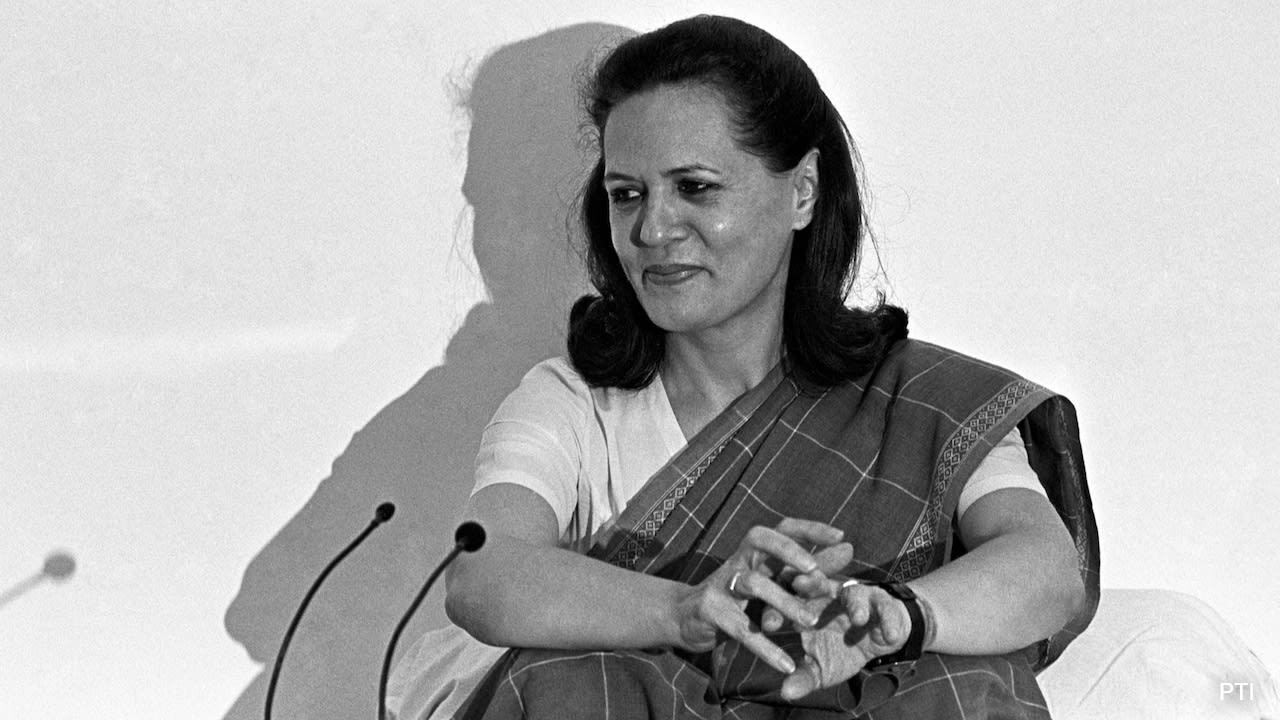
Sonia Gandhi’s memoir, 'Belonging: A Journey of Love,' has sparked a political firestorm with the BJP accusing her of distorting history. The book also offers personal reflections on her family's struggles, including the 1977 electoral defeat and her private battle with cancer.
The Memoir Discourse: A Political and Personal Examination
The Intersection of Narrative and Political Critique
The recent release of Sonia Gandhi’s memoir, Belonging: A Journey of Love, has ignited a significant debate within the Indian political sphere. The Bharatiya Janata Party (BJP) has leveled sharp criticism against the text, characterizing it as a calculated attempt to curate a specific historical narrative. According to BJP spokesperson Pradeep Bhandari, the memoir is fundamentally driven by 'vote-bank politics,' specifically citing the party's concerns regarding the treatment of the Babri Masjid issue. By framing the book as an instrument for political maneuvering, the BJP has signaled that the memoir will serve as a new front in the ongoing ideological battle between the two major national parties.
Addressing Historical Controversies
A core pillar of the BJP’s critique involves the perceived omission or misrepresentation of pivotal historical events. The party has explicitly called out the memoir for its alleged silence on the Bofors scandal and its justification of the 1975-77 Emergency. Furthermore, the BJP contends that the book’s account of the 1984 anti-Sikh riots is contrary to established historical facts. These accusations highlight the deep-seated friction regarding the legacy of the Nehru-Gandhi family, with the BJP asserting that the memoir functions as a 'sugar-coating' of historical wrongs rather than an objective account of the era.
Humanizing the Political Dynasty
Amidst the political vitriol, the memoir provides intimate glimpses into the human side of a family that has dominated Indian politics for decades. One poignant anecdote involves Rahul Gandhi’s seventh birthday in 1977, occurring shortly after Indira Gandhi’s electoral defeat. Sonia Gandhi describes a somber atmosphere where friends avoided the celebration, offering a stark lesson on the transactional nature of political alliances. This narrative shift serves to humanize the family, illustrating how national electoral outcomes often permeate the private lives of political figures.
Personal Resilience and Health Struggles
Beyond the political discourse, the memoir documents Sonia Gandhi’s private battle with health. She provides a candid account of her cancer diagnoses, specifically noting the surgery for breast cancer in 2010. By describing the vulnerability she felt while being wheeled into the operation theatre, with her children Priyanka and Rahul by her side, she invites the reader into her personal sphere. She attributes these health challenges partly to the chronic stress associated with her long-standing involvement in high-stakes politics.
Broader Implications and Future Trends
The dichotomy between the book's personal revelations and the sharp political backlash suggests that the memoir will remain a subject of contention. As political parties continue to weaponize historical narratives, the publication of such memoirs becomes more than just a literary event; it becomes a catalyst for re-litigating the past. Moving forward, we can expect the BJP to continue scrutinizing the claims made in this book, while supporters of the Congress party will likely frame it as a necessary reclamation of the family's legacy. This cycle of critique and defense underscores the polarized nature of contemporary Indian political discourse.
Multiple Citing Sources
Verification Required?