"This Is Not a Political Book": Sonia Gandhi Explains Why She Wrote Her Memoir
Source Entity
NDTV News Search Records Found 1000
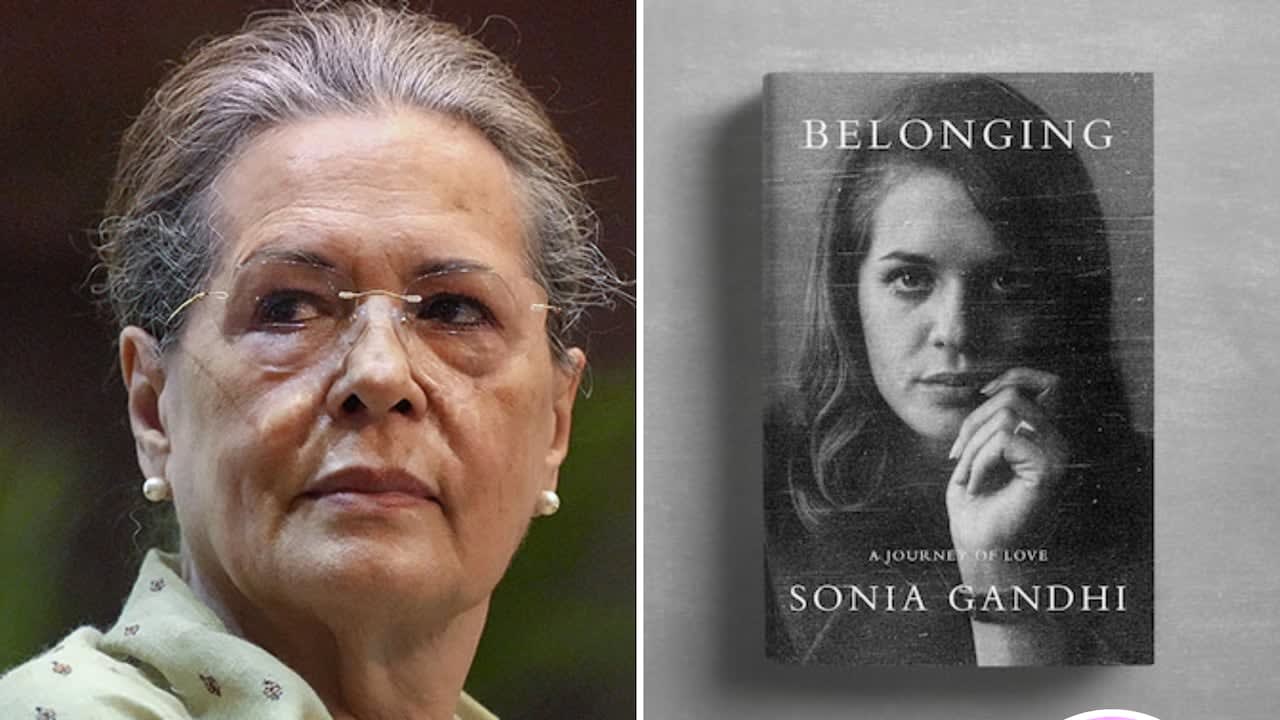
Sonia Gandhi has clarified that her new memoir focuses on personal tragedies rather than political discourse. The book aims to provide a private perspective on the significant challenges faced by the Gandhi family.
A Personal Perspective on Private Tragedy
Sonia Gandhi, a figure central to Indian political history for decades, has recently navigated public discourse regarding her latest literary endeavor. By explicitly stating that her memoir is "not a political book," she seeks to shift the focus from the partisan debates that have defined her public career toward the internal experiences of her family. This distinction is significant, as it suggests an intent to humanize a narrative often viewed through the lens of electoral victory and legislative action.
Navigating the Weight of Legacy
The core of the memoir revolves around the major tragedies that have indelibly impacted the Gandhi family. For generations, the family has been at the epicenter of India’s post-independence political landscape, a position that has often come at a profound personal cost. By framing these events as the central theme of her writing, Gandhi invites the reader to look past the public facade and acknowledge the private grief and resilience required to survive the loss of prominent political figures.
The Intersection of Public and Private Life
While the memoir distances itself from overt political analysis, the nature of the Gandhi family’s life makes the separation of the personal from the political inherently complex. Historical context dictates that tragedies within this family are rarely isolated from the national consciousness. By choosing to highlight these moments, the author is likely addressing the public's curiosity regarding her internal process while maintaining boundaries around her political legacy.
Historical Impact and Narrative Agency
Throughout Indian political history, the Gandhi family has been the subject of countless biographies and scholarly analyses. In writing this memoir, Sonia Gandhi exerts agency over her own narrative, effectively reclaiming the story of these tragedies from external observers and historians. This act of authorship serves as a definitive record, providing a firsthand account that challenges or supplements the existing public record of these tumultuous events.
Future Trends in Political Memoirs
This release reflects a growing trend among long-standing political figures to publish memoirs that prioritize emotional and human experiences over policy retrospectives. As the public appetite for authenticity grows, leaders are increasingly using literature to bridge the gap between their public roles and private realities. This book serves as a case study in how high-profile figures can utilize the memoir format to recalibrate their public image.
Conclusion: A Humanized Record
Ultimately, Sonia Gandhi’s memoir represents a shift toward transparency regarding the personal toll of public service. By focusing on the tragedies that shaped her family, she provides a necessary human dimension to a story that has long been treated as a matter of national record. Whether or not it avoids political classification, the work stands as a significant contribution to the personal history of one of India’s most influential families.
Verification Required?