South Korea visa services expand in India, with 6 VFS Global centres across South Asia
Source Entity
The Indian Express
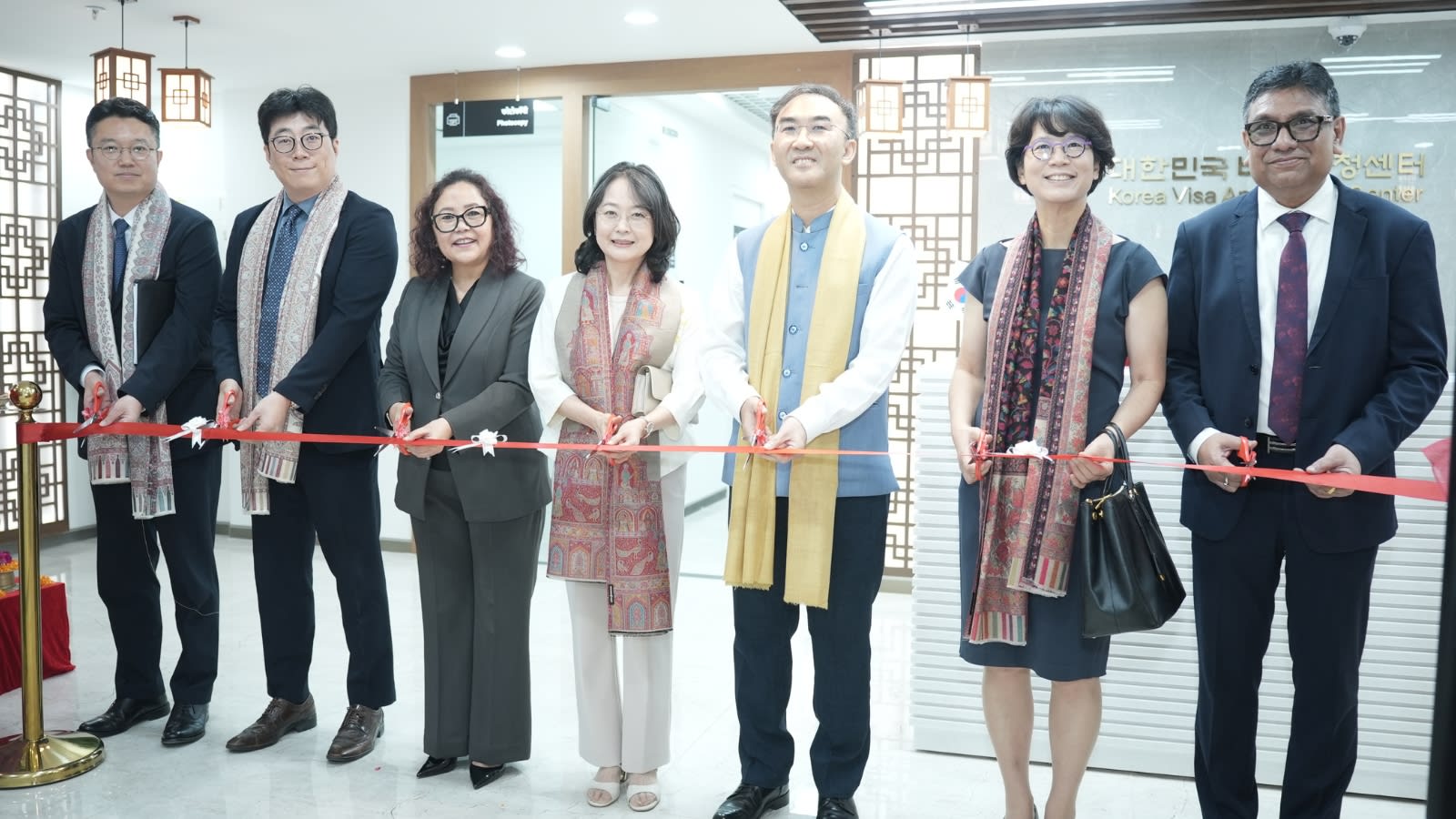
South Korea has expanded its visa processing infrastructure in South Asia through a strategic partnership with VFS Global. This initiative establishes six new application centres across India, Bangladesh, and Sri Lanka to streamline travel documentation.
Strengthening South Asian Connectivity: The Expansion of South Korean Visa Services
South Korea has officially broadened its diplomatic and logistical footprint in South Asia by expanding its visa application infrastructure. Through a strategic partnership with VFS Global, the South Korean government has inaugurated six dedicated Korea Visa Application Centres across the region. This development represents a significant step in facilitating smoother cross-border movement between South Korea and key South Asian nations, including India, Bangladesh, and Sri Lanka.
Strategic Infrastructure Development
The expansion focuses on accessibility and administrative efficiency. In India, VFS Global now operates facilities in major metropolitan hubs, including New Delhi, Bengaluru, Chennai, and Kolkata. By decentralizing these services, the South Korean embassy aims to reduce the geographical burden on applicants, allowing for a more streamlined submission process that bypasses the need for centralized embassy visits. The inclusion of additional centers in Dhaka, Bangladesh, further underscores the commitment to capturing the growing demand for South Korean travel in the region.
Diplomatic Presence and Oversight
The inauguration of these centers was marked by a significant diplomatic gathering, featuring high-ranking officials including Lee Seong-ho, Ambassador of South Korea to India, alongside various embassy counsellors and ministers. This high-level participation signals that visa facilitation is a priority for South Korea’s diplomatic agenda. The coordination between VFS Global leadership—such as COO Yummi Talwar and Regional Head Santanu Bhattacharya—and the South Korean Embassy ensures that these centers adhere to strict security and operational standards required for international travel.
Broader Implications for Regional Exchange
The expansion of these visa centers is not merely an administrative update; it serves as a catalyst for deeper bilateral ties. As South Korea continues to be a global leader in technology, culture, and manufacturing, the demand for travel from South Asia for business, education, and tourism has seen a steady rise. By simplifying the entry process, South Korea is positioning itself to better integrate with the burgeoning professional and academic sectors in India and neighboring countries.
Future Trends in Visa Facilitation
Looking ahead, this partnership suggests a shift toward the privatization and optimization of consular services. As the volume of international travel increases, governments are increasingly relying on specialized service providers like VFS Global to manage the front-end of the visa lifecycle. This model allows embassies to focus on high-level security screenings and adjudication while providing applicants with a more modern, efficient, and user-friendly experience. We can expect similar expansions in other high-growth markets as international mobility continues to recover and expand globally.
Conclusion
In summary, the opening of these six new VFS Global centers is a proactive measure to support the growing demand for travel to South Korea. By leveraging professional outsourcing, the South Korean government has successfully reduced barriers for citizens in India, Bangladesh, and Sri Lanka, fostering stronger economic and cultural ties. This initiative stands as a testament to the evolving nature of international diplomacy in the 21st century, where logistical efficiency is as critical as diplomatic policy.