How overleveraged retail debt crippled South Korea’s soaring stock market as AI fears deepen
Source Entity
Akash Mandal
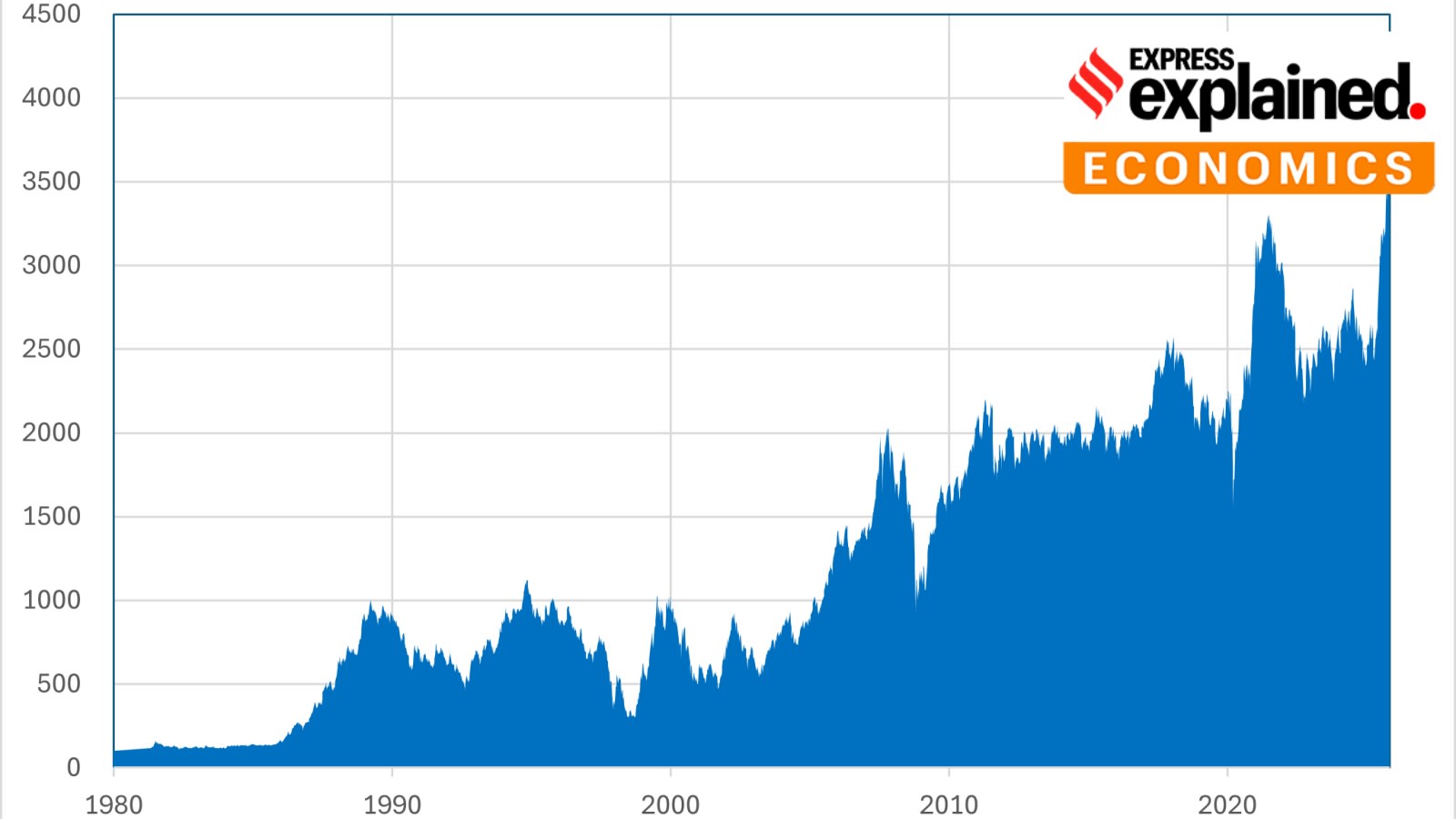
The South Korean market, once the best performer so far this year among equity markets, crashed 9% again on Monday and is down 27% over the past three weeks as panic regarding the AI rally being overs...
The Anatomy of a Market Collapse: South Korea's Equity Crisis
South Korea's stock market, which previously stood as a beacon of growth and one of the strongest performers of the year, has entered a period of violent volatility. The recent 9% crash on a single Monday, contributing to a staggering 27% decline over a three-week window, highlights a precarious intersection of speculative fervor and structural fragility. This downturn is not merely a correction but a systemic reaction to the popping of a localized bubble, driven by the twin pressures of artificial intelligence (AI) skepticism and unsustainable retail borrowing.
The Peril of Overleveraged Retail Debt
A critical catalyst in this crash is the prevalence of overleveraged retail debt. In South Korea, a significant portion of individual investors utilize margin loans—borrowing funds to amplify their buying power. While this strategy accelerates gains during a bull market, it creates a dangerous feedback loop during a downturn. As stock prices began to slide, these investors likely hit their maintenance margin requirements, triggering automatic margin calls. This forces the immediate sale of assets to repay loans, which in turn pushes prices lower, triggering further margin calls for other investors. This 'forced liquidation spiral' explains why the market decline has been so precipitous and aggressive.
The AI Rally and the 'Bubble' Narrative
The psychological driver of this sell-off is the deepening fear that the AI rally has peaked. South Korea's economy and equity markets are heavily weighted toward technology and semiconductor giants that provide the hardware essential for AI infrastructure. For months, these stocks soared on the promise of an AI revolution. However, as investors begin to question whether the actual revenue generated by AI applications justifies the astronomical valuations of the hardware providers, panic has set in. The shift from 'fear of missing out' (FOMO) to 'fear of being left holding the bag' has turned the market's greatest strength—its AI exposure—into its primary vulnerability.
Broader Economic Implications
This market instability carries implications far beyond the trading floor. South Korea already struggles with high levels of household debt, and a stock market crash of this magnitude erodes the wealth of the middle class, potentially dampening domestic consumption. Furthermore, the volatility signals a lack of confidence in the sustainability of the current tech-led growth model. If the market cannot stabilize, it may lead to a tighter credit environment as lenders become wary of margin lending, further restricting liquidity in the financial system.
Predicting Future Trends and Recovery
Looking forward, the trajectory of the South Korean market will likely depend on two factors: the stabilization of AI valuations globally and the government's response to retail debt distress. We can expect a period of consolidation where only companies with tangible AI earnings will survive the purge of speculative assets. Regulatory bodies may introduce stricter limits on retail leverage to prevent future systemic shocks. In the long term, if the AI transition proves to be a fundamental shift in productivity rather than a transient bubble, the market may recover, but the path will be marked by extreme volatility as the 'leverage hangover' persists.
Summary of the Crisis
In summary, the South Korean market crash is a cautionary tale of how excessive leverage can transform a healthy rally into a catastrophic collapse. The convergence of retail panic and the cooling of AI euphoria has created a perfect storm. Until the market clears out the overleveraged positions and finds a realistic valuation floor for AI-related equities, the risk of further instability remains high.