Cross-voting to 2027 polls: Why Akhilesh dropped plan to put up third RS candidate
Source Entity
Maulshree Seth
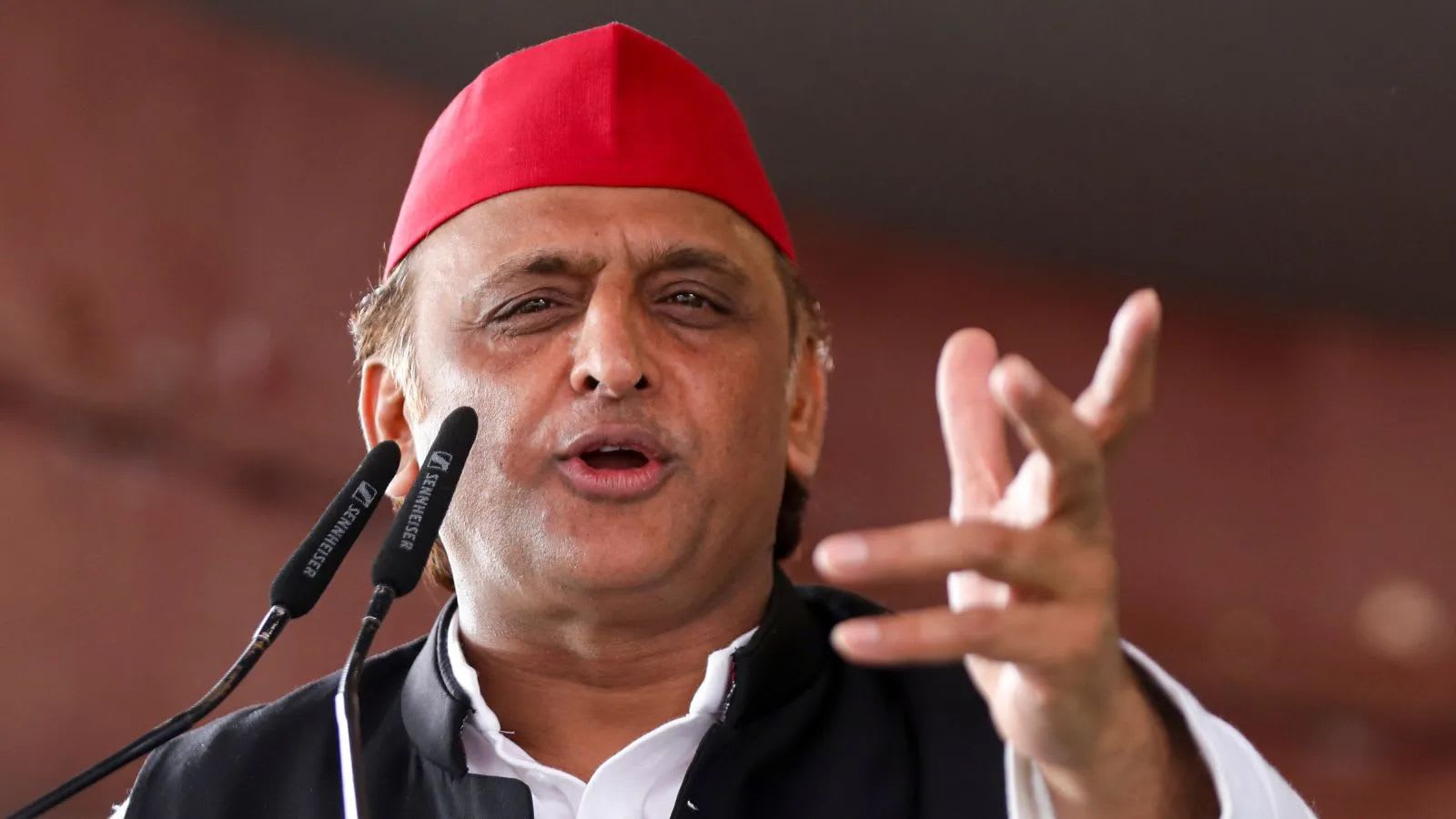
The Samajwadi Party has decided against fielding a third candidate for the upcoming Rajya Sabha elections in Uttar Pradesh, ensuring an unopposed victory for all candidates. This move allows the BJP to secure eight seats while the SP secures two, avoiding a contested election ahead of state assembly polls.
Strategic Realignment in Uttar Pradesh Rajya Sabha Polls
A Shift in Tactical Approach
The decision by the Samajwadi Party (SP) to abstain from fielding a third candidate for the October 16 Rajya Sabha elections marks a significant tactical pivot for party president Akhilesh Yadav. After initial indications that the party might challenge the ruling Bharatiya Janata Party (BJP) for an additional seat, the SP ultimately opted for a more cautious path. By limiting its participation to two candidates—party veteran Ram Gopal Yadav and Reliance Industries executive Dhanraj Parimal Nathwani—the SP has effectively paved the way for an uncontested election, ensuring all 10 seats from Uttar Pradesh are filled without a vote.
The Arithmetic of Power
The core challenge for the SP was the mathematical hurdle of securing enough cross-party support to win a third seat. In the complex landscape of the Uttar Pradesh Legislative Assembly, the BJP holds a commanding position, which was visually reinforced on the final day of nominations as Chief Minister Yogi Adityanath, alongside his deputies and party leadership, accompanied their eight nominees to the Vidhan Bhawan. The SP’s realization that the required numbers to force a contest were not viable likely drove the last-minute decision to avoid a public defeat that could have signaled internal fragmentation.
Implications for the 2027 Assembly Elections
With the state Assembly elections looming just over four months away, the political environment in Uttar Pradesh is increasingly high-stakes. The SP’s decision to bypass a third candidate appears to be a calculated move to conserve political capital and avoid the risks associated with potential cross-voting. By opting out, the party avoids a scenario where a failed attempt to win an extra seat could expose internal rifts or a lack of cohesion among its ranks, which would be detrimental to its broader electoral strategy for 2027.
The BJP’s Organizational Display
Conversely, the BJP utilized the nomination process as a profound demonstration of its organizational strength. The presence of the entire state leadership during the filing of papers for their eight candidates served as a message of unity and dominance. By securing these seats without a contest, the BJP maintains a steady trajectory in the Upper House, reinforcing its legislative influence in the state and signaling a stable and unified front as it prepares for the upcoming assembly cycle.
Future Trends in UP Politics
This development highlights the evolving nature of political competition in India's most populous state. The move away from a contested Rajya Sabha election suggests that parties are increasingly prioritizing long-term electoral stability over short-term symbolic victories. For Akhilesh Yadav, the focus now shifts toward consolidating the party's base and refining its platform for the 2027 polls. The coming months will likely see both parties intensifying their grassroots outreach, as the focus moves from the halls of the Vidhan Sabha to the wider electorate of Uttar Pradesh.
Conclusion
The decision to forgo a third candidate is a pragmatic acceptance of current legislative realities. While it avoids the immediate friction of a contested election, it underscores the intense preparation currently underway for the 2027 Assembly elections. The outcome ensures that the legislative composition remains predictable, allowing both major parties to pivot their resources toward the more critical electoral battles that lie ahead.