Opinion: Opinion | Uttar Pradesh's New Political Grammar: The Calculus of Caste vs Rule Of Law
Source Entity
NDTV News Search Records Found 1000
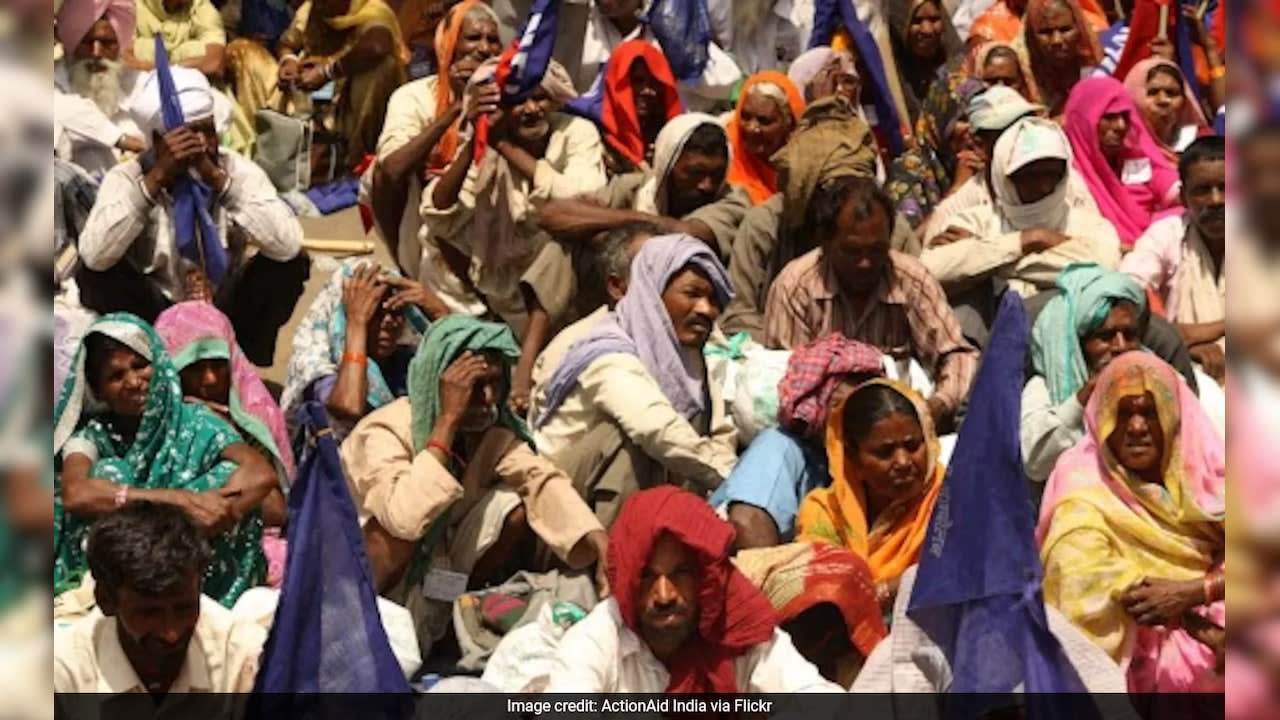
The political landscape of Uttar Pradesh is currently defined by a complex interplay between traditional caste-based power structures and the evolving enforcement of the rule of law. This analysis explores how state governance is navigating these competing forces to shape future electoral and administrative outcomes.
The Evolving Political Landscape of Uttar Pradesh
Uttar Pradesh, India's most populous state, has long been a bellwether for national political trends, defined historically by rigid caste-based mobilization. The current political discourse in the state reflects a transformative shift where the traditional 'calculus of caste'—a system where electoral success was primarily predicated on consolidating specific demographic blocks—is increasingly colliding with a renewed emphasis on the 'rule of law.' This tension marks a significant departure from the identity-driven politics that characterized the state for decades.
The Historical Dominance of Caste Politics
For years, the political grammar of Uttar Pradesh was synonymous with caste arithmetic. Political parties meticulously curated alliances based on sub-regional and community identities, often prioritizing patronage networks over administrative reform. This historical reliance on caste as the primary vehicle for power distribution created a governance model where state resources were often dispensed through the lens of community loyalty, frequently at the expense of standardized legal frameworks and institutional transparency.
The Shift Toward Rule of Law
In recent years, the state's governance narrative has shifted toward a more assertive administrative style that emphasizes the rule of law. This approach seeks to replace the discretionary power often inherent in caste-based patronage with centralized legal enforcement. Proponents argue that this transition is essential for fostering a more equitable society, while critics often question whether such enforcement is applied uniformly or if it inadvertently creates new forms of political exclusion that mirror old power imbalances.
Navigating Competing Mandates
The core challenge currently facing Uttar Pradesh is the reconciliation of these two distinct mandates. While the rule of law aims to provide a neutral framework for justice and development, the deep-seated nature of caste consciousness means that every administrative action is still interpreted through the filter of identity. Consequently, the state government must navigate a delicate path where maintaining order does not alienate the very social coalitions necessary for political stability.
Future Implications and Trends
Looking ahead, the success of this political shift will likely depend on the institutionalization of governance. If the emphasis on the rule of law can transition from a reactive policy tool to a proactive, transparent administrative culture, it could fundamentally reshape the state's development trajectory. However, if the intersection of caste and law remains a source of polarization, the state may continue to see cyclical political volatility as different factions vie for control over the mechanisms of justice.
Conclusion
The ongoing evolution of Uttar Pradesh's political grammar suggests that while the state is attempting to move beyond the constraints of traditional caste politics, the integration of the rule of law is an ongoing and complex process. The future of the region will likely be defined by whether the administration can effectively decouple legal governance from the historical weight of identity politics, ensuring that the rule of law serves all citizens equally.
Verification Required?