SP-RLD row over chavanni flips open caste fault lines ahead of U.P. poll
Source Entity
India Latest News: Top National Headlines Today & Breaking News | The Hindu
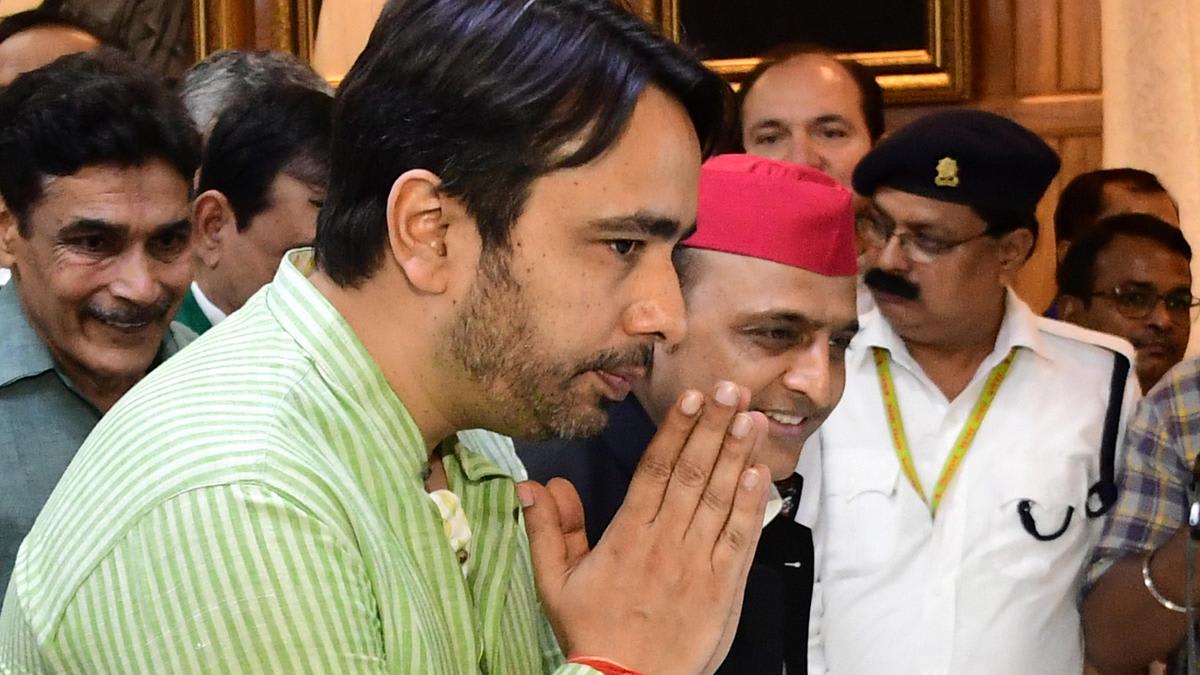
A public war of words between SP chief Akhilesh Yadav and RLD leader Jayant Chaudhary has highlighted shifting political loyalties in western Uttar Pradesh. The dispute, centered on the symbolic 'chavanni' metaphor, underscores the complex caste dynamics and electoral strategies defining the region ahead of state polls.
The 'Chavanni' Controversy: Decoding Political Fractures in U.P.
The political landscape of western Uttar Pradesh is currently defined by a volatile exchange between Samajwadi Party (SP) chief Akhilesh Yadav and Rashtriya Lok Dal (RLD) president Jayant Chaudhary. At the heart of this confrontation is the symbolic use of the chavanni—a 25-paise coin that has long been obsolete but now serves as a potent metaphor for political worth, loyalty, and betrayal in the lead-up to the state elections.
Origins of the Metaphorical War
The tension traces back to the 2022 assembly elections, a pivotal moment when Jayant Chaudhary famously asserted, "I am not a chavanni that will flip," in response to overtures from the Bharatiya Janata Party (BJP). This statement was intended to solidify his image as a leader of conviction, particularly among his core support base in western U.P. However, the political reality shifted significantly when Mr. Chaudhary eventually joined the BJP-led National Democratic Alliance (NDA), prompting a stinging rebuke from his former ally, Akhilesh Yadav.
The SP-RLD Fallout and Its Implications
During a recent event in Lucknow, Akhilesh Yadav escalated the rhetoric by remarking, "We turned a chavanni into a rupee, and yet they left us." This comment serves as a direct critique of the RLD’s strategic pivot, suggesting that the Samajwadi Party was instrumental in elevating Mr. Chaudhary’s political stature, only to be abandoned. This breakdown in the SP-RLD alliance is not merely a personal rift; it signifies a broader breakdown in the opposition's strategy to consolidate the non-BJP vote bank in a region where caste-based mobilization is paramount.
Caste Dynamics and Electoral Strategy
Western Uttar Pradesh is a crucible of caste-based politics, where the RLD maintains deep-rooted influence among the farming communities and specific social groups. By framing the departure of the RLD as an act of political opportunism, the Samajwadi Party is attempting to reclaim its narrative of being the primary guardian of secular and social justice interests in the region. The focus on the 'chavanni' narrative is a tactical effort to frame the RLD leadership as unreliable, aiming to sway voters who prioritize long-term ideological consistency over fluid political alignments.
The Broader Context of Shifting Alliances
The shifting loyalties in western U.P. illustrate the intense pressure exerted by the BJP’s electoral machinery. For the RLD, the move to the NDA is a strategic gamble meant to secure future electoral viability and influence policy. Conversely, for the SP, the loss of this alliance necessitates a recalibration of their outreach efforts. The 'chavanni' discourse acts as a proxy for the deeper anxieties regarding vote-bank stability and the struggle for dominance in a region where every shift in alliance can determine the outcome of the entire state election.
Conclusion: The Future of the Region's Political Discourse
As the state elections approach, the rhetoric surrounding the RLD-SP fallout will likely intensify. The focus on historical statements and symbolic slights indicates that political communication in the region remains deeply rooted in personal and collective identity. Whether this narrative of 'loyalty vs. pragmatism' will resonate with the electorate remains to be seen, but it is clear that the 'chavanni' controversy has become a defining emblem of the current political volatility in Uttar Pradesh.
Verification Required?